This is social media at work. Not the ‘far Right’ or any ideology. The practical, simple mechanism of…
This is social media at work. Not the ‘far Right’ or any ideology. The practical, simple mechanism of connecting people to each other.
This is the paradox of sociality. The more we connect, the less cohesive we become. /1
https://t.co/s5U0HPH7vP https://t.co/AfT4xo6anh
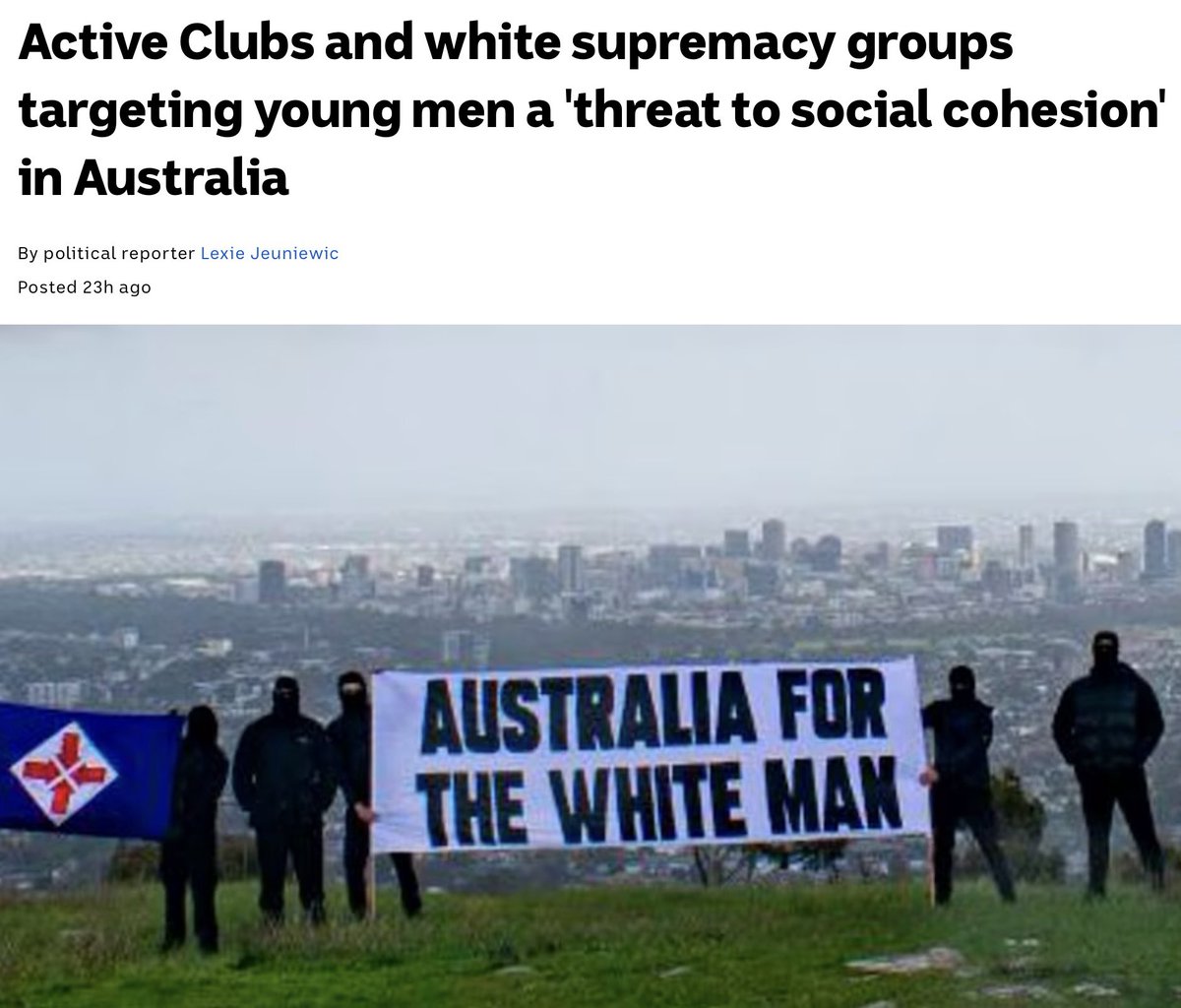
Because sociality or connection are driven not by warm cuddly togetherness. They’re driven by rivalry.
We become social to have an identity, as part of a group. A group that is then a rival to other groups. /2
I really don’t think this is difficult to see, we’ve all lived it. From school onwards, we spend our lives continuously negotiating membership of different social groupings, and being anxious about doing it.
And yet we still describe sociality as an intrinsic good. /3
That’s the paradox of society. It’s more cohesive when we connect LESS. When our connections to others aren’t social, but rather practical. ‘Administrative’.
That’s what ‘the public’ was, as an invention. Now completely confused with social groups. /4
The public is a construct created by public institutions. It’s what dreaded bureaucrats create by analysing the practical ways we coexist, as a population.
In managing health, and water, and education, and roads. That’s what makes us cohesive. /5
Continuously maintaining practical ways populations live together. Focused *entirely* on ‘keeping the lights on’ practical things, that avoid social relationships.
What populism does, our current system of government, is replace basic administration, with social life. /6
The public has now disappeared. Replaced by a proliferation of social groupings, each clamouring for supremacy, in rivalry with other social groupings.
A process astronomically accelerated by social media platforms. Connection machines. Networked madness. /7
Allowing the ‘mobilisation’ of every human depravity, because the content of what all these groups rally around is irrelevant. Anything can be fuel for the imitative rivalry that fuels the whole process. /8
This rot has spread into organisations too, where the failure to do basic work is now attributed to failures in ‘organisational culture’. Leading to workshops and other activities in helping people to be nicer to each other.
As if, again, we need more social activity. /9
But we don’t go to work to be social. Of course we do have social relationships while there, but they’re 100% irrelevant to the work.
It’s entirely possible to not like the people you work with, and still do great work together. /10
The great mobilised victories in the world wars threw everybody in together, which means by definition many who didn’t like one another.
What unified them was the WORK to be done. Not working on their social relationships. Why I say get rid of populist, electoral politics. /11
Replaced by a governance focused completely on the practical tasks societies need doing. Not routing any of it through popularity/sociality of any kind.
Elections are poison to this job. They tap into the deepest social mechanisms of humanity, our imitative rivalry. /12
Added to democracy as a way to create greater connection of the public, to governance. But all it achieved was to transform governance, into social life.
We won’t survive that. Every time it’s occurred in history, we got social collapse.
Shut social media down.
/end