Every day I come here and watch people struggling to find a ‘we’. So many pleading Tweets about horrible…
Every day I come here and watch people struggling to find a ‘we’. So many pleading Tweets about horrible things, that nothing is being done about, as a community.
That to me is the key thing to understand, if we want change.
We need to talk much more about networks. /1 https://t.co/opysxjICkd
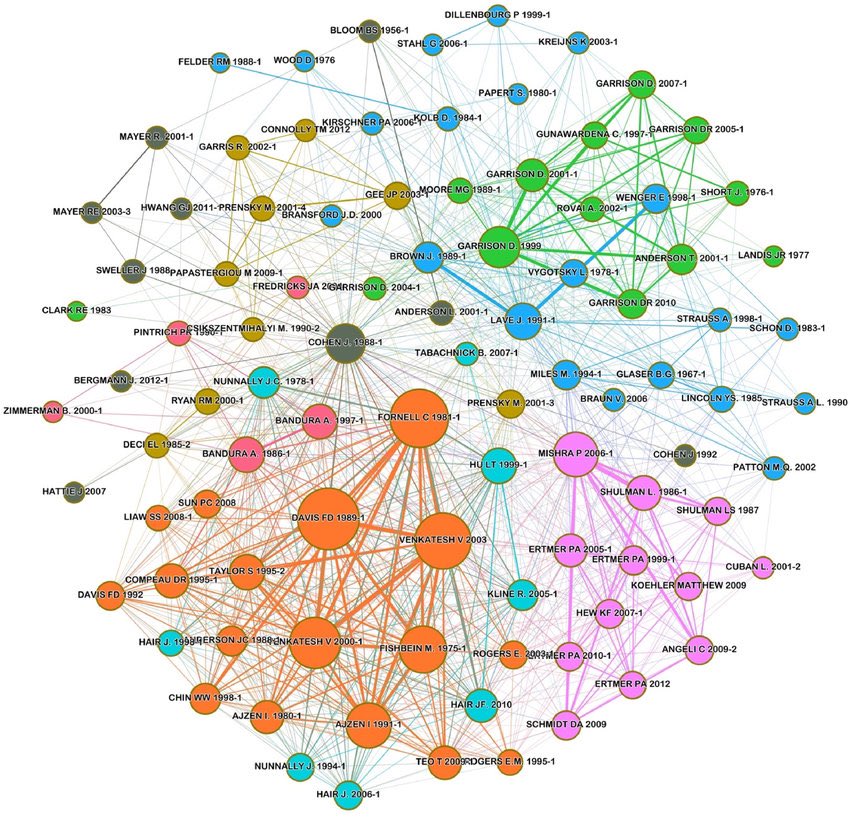
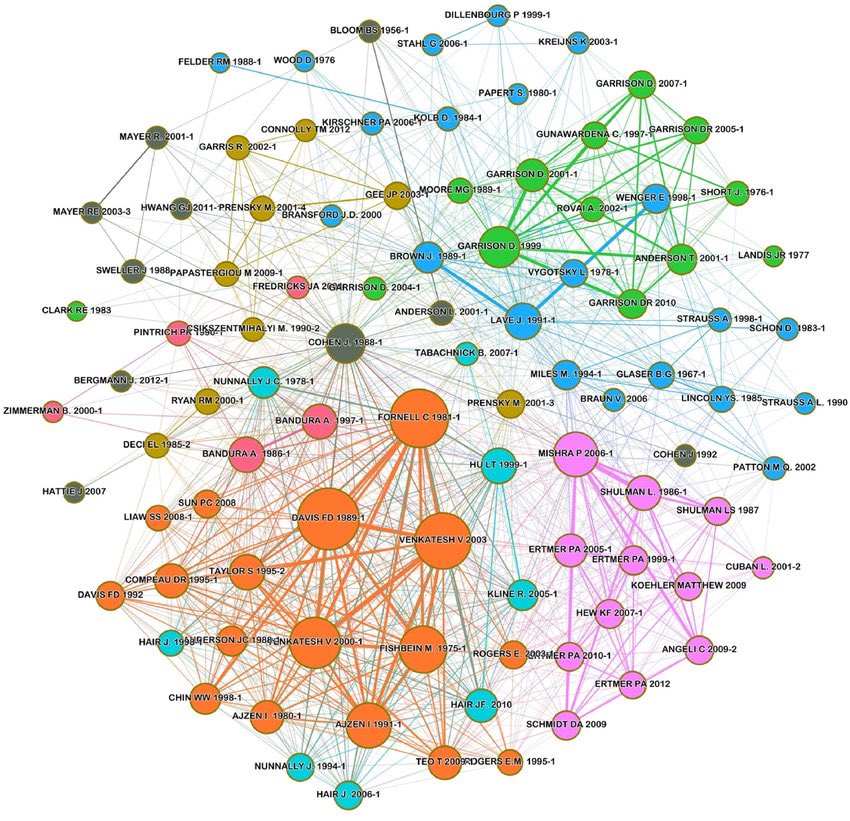
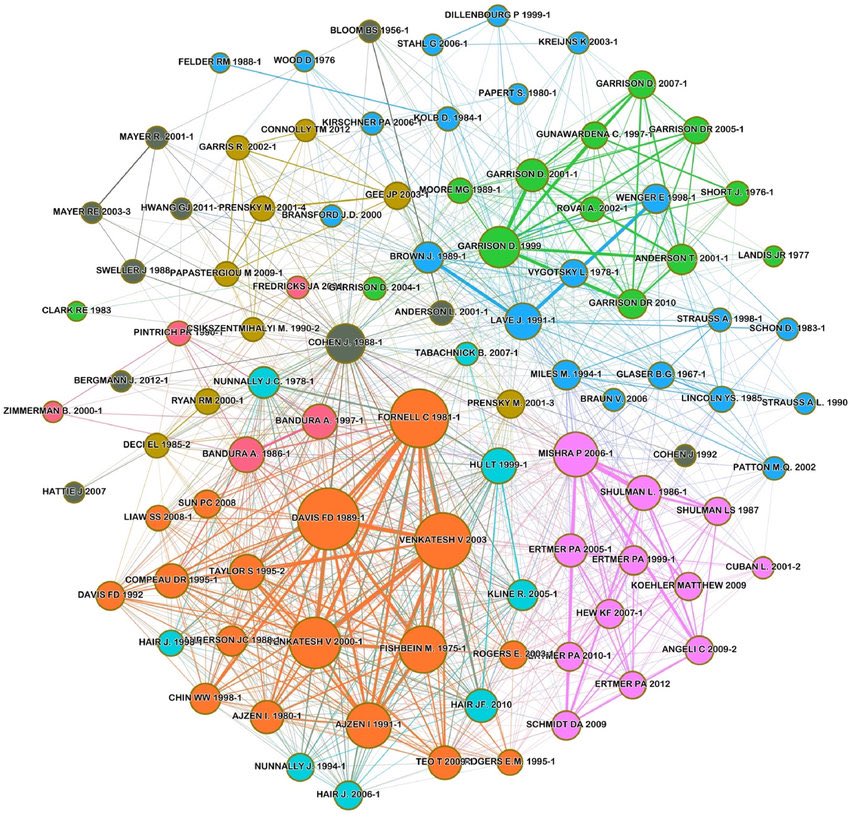
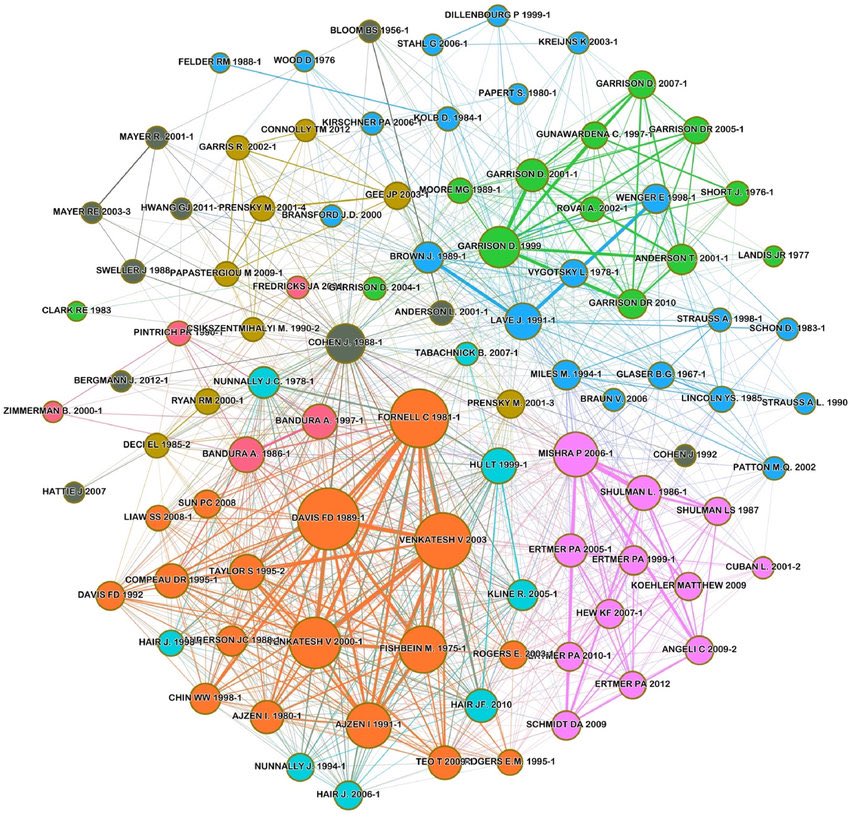
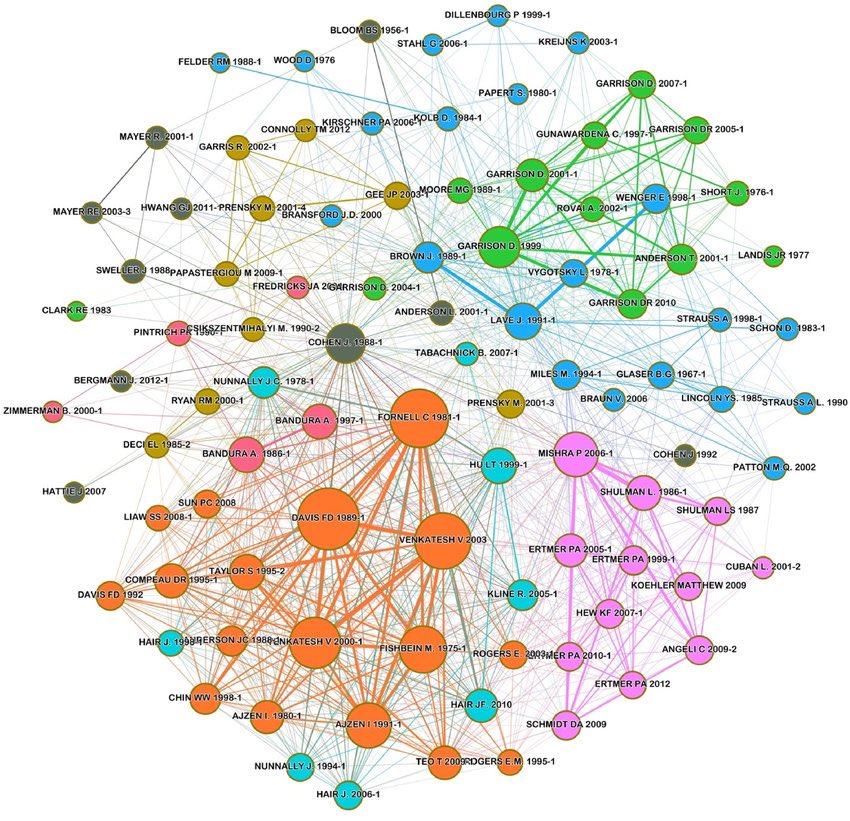
This is a co-citation network diagram, capturing relationships between areas of study, in academic literature.
The node size indicates the number of connections a node has, and the edge thickness represents the frequency of co-occurrence. /2 https://t.co/1ZwgNtTfYU
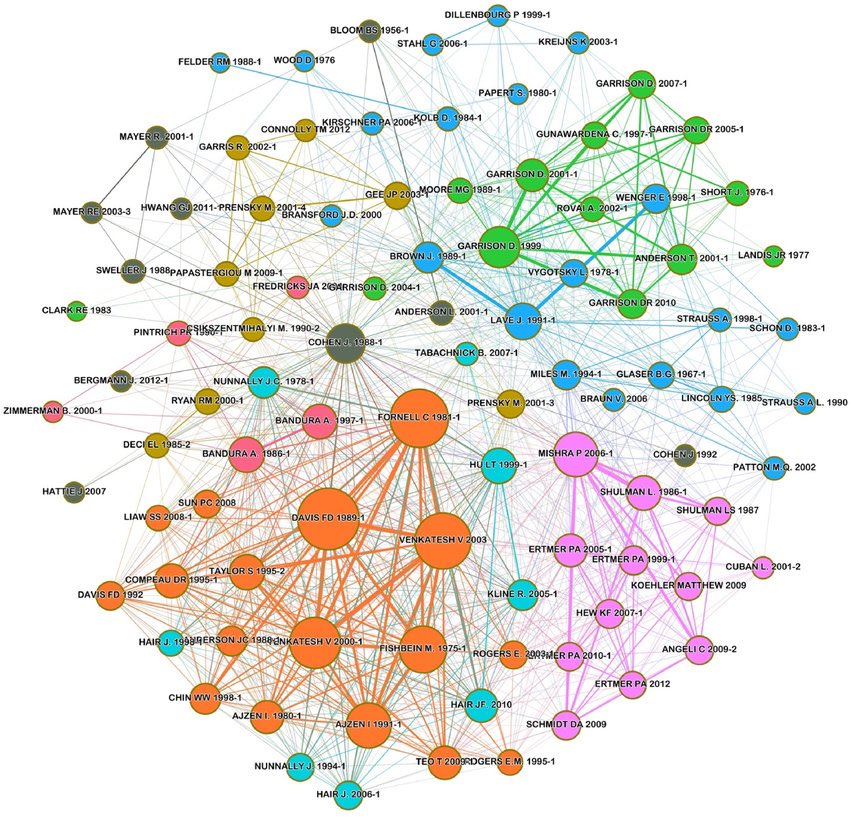
The color indicates articles belonging to the same community cluster (i.e., cited frequently together).
(Description and diagram are at: https://t.co/wSufqvOxms)/3 https://t.co/yQ82DpjIWu
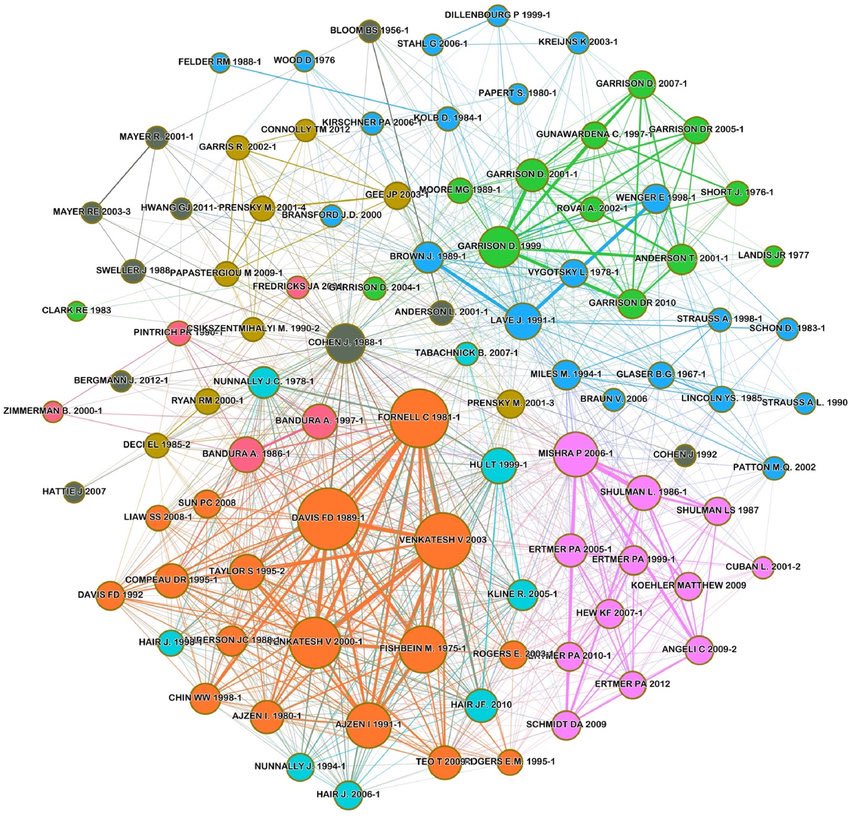
Our social world is also networked, in a similar way. But our public narratives often fail to recognise that.
The groups (or ‘teams’ as I call them, to capture the rivalry between groups that drives the process) we’re all part of are the nodes. The circles. /4 https://t.co/kA1y4HdeJz
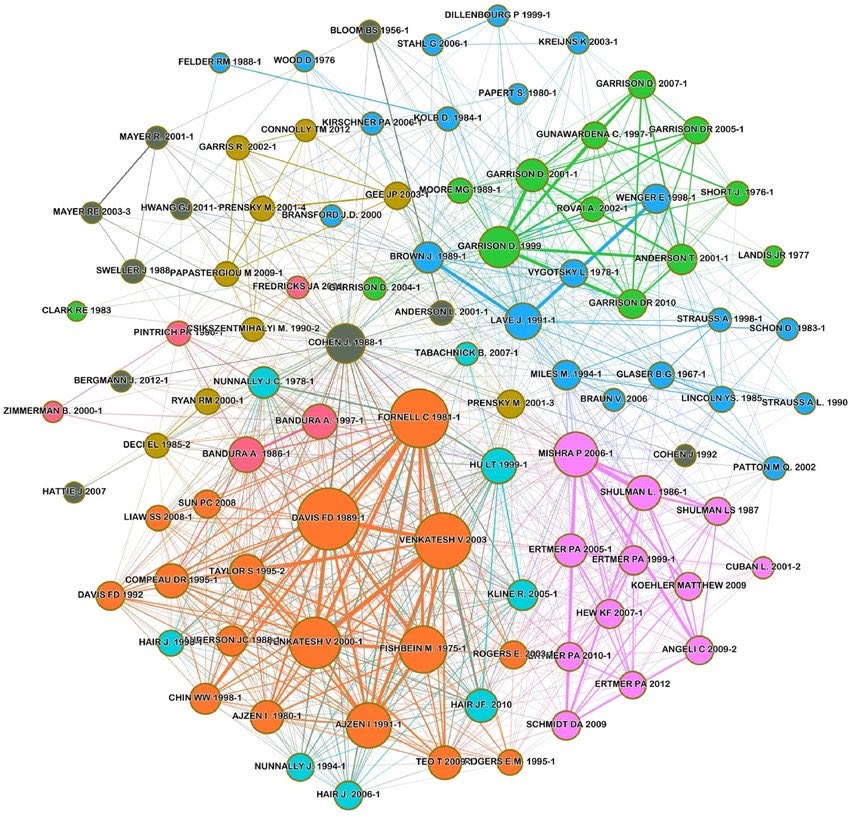
It’s critical to understand that each node is connected to multiple other nodes. And that those connections can *shift over time*.
What this means socially is that for an individual, their ‘we’ as a sense of a collective is unique. Their connections are specific to them. /5 https://t.co/iDEnyyQWim
Political strategists know this for example. They know that any voter is never, ever, truly ‘aligned’ with them.
That each of us is a shifting set of nodal allegiances. This is how ‘Howard’s battlers’ were won, for example, here in Oz. /6 https://t.co/aQkd0BjJNl
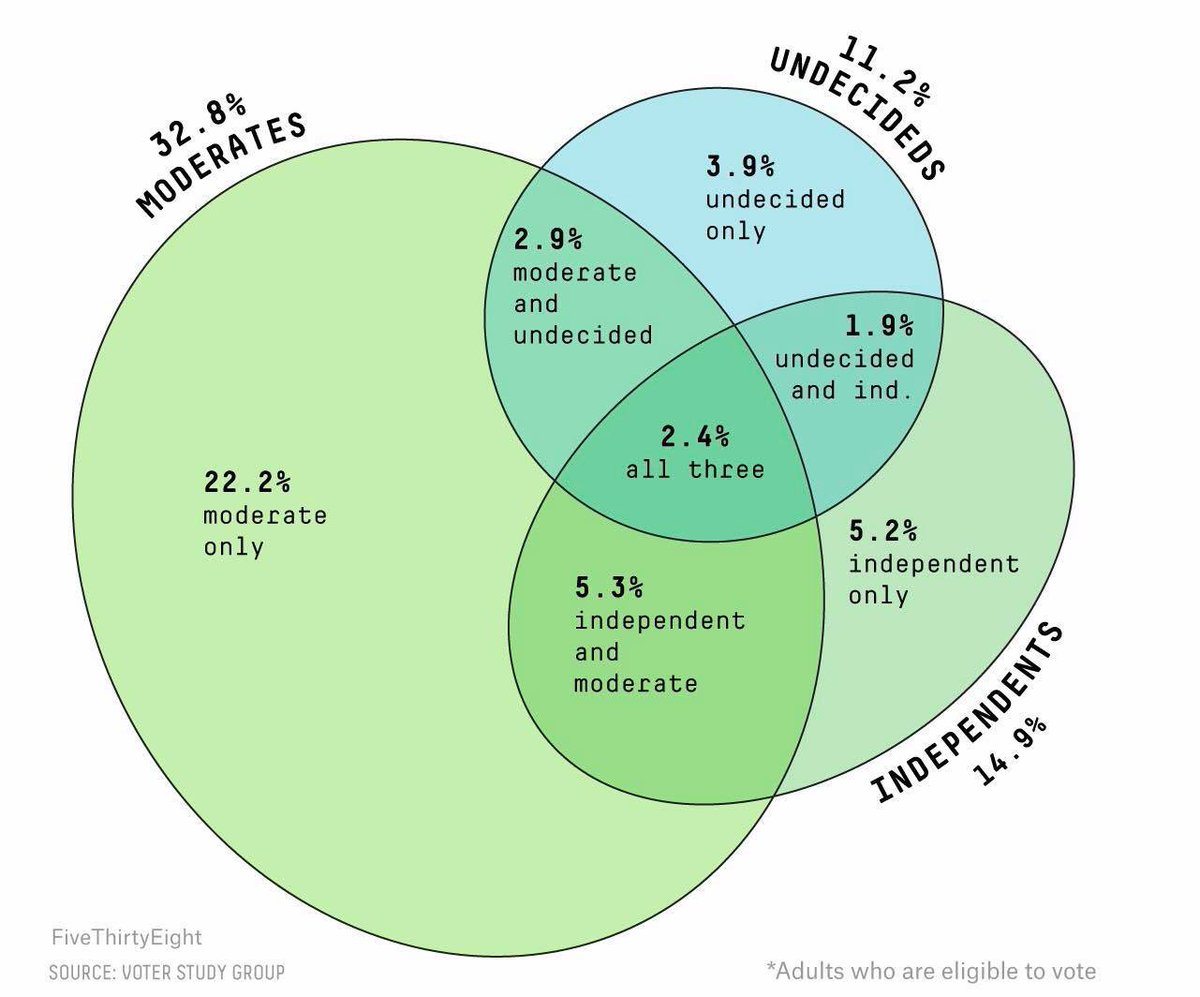
Traditional ‘blue-collar’ voters that historically voted for Left parties, who were vacuumed into the Right political machine by targeting other nodal allegiances.
Their more conservative social views on things like immigration, for example. /7
Platforms like Twitter/X are exactly the same. Each has their network of people they follow and who follow them.
Each of us is a node, with a constantly shifting set of connections. /8
Or take the current Israel-Gaza war and public debates about it.
We think we live in the world shown by the map. But we never have, we live in networks. /9 https://t.co/4LLhmb79Oq
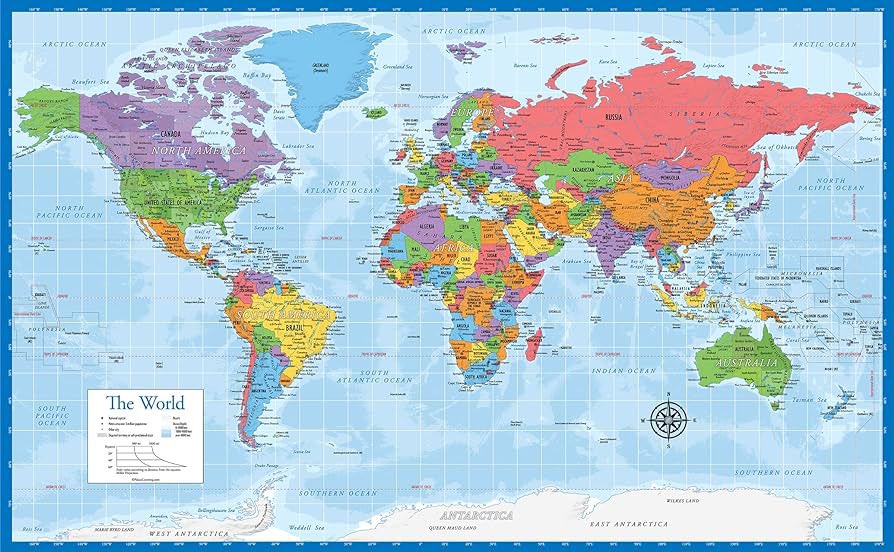
Networks have no location in the neat way a map wants us to have. The Israel-Gaza conflict is creating political ruptures across the globe/maps.
A network diagram for that conflict would ignore the maps. It would include the nodal structures of that conflict, everywhere. /10
This is the reason for our disorientation in all major public issues of the day. We’re now living networks that look like the co-citation network.
Open and fluctuating rapidly, with social media dramatically accelerating those shifting connections. /11 https://t.co/tWm70VqTsT
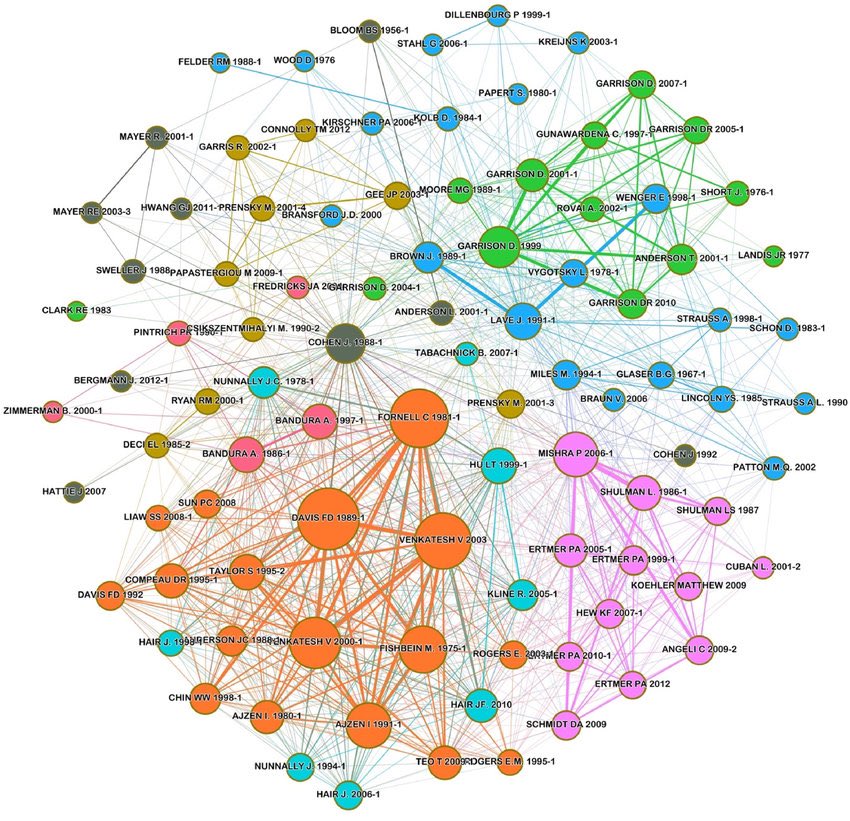
No sense of a ‘we’ that captures everybody, but rather a proliferation of teams with continuously fluctuating boundaries.
And this is difficult, because what preceded this style of social network in our history was one with a very different topology. /12 https://t.co/01zt5doMod
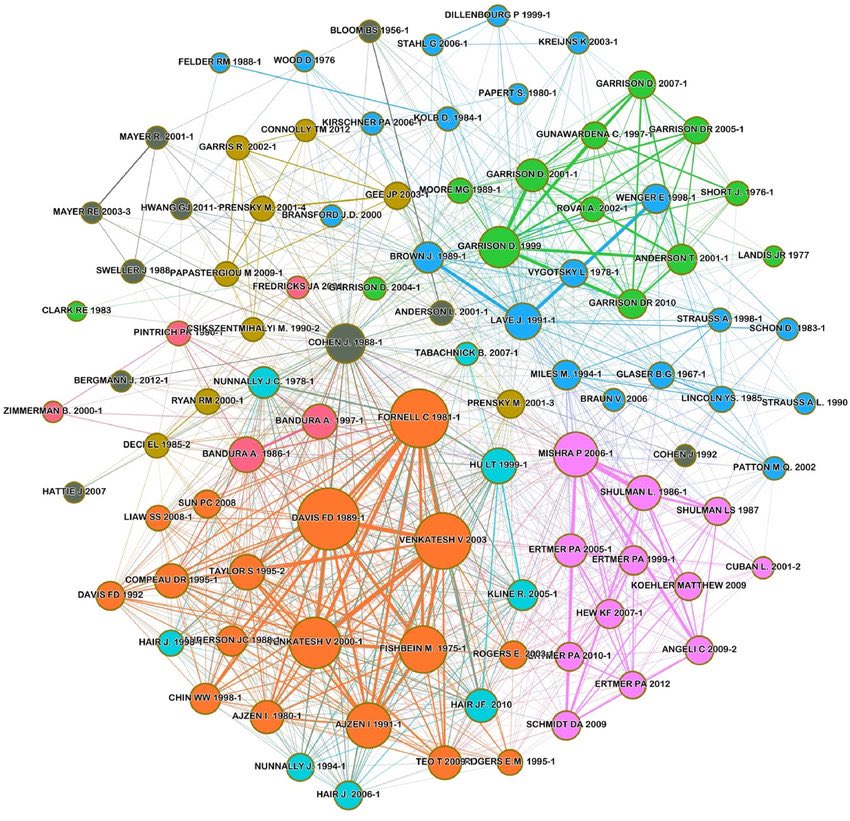
Our societies have always functioned as networks, not maps. But the topology of those networks change.
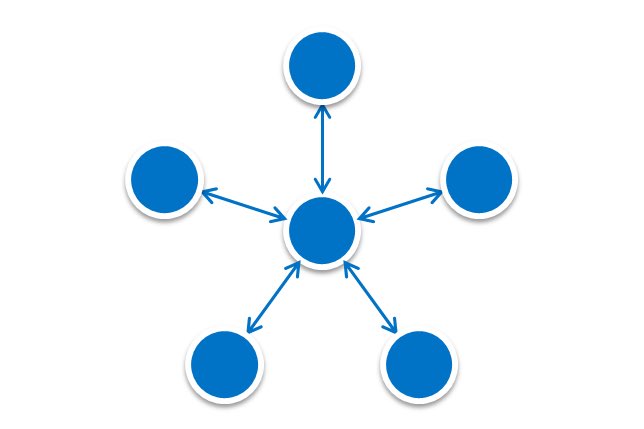
For most of us, the topology that has dominated our lifetimes has been a hub and spoke topology. A central node that dominates other nodes. /13 https://t.co/HxKgr6C25o
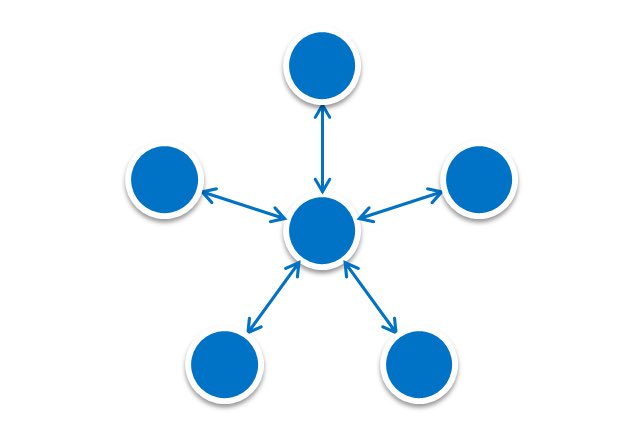
Since WW2, that central hub or node has been the State. We did that because societies were in ruins after that war, and needed emergency action.
So a centralised node (the ‘hub’) drove and coordinated activity, across most areas of life. /14 https://t.co/P5eYdohfhJ
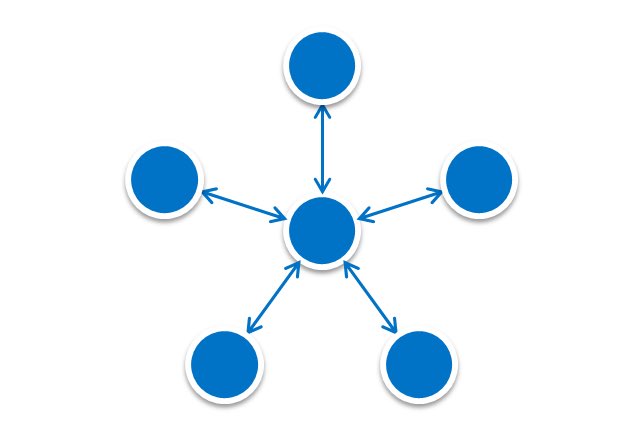
You can see the same topology in areas like transport. UK trains for example began life as a dispersed topology, like co-citation networks. But that created chaos.
So they became a hub-and-spoke topology again. A ‘nationalised’ service. /15 https://t.co/KVsgRnkmhr
Which the Tories in the UK pushed towards a dispersed model again, in our lifetimes.
Now possibly being reversed (again) back to a hub-and-spoke topology, to rectify the chaos. /16
https://t.co/Cvm8vQ1dw1
Still one of my favourite cartoons captures this merry-go-round well, at all levels of society. You may have lived it inside a business.
It’s why you should ignore zealots who pitch only one side of this cartoon to you as a solution. /17 https://t.co/0zt0vhcMyr
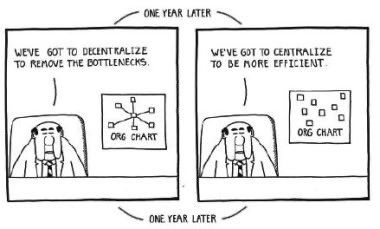
They’re not a binary. ‘Small government’ creates more open networks, but those then create vast inefficiencies and disconnection.
And that disconnection is also emotional and psychological. It’s the world we’re in right now. It’s why we can’t find a ‘we’. /18 https://t.co/bVtIgHYlIK
We’re in a period of history where our networks have fewer centralised hubs. We’re all having to constantly negotiate pretty much everything.
‘Personal responsibility’ society. Many freedoms in some ways. But also massive disconnect and inefficiency. And trauma. /19 https://t.co/Act3nPDIXy
I say a lot: society is social. Which means it’s networked, at every level. We will never understand it with maps or big containers like ‘Left’ and ‘Right’ and ‘the economy’.
All map-terms. Neat boxes. Social networks escape all of these boxes every hour of the day. /end