Easter provides more raw material to see the lumpy, networked structure we (wrongly) call a society of ‘the…
Easter provides more raw material to see the lumpy, networked structure we (wrongly) call a society of ‘the people’. If you travel in regional areas, you’ll see old churches. ‘The Church’ more broadly pioneered network structures, over centuries. These churches are hubs. /1 https://t.co/hiQQSiykDe
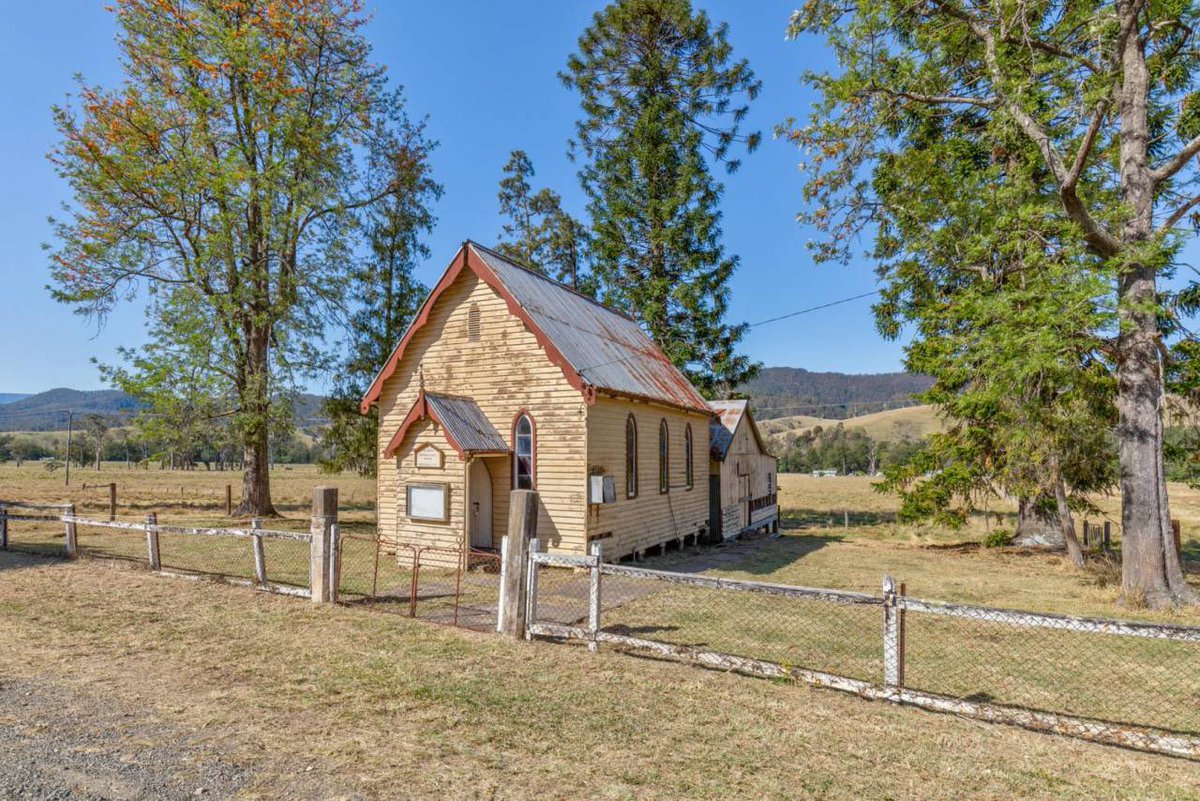
Churches were often the first thing new communities built. They became the centre of their community, a hub that gathered them all together once a week, and networked to all other churches and to HQ by the network of priests. /2 https://t.co/DYroRzCalH
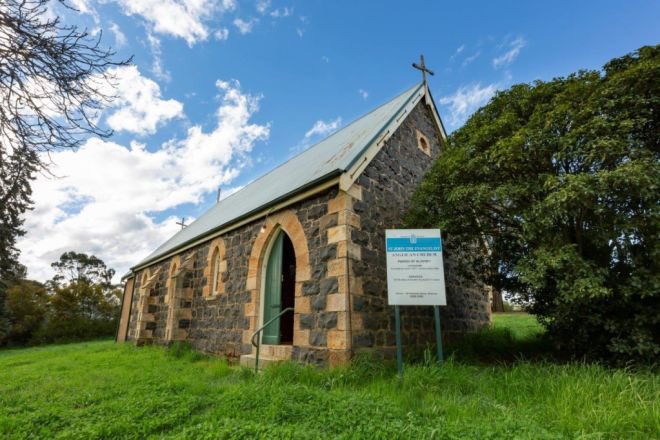
In this way, the Church more broadly was able to cover entire continents, with very few resources. It’s always the same basic model, some sort of hub where you can gather people to create that sense of connection, of a ‘community’. But linked to all other communities. /3
Via a very tiny, fragile network of priests who maintained the flow of information and directions across the network, allowing a coordination of the entire society from a small central hub. You can physically see the network structure. /4
Nearly all of the geographical area that made up these communities had no physical presence of the church at all. Just this small, often magnificent, building, where they would all gather once a week to create a feeling of community. /5
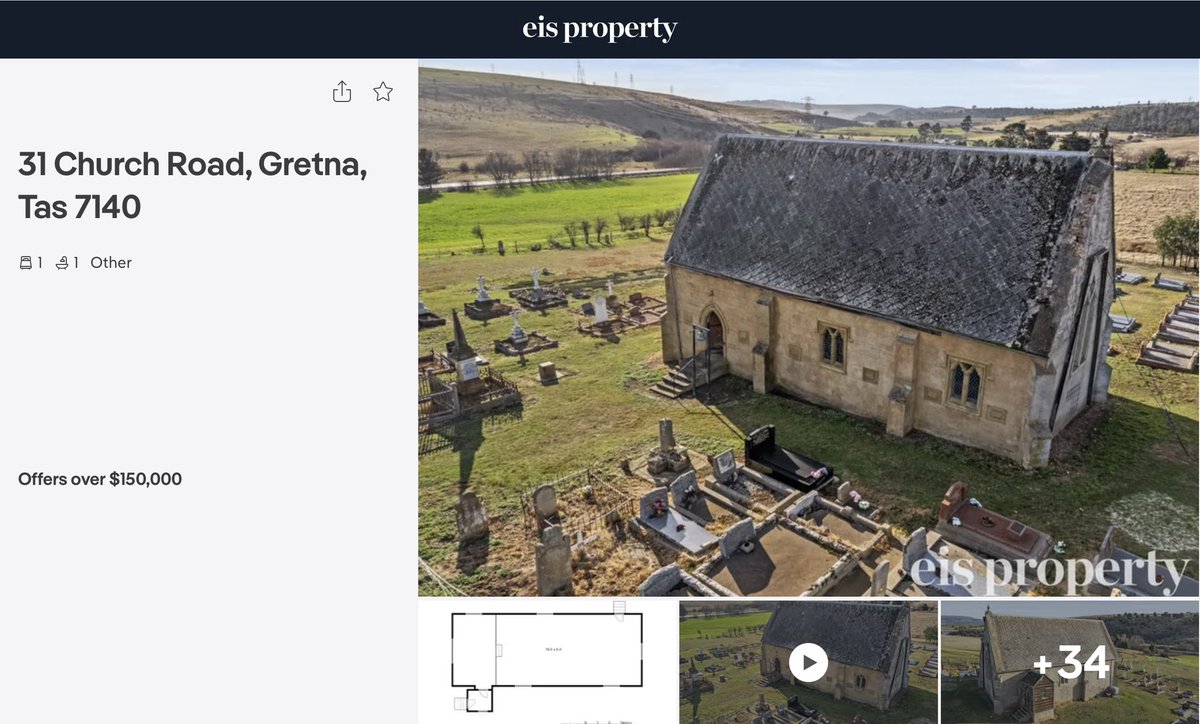
Now many or even most of these churches lay empty. Often sold to people who renovate them as boutique homes. Does that mean our societies are now less networked? Not on your nelly. /6 https://t.co/D1HPYwlt4o
Suburbia can at first glance give you a feeling like ‘the people’ is actually a thing, millions existing side-by-side. (You don’t get that feeling in the remote areas with churches, just vast open spaces with sheep and kangaroos. Only the church-hub feels like ‘the people’.) /7 https://t.co/7XHQ4wGLWs
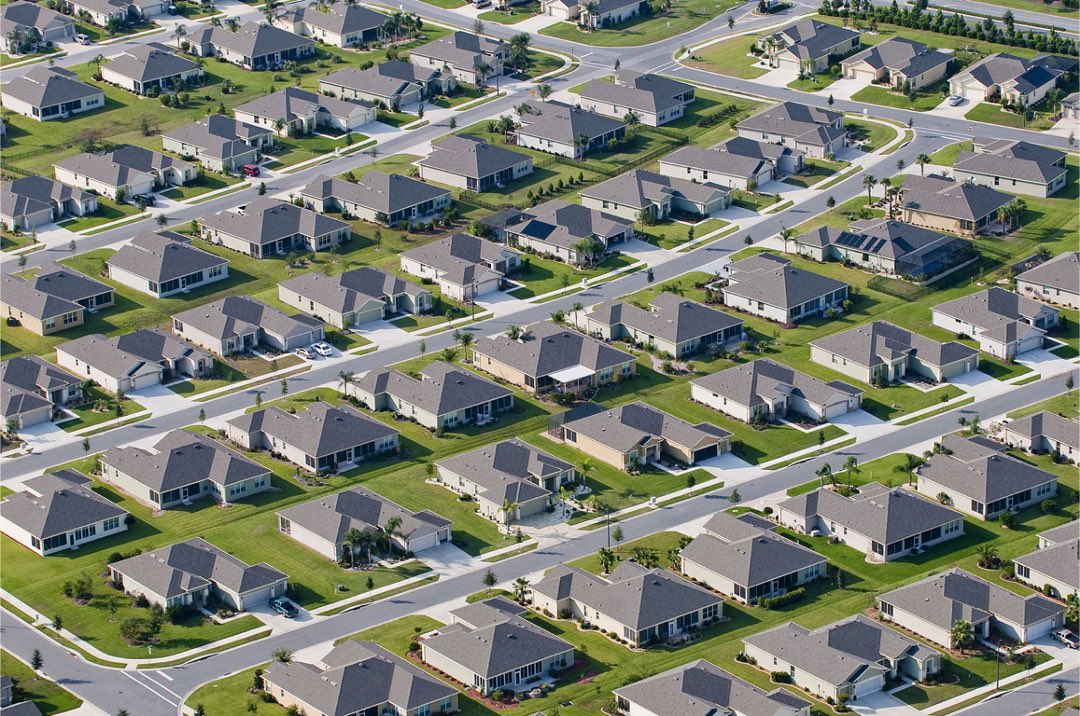
All of the people living in these rows of houses are living that same hub-and-network existence. But now the hubs are often invisible, geographically. We use communication technologies now to coordinate our social lives, to create and maintain hubs. And we use work. /8
The people who live in these homes are part of workplaces that act as hubs, they’re a Bunnings person, or a Qantas person, or a teacher in the Department of Education etc. The proximity of their homes hides that what coordinates their lives is often hubs separated by miles. /9
Thousands of miles, sometimes they work for a hub located on the other side of the world. But they live less than 2m from the person next door, who works for another hub 25 km away. And then let’s add their online hubs, the greatest shift of all. /10
The social media networks and hubs they subscribe to. What on the outside looks like a community, defined by homes, is in reality a bewildering array of networks that can mean a suburb like this shares almost nothing in common. No great community projects may happen here. /11 https://t.co/80PH5SS01u
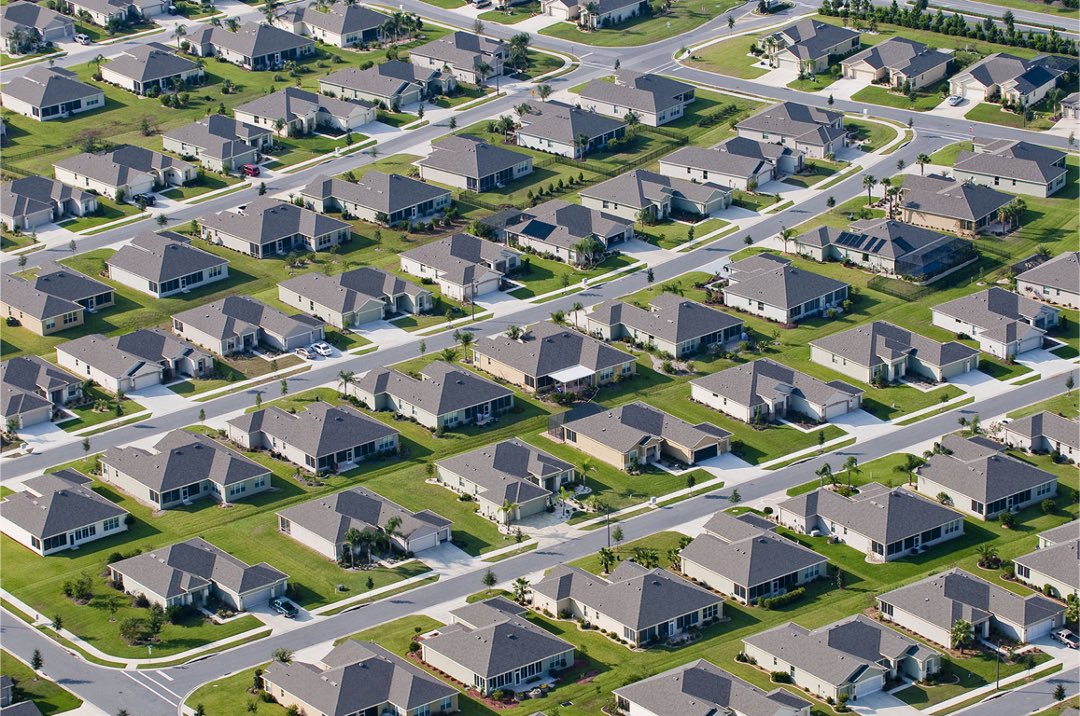
Because the people who live here are part of communities (plural) that can stretch across the entire planet. Where they *physically* live is almost irrelevant. We can all feel this, how we share a street with people we barely know. Many closer to people thousands of km away. /12
This also isn’t a plea to all get out and know our neighbours either, as if geography is the only meaningful structuring principle for community. The old regional communities never did that, their community came from God and his priests, not from living next door. /13
It’s also a mistake to think this means there are millions of hubs and communities. Networks are lumpy. You get a few large hubs, not millions of tiny ones. Because humans are social, and 95% of people will follow what 5% of ‘influencers’ do. /14 https://t.co/1maHP06DAX
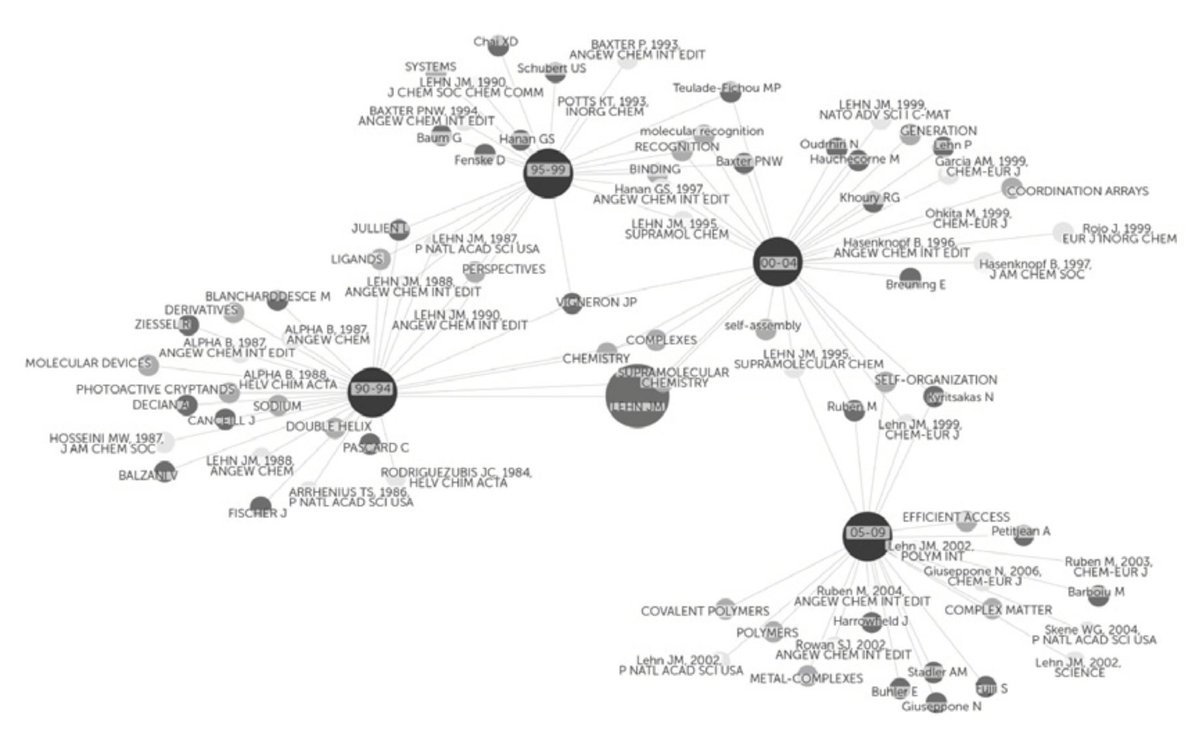
Take any large crowd like this, and as with the suburban homes, it’s tempting to think this is ‘the people’ in some way. But if you could see the networks and hubs each of the people who are in this crowd participate in, it wouldn’t be the homogenous mass you see here. /15 https://t.co/gd9A1zvqtD
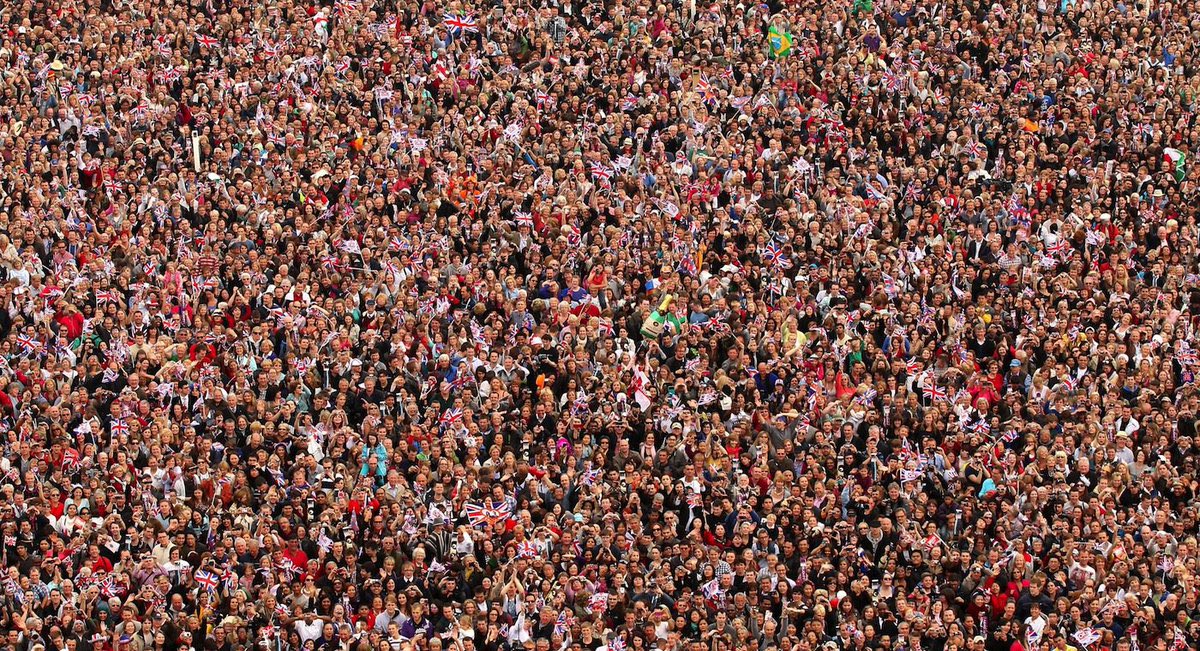
It’d be more like this. Affiliations with different hubs, of varying sizes, with potentially no connections to the people physically standing next to them at all. All of society is like this. It’s not ‘the people’, that’s a phrase tyrants use to justify their actions. /16 https://t.co/beOMta9Apc
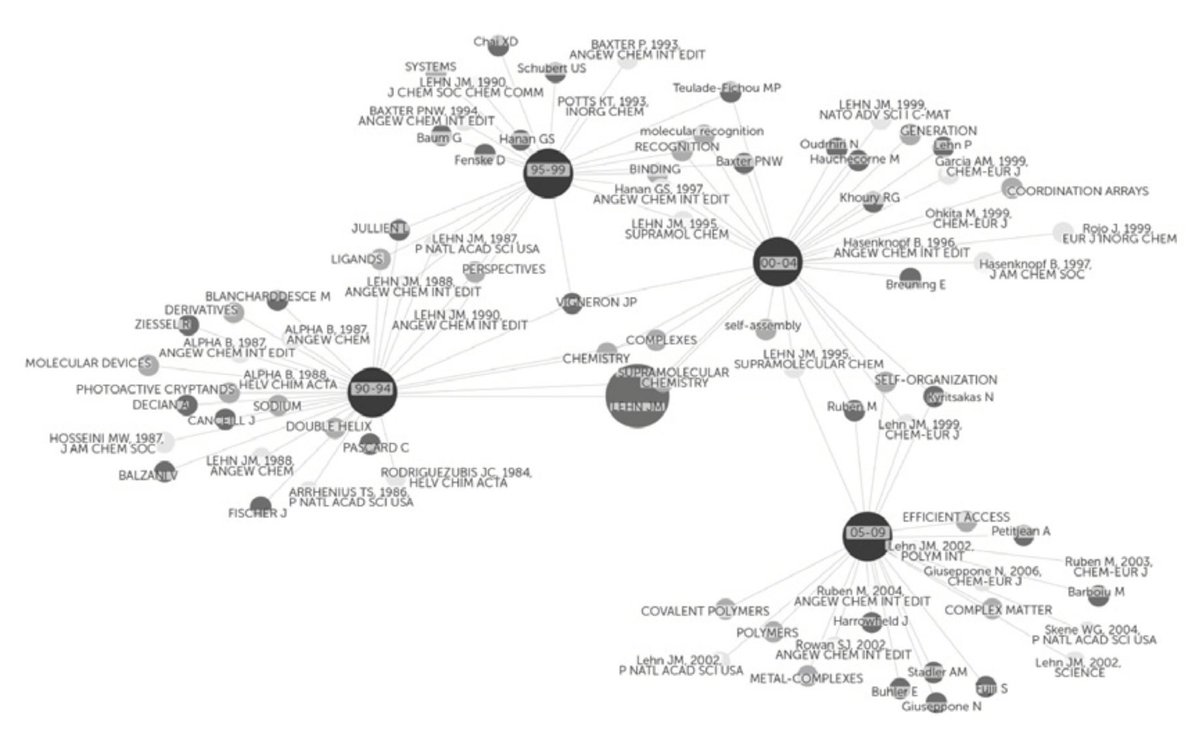
It’s lumpy. A relatively few hubs, that people affiliate with, with no necessary connection to their geographical location. I watch UK news for example, but not much Australian news (where I live). This is why the idea of local and global have always been bizarre, and wrong. /17
As if we have a local life, and a global life happens above and beyond that, somewhere. Our networked lives are independent of those geographical markers. Our libertarian politicians network with their mates in the UK and US, daily. That’s their ‘local’ lives. /18
If we want to change societies, we have to understand them. They’re not ‘the people’, as some amorphous mass of millions with some collective group mind. They’re fragile networks, attached to hubs. The hubs are what give an impression of collectivity. /19
Just as Covid (and its champions) seem to be everywhere in our societies, when in fact both exist in a relative handful of hubs, and then network out into the wider community to try to establish more hubs. Just as churches did. /20
Hubs and networks create the illusion of wide coverage, when in reality nothing exists outside these incredibly thin and fragile networks. People, in the sense of all of us, don’t organise or aggregate, outside these hub-networks. There is no way that could practically work. /21
Just as Covid doesn’t just spread at will through the entire community, though minimisers paradoxically want us to think that, to engender a feeling of helplessness, nothing can be done, we’ll have to live with it. Covid lives in fragile networks and hubs. /22
Find them, shut them down, and Covid is over, except for the occasional sporadic outbreak. Like all other infectious diseases we control. And like I say a lot, I will still wager those hubs are schools. Those cathedrals of filthy air. /end