Societies are not just collections of millions of people. Those millions are grouped into networks, organised…
Societies are not just collections of millions of people. Those millions are grouped into networks, organised around hubs. Understanding this is the key to bringing about change, as I’ve Tweeted about with ventilation. Another example shows the same mechanism. /1 https://t.co/ycgC1qWBvX
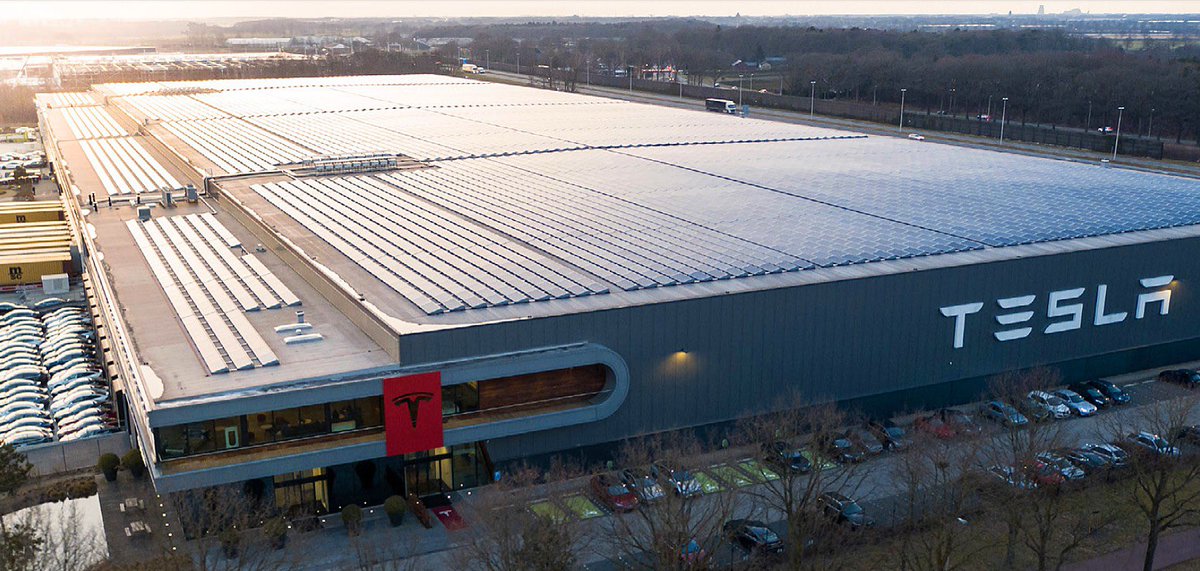
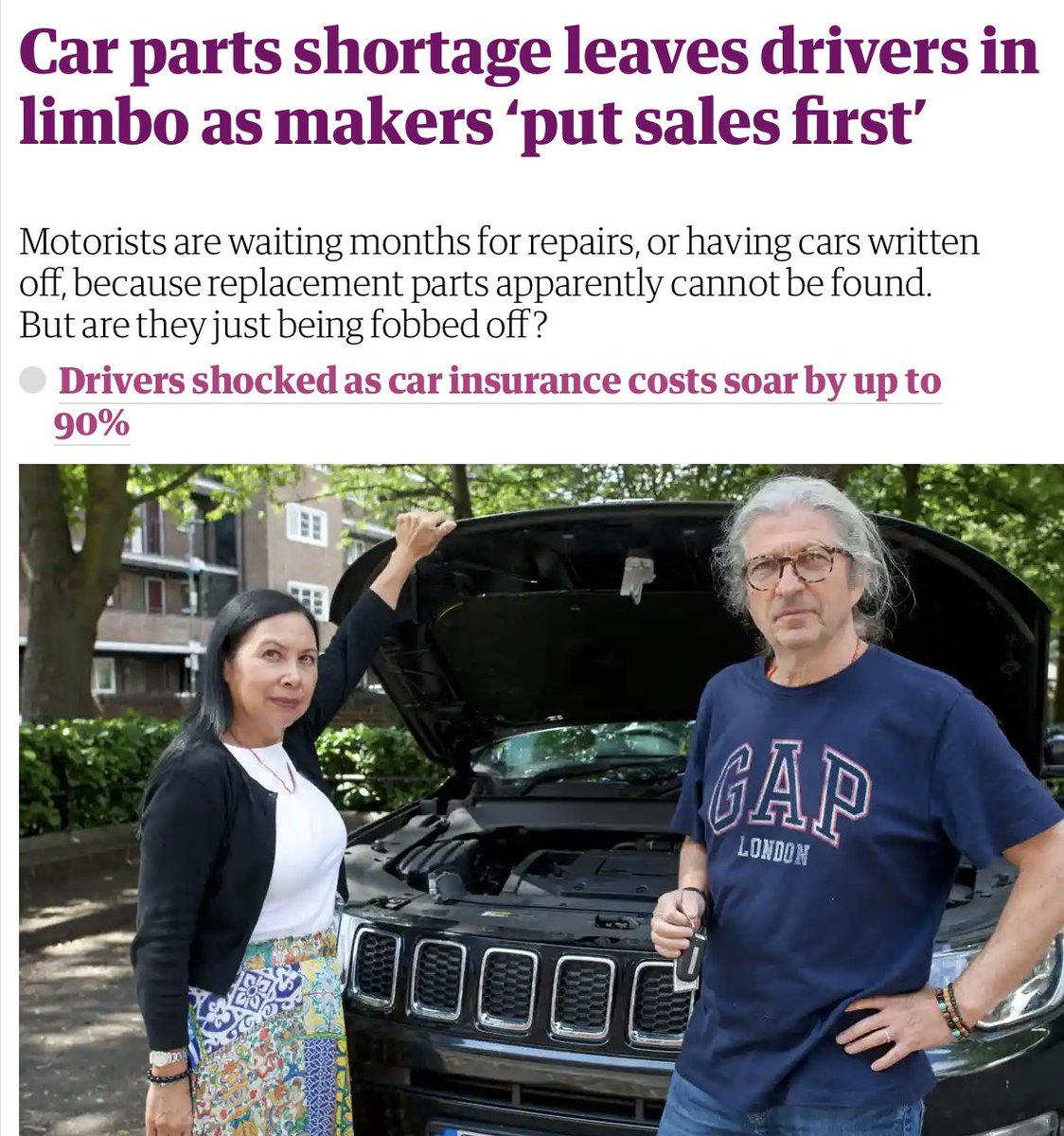
Fixing Covid is not a task of convincing and acting on billions of individuals. It’s a MUCH smaller problem of just targeting the hubs, where the infection begins. Schools. The car industry is an example of the same mechanism. Pretend cars are viruses. /2 https://t.co/yYXyxJLwVs
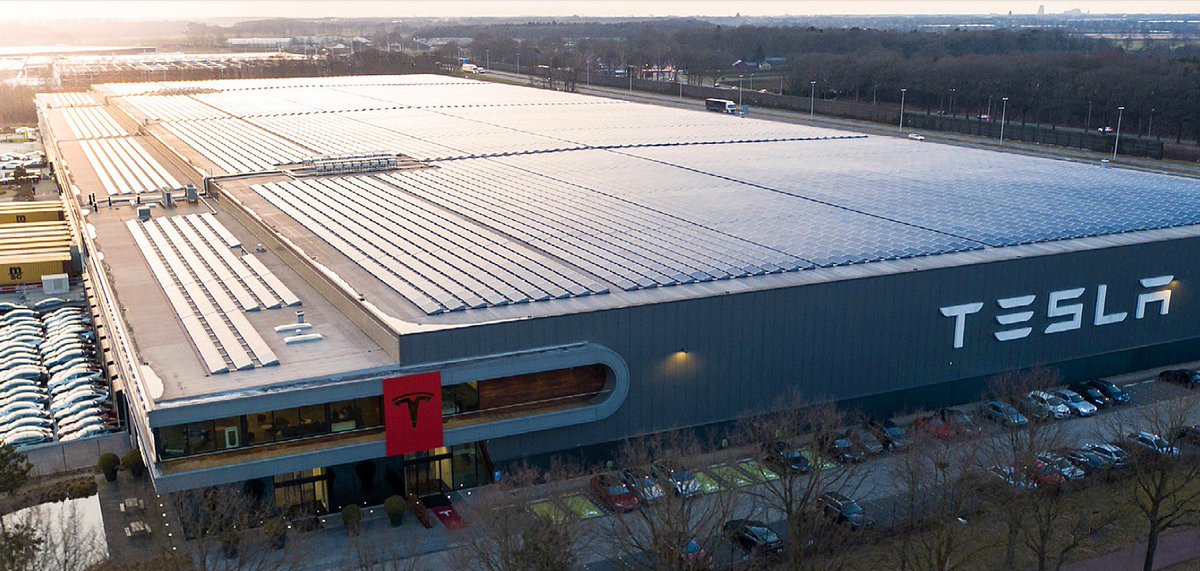
You see millions of cars out on the roads, and if you were interested in the ‘spread’ of cars, you might think you need to follow and control all of these millions of cars. But they all come from a handful of hubs. Car factories. Every single one of those cars is networked. /3 https://t.co/dv6NH5VLWy
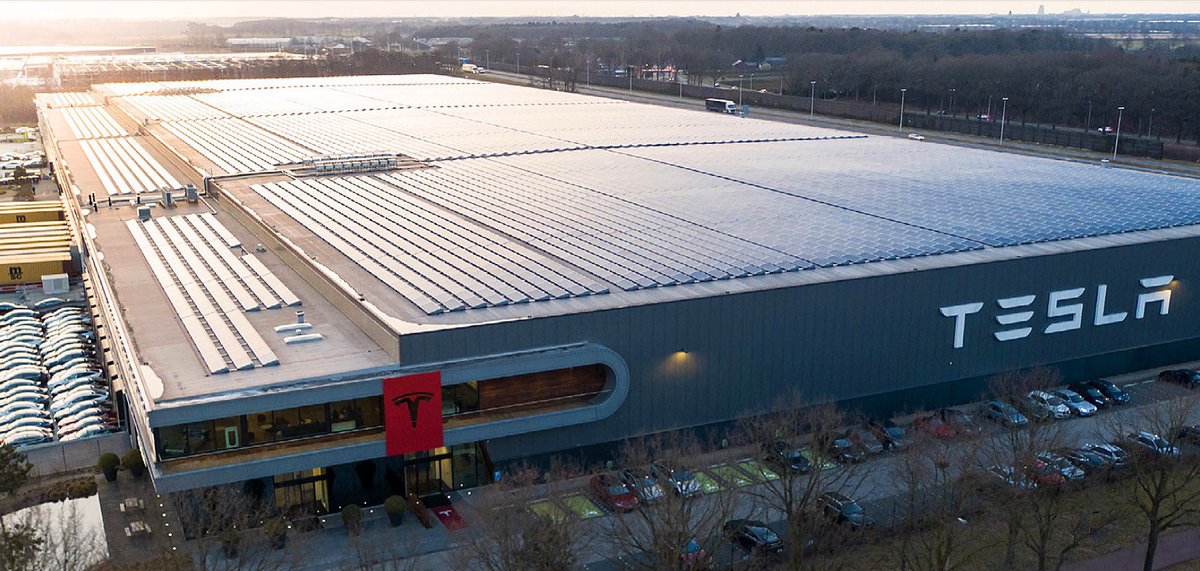
Back to the factory where it was made, which also produces spare parts, upgrades etc. It’s the network that makes cars exist and functional, and it’s the hubs in the networks which drive (ha) the whole process. Proven just recently, by the pandemic. /4 https://t.co/eIs2lALONA
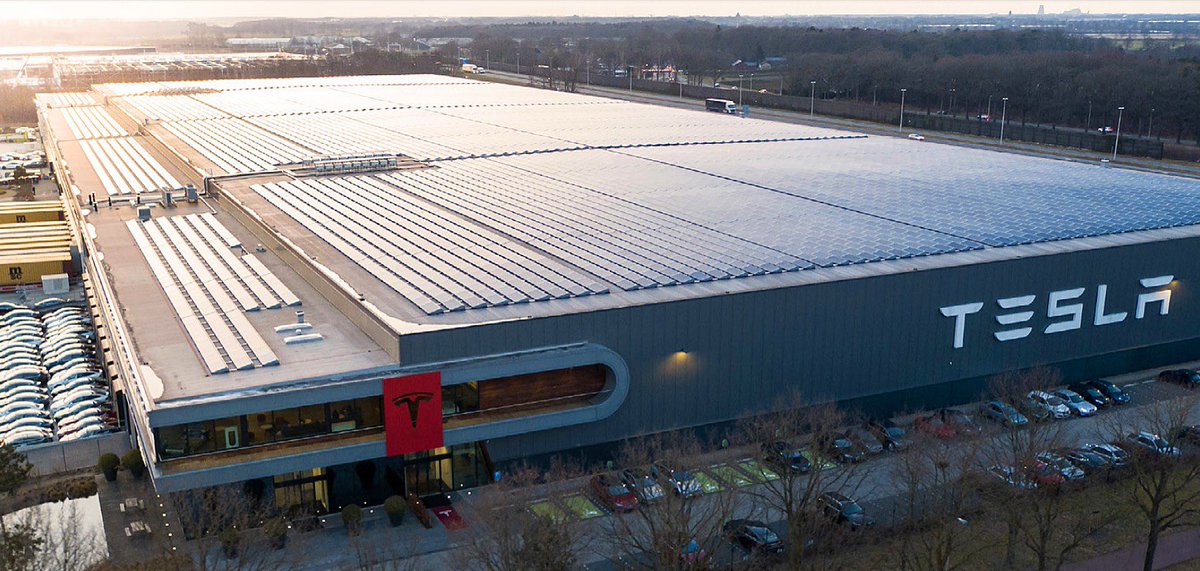
Where you couldn’t buy or even repair a car, without months or even years of delay. The hubs couldn’t access their raw materials. Starve the hubs, you destroy the networks. No need to deal with each of the individual cars, without their networks and source hubs, they collapse. /5 https://t.co/FR0UakhDvI
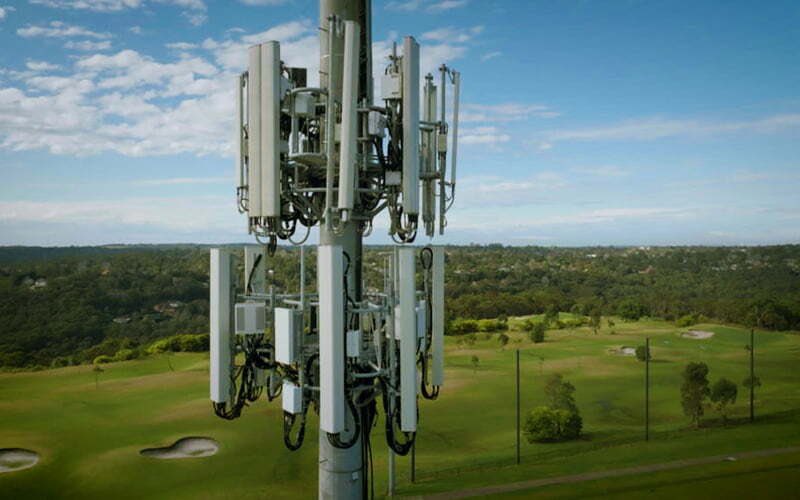
You can see this exact same network structure everywhere. Mobile phones is another, where we assume a sort of universal country-wide coverage, just as we assume society is this homogenous mass of millions of separate individuals. /6
But mobile phones don’t work outside very tightly-defined networks, formed by transmission hubs. ‘Cell towers’. Move outside of these even a bit, and you get nothing. Society is lumpy, lots of hubs with skinny fragile networks flowing out of them. /7 https://t.co/k12ZxTIo3X
Another classic and pertinent example is ‘range anxiety’ for electric vehicles. Drivers of ICE vehicles are used to having a service station where they need one, because that fuel supply network (which costs a fortune) was built out over many years. /8
The range of ICE vehicles is completely arbitrary, it’s the fuel supply network that actually defines it. For example in Australia there are about 20 million ICE vehicles. That might make you think there must be hundreds of thousands of refuelling stations. Not even close. /9
There are only about 7000. Those again are the hubs, that make the whole network operate. The cell towers of driving. So why does all of this matter? Most fundamentally for me, because it completely shifts how to understand ‘democracy’. /10
Democracy is absolutely not, despite what anybody says, some amorphous mass called ‘the people’. Groups of people, of whatever size, simply don’t act as a coordinated single entity in that way. They form networks, organised around hubs. Society is lumpy, like phones or cars. /11
They don’t look like the colour picture here. They look like the black and white picture. The hubs are their beliefs, organised in status hierarchies around key leaders or influencers. Those influencer hubs create networks, thin tendrils out into society. /12 https://t.co/RPY6QSzI5P
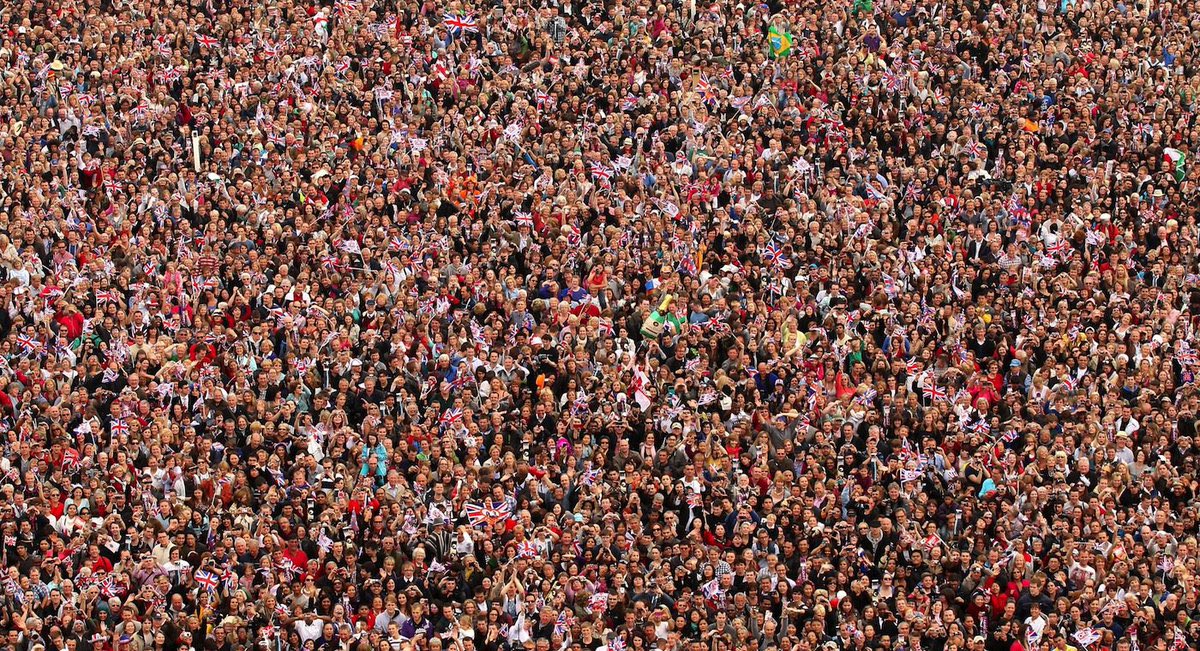
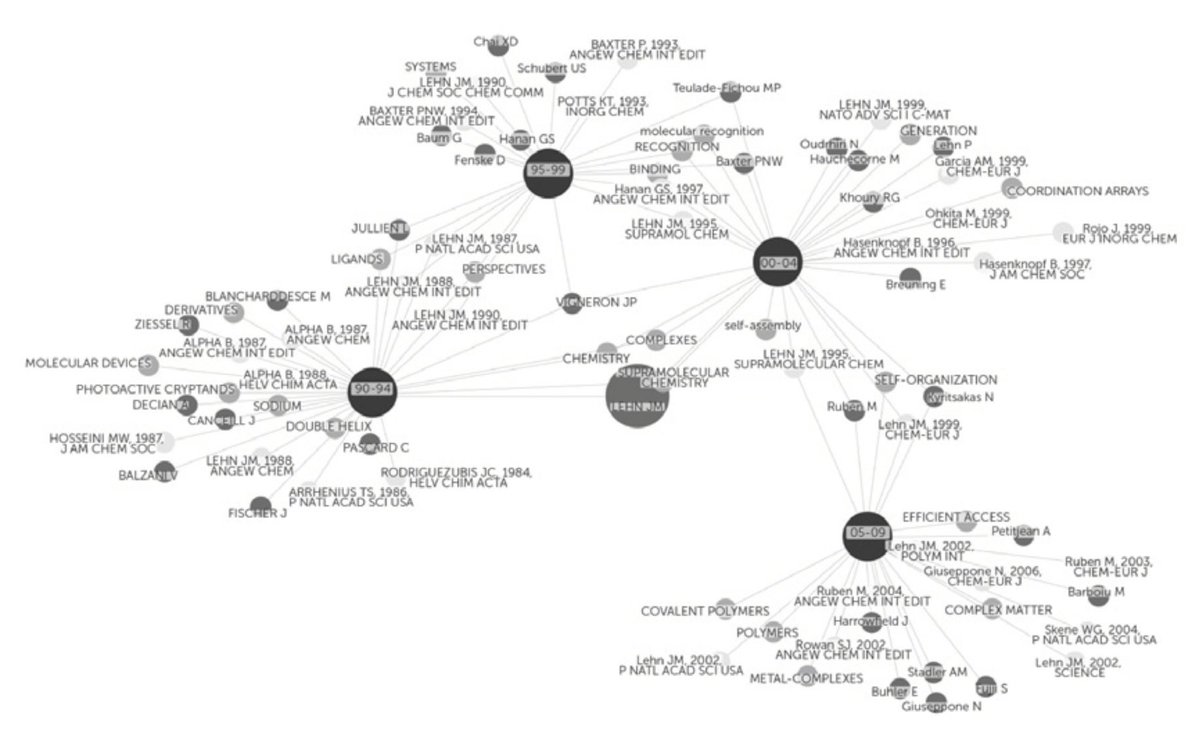
And these hubs and networks are constantly shifting, sometimes incredibly fast. The key thing here is only tiny numbers of people can create vast networks that give an impression of ‘the people’ all supporting something. But it’s always just a skinny network, linked to a hub. /13
This makes change much easier and faster than the idea of democracy and societies as millions of separate individuals does. As I’ve Tweeted for Covid, it makes us completely misunderstand how to fix problems, and to magnify the difficulty. /14
Covid is maintained in only a small handful of hubs - schools - that continue to irrigate the networks out into wider society, through contact with kids and staff. Target the hubs, and the whole network collapses. No need to mask millions of people or otherwise impact them. /15
Similarly the ‘elites’ many talk about are and always have been the TINIEST minority of people. They have never, not once in history, had strength in numbers. But they’ve been masters at creating networked hubs. Media networks for example, networked to millions of people. /16
They own the key tabloids and radio stations and now social media. The hubs. It allows them to seem like they have the support of ‘the people’. That support is only hub-deep, it’s incredibly fragile, thin networks. Regulate those hubs and that all collapses. /17
It’s why they hate regulation, they call it ‘red tape’. That regulation targets the handful of hubs which create the illusion they’re everywhere, and all-powerful. Society is lumpy. Understand that, and all the local/global stuff disappears. It’s all hubs and networks. /end