We may be thinking about Covid the wrong way. It remains true it seems that Covid is an overdispersed virus.…
We may be thinking about Covid the wrong way. It remains true it seems that Covid is an overdispersed virus. It has a low dispersion parameter (k), meaning most spread is superspreading events from a very small number of people. /1 https://t.co/O8QDN2U2Ud https://t.co/Cu4PdUHVEo
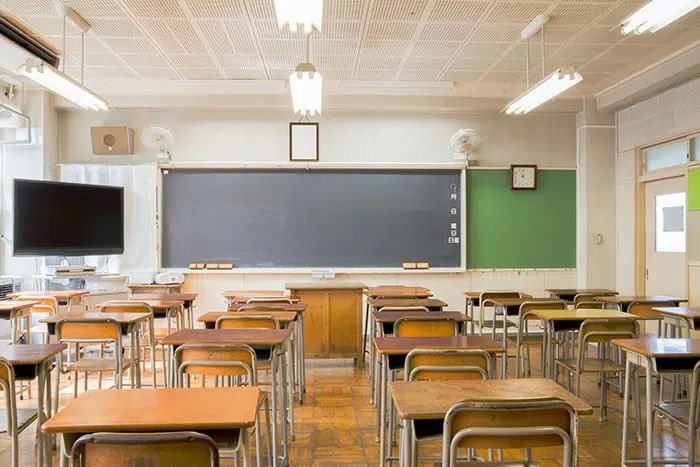
We knew this earlier in the pandemic, it was the basis of much public health action, to target locations where superspreading would be more likely i.e. mostly crowds, in indoor spaces. Except in schools, which politically were forced open without mitigations. /2 https://t.co/KDxxSM7Hvw
The flip side of this is that we knew Covid was in fact much easier to eliminate from widespread community exposure than we at first feared. Australia’s ‘lockdowns’ for example hit Covid for six, even when they weren’t very long. But we didn’t use that insight. /3
We went straight from there, to uncontrolled spread. To ‘personal responsibility’ public health. What we could and I think should have done, and could still do today, is target Covid’s main breeding grounds. Schools. Easily the most ‘mixing’ of all public spaces. /4 https://t.co/xnZcsmijZC
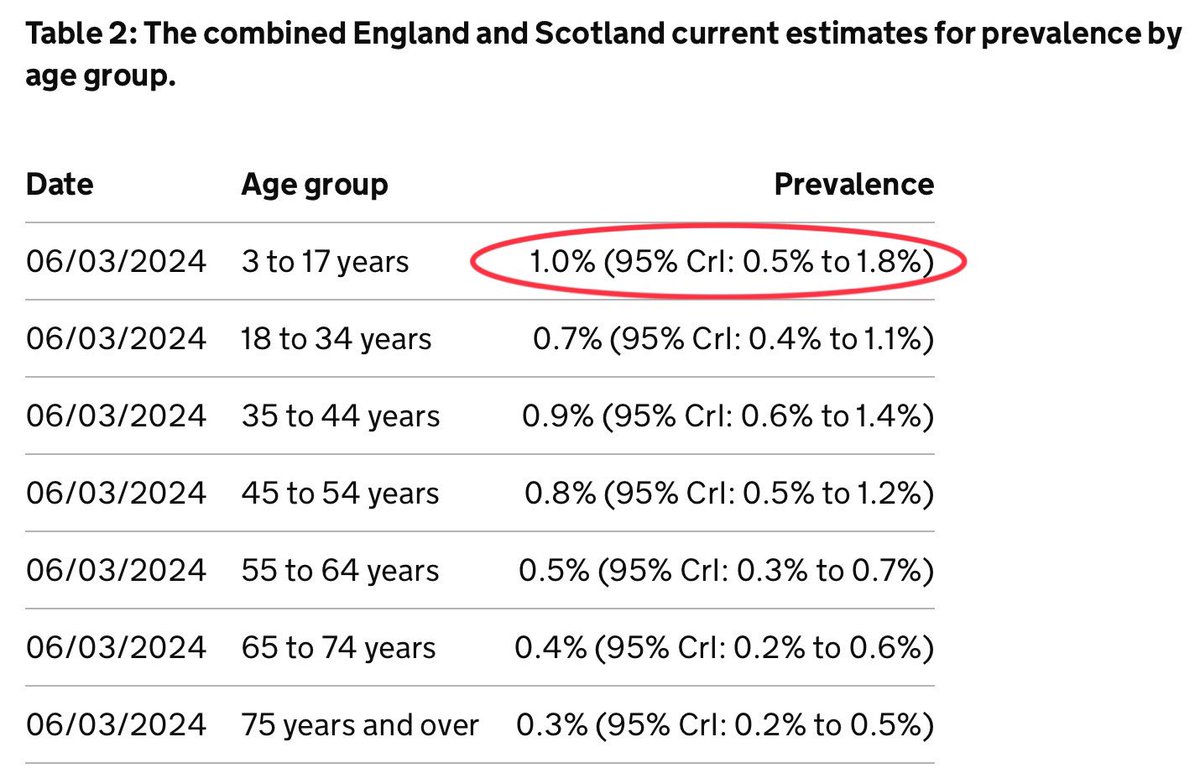
The entire community mixes in schools, through its children. Workplaces much less so, which contain people from much more restricted geographical locations. (Remembering though that schools are also workplaces.) The recent UK prevalence data bears this out. /5
The highest prevalence of Covid is still in children. And that’s schools at work, where children mix. Until Covid pretty much everybody agreed schools were the major driver of spread of infectious respiratory disease. Only the politics of Covid made people doubt that. /6 https://t.co/snoRNCCErx
Even if you take Covid out of the equation, this infectious respiratory disease was costing societies like Australia billions of dollars every year, in sickness. Tens of billions if you include presenteeism (turning up to work sick). The thing to do here is glaringly obvious. /7
Ventilate schools. Drive down ALL respiratory disease in the community. The economic saving alone from even one year of doing this would pay for the retrofitting needed many times over. Those who oppose further Covid action are like politicians from the early 2000s. /8
The ones who, entirely for political purposes, tried to convince us that terrorism was a threat to our entire culture. It was always a highly localised, networked threat, not the population-wide hysteria that was deliberately cultivated for votes. /9
https://t.co/1wwWvw94LH
Similarly Covid minimisers try to terrify people (while simultaneously accusing those who want more action of hysteria) into thinking any further action will mean locking entire societies down, suppressing freedoms and making us all mentally ill. But let’s go back to k. /10
We don’t need to do any of that. We just need to slow spread in superspreading locations. Enough to get that Ro below 1. Exponential decline will do the rest. Ventilate the schools, which already had a record of decades of poor air quality. This is our children, ffs. /11
Nobody loses, ventilating schools. The fabled economy gets to dramatically reduce its presenteeism and absenteeism, slowing the spread of disease into the wider community from schools. Kids and teachers would be much healthier and miss a lot fewer days. /12
And their families and working parents the same, sick much less often and more productive. I mean, less sickness should be all the motivation we need. But let’s add productivity for the feeble-minded who think society is an economy. /13
Covid is a highly localised problem, portrayed as a universal problem to solve. That’s what creates the wider inertia to do anything at all. If only Kevin Rudd had made school ventilation the GFC stimulus, instead of school halls. Covid would have been over here now. /end
#auspol