If you reframe our modern economic life in social ways, it makes a lot more sense. I’ve always loved (and…
If you reframe our modern economic life in social ways, it makes a lot more sense. I’ve always loved (and lived) the reality of this Dilbert. It’s not just the reality of economies, it’s all of human life, since humans appeared. It’s our social nature at work, not economics. /1 https://t.co/1MocKoWHkz
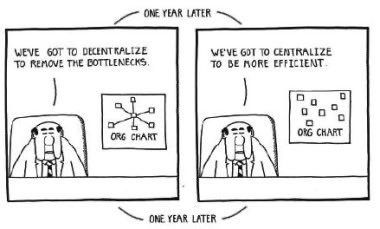
Firms centralise to create economies of scale, or efficiency as the cartoon says. Vertical integration is one example, where firms take control over their supply, manufacturing *and* distribution, to be able to control the entire product flow. /2
This is how BYD for example is now disrupting the car industry. It’s reported to make everything in its cars, except the tyres and windows. It’s not dependent on suppliers or distributors, it does it all itself, which allows it to control costs through economies of scale. /3 https://t.co/5vVwMjdb1l

This is where the ridiculous fantasies of modern economics always come unstuck. At the same time it runs narratives about how ‘competition’ will keep prices down for consumers, and ‘monopolies’ keep prices high. Here in Oz the Coles/Woolies duopoly debates are this. /4
Rarely noticed is that all sides converge on this idea. Those evil monopolies and duopolies! It’s goodies and baddies for grown-ups. In actual reality, firms do this to try to reduce costs for consumers. /5
https://t.co/ThNsu0RU2l https://t.co/vBG7PHKzEQ
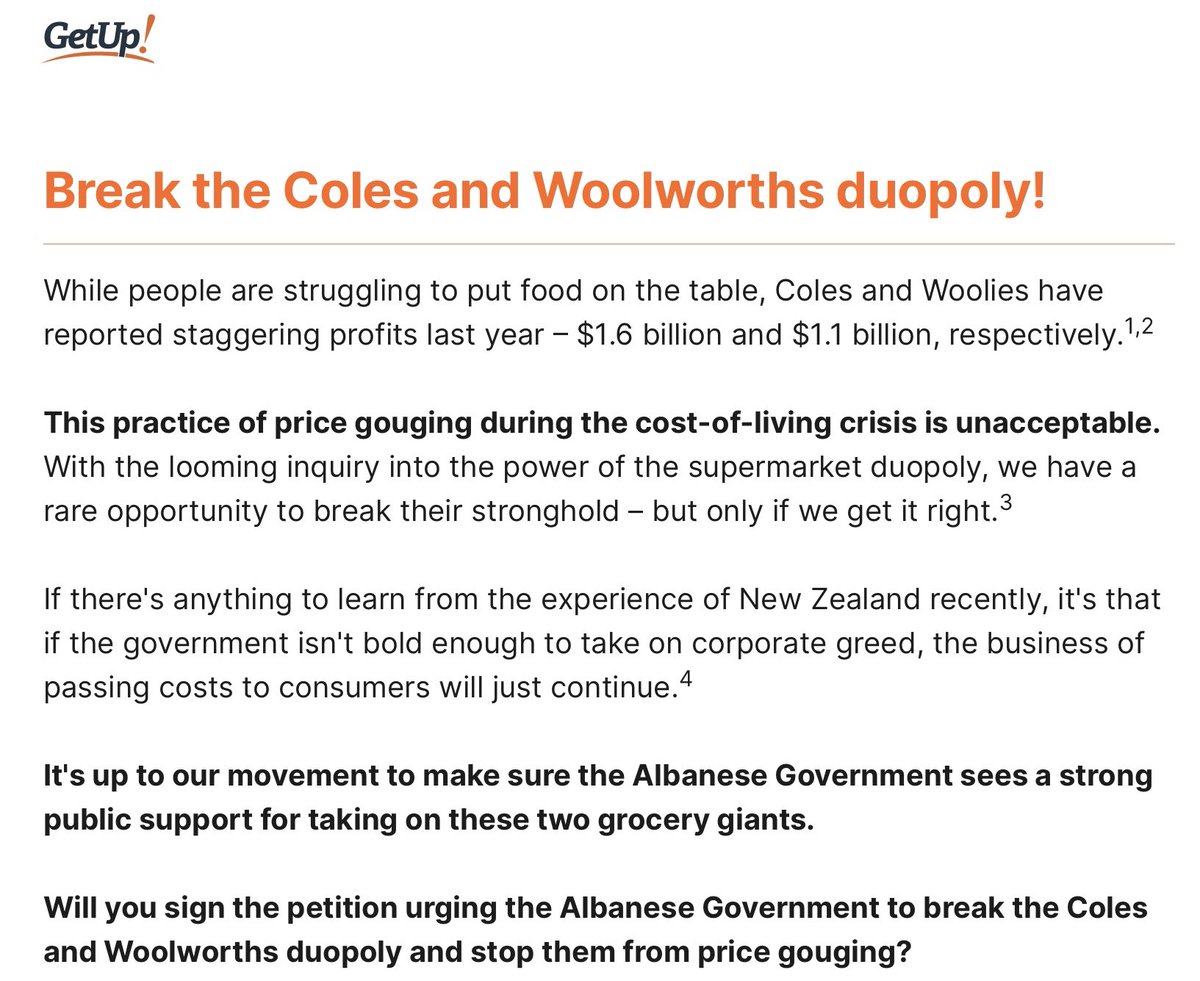
Coles and Woolies for example are just following the lead *of* competitors like Aldi, they’re becoming more vertically integrated. They’re controlling their supply chains. Competition did this, it produced monopoly behaviour. Because prices come down with economies of scale. /6
The very thing the laughable narratives of modern economics say are bad, basically anything that produces scale and *reduces* competition, is what creates economies of scale and lower costs for consumers. It’s THE most basic logistics. /7
If you can control and coordinate all aspects of your business, you’re able to do it more efficiently and therefore more cheaply. The same principle is applied in healthcare.
‘Single payer’ systems like Medicare keep costs down. Economies of scale. https://t.co/4gzUX5K41J /8 https://t.co/QDG3cvJrux
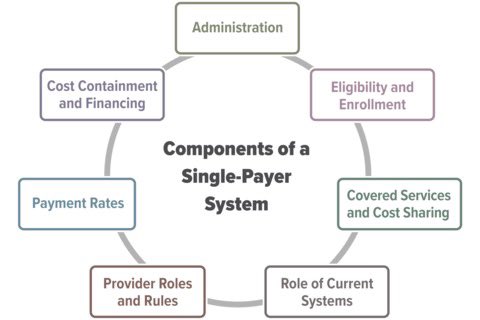
Medicare works BECAUSE it’s a monopoly. It’s much more efficient. The alternative competition model of health care through private provision and insurance *always* suffers from runaway cost blowouts. I said originally that all of this is a social process. /9
As I Tweet about a lot, humans are social creatures, in everything they do. Economies of scale is a manifestation of that. If your supply chain is a whole series of independent companies (teams in a social sense), then each one of those teams will ‘compete’ for status. /10
For success. With all of the others. Each will look to get the best outcome, for its team. It’s hilarious we think this is the way to be more efficient and drive costs down. Instead it does the opposite. Each team/firm looks to maximise its return, to itself. /11
Exactly what we see with private health. The insurers want to maximise profits, healthcare providers want to do the same. The price of everything goes up. It’s only when you coordinate all of it in a single-payer way, that those status games are bypassed. /12
Similarly we see this in politics every day. The political libertarians, who are determined to pulverise all collective mechanisms and return ultimate sovereign power to individuals, instead create the greatest swarming mobs of obedient cult behaviour of all. /13 https://t.co/GRn5bP5CBB

Humans will ALWAYS create hierarchies, they will assemble around higher-status individuals and ideas. Logistically it’s much more efficient, and more fundamentally it’s a lie that humans like diversity. They desire nothing more than unified belief. /14
Australians still bank predominantly with the ‘Big 4’, because they like all people hate having to constantly calculate and negotiate the ‘best deal’, which the economic propaganda says is best for them. They just want it taken care of, to not HAVE to think about it. /15
Not because they’re lemmings, but because they have other things to do, a life to enjoy without having to constantly figure out what is best and safest for them. Something not said enough in the Coles/Woolies debate is that Australians shop with them because they LIKE to. /16
Cheaper alternatives like Aldi have been there for years. Australians don’t care. Socially, humans like scale, they like unified belief and activity, and logistically that’s also better for everybody. It’s not scale that puts prices up, it’s the refusal to *regulate* scale. /17
They also love imitative rivalry. We get duopolies because that’s team sports, which we love more than anything. That’s the status game. Coles/Woolies is retail State of Origin. If we ignore these basic social behaviours, we’ll never understand why we get things wrong. /18
Take away scale and humans will always re-create it somewhere else. We removed monarchies, so humans reinvented them. We centralise because socially we love status hierarchies. This can cause bottlenecks only when those social status games get in the way of the logistics. /18 https://t.co/9MGde7TYI6
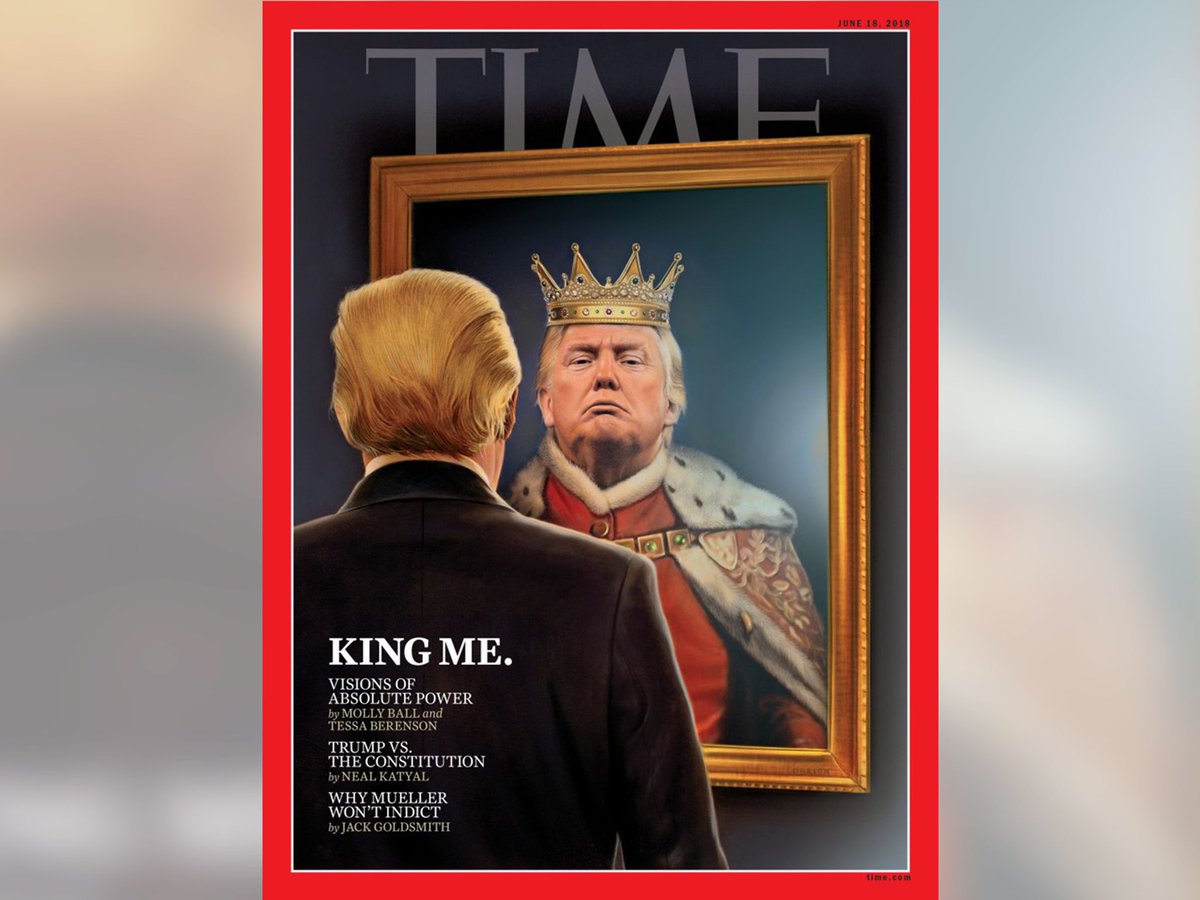
There’s no way to resolve that tension, that tension IS human history. Humans run on desire, all of our societies/economies are really the continuous play of desires. Never stable, always fracturing as new desires and their social statuses disrupt others. /end