Politics is social, not political. It never works by people processing information. It's about trust. We…
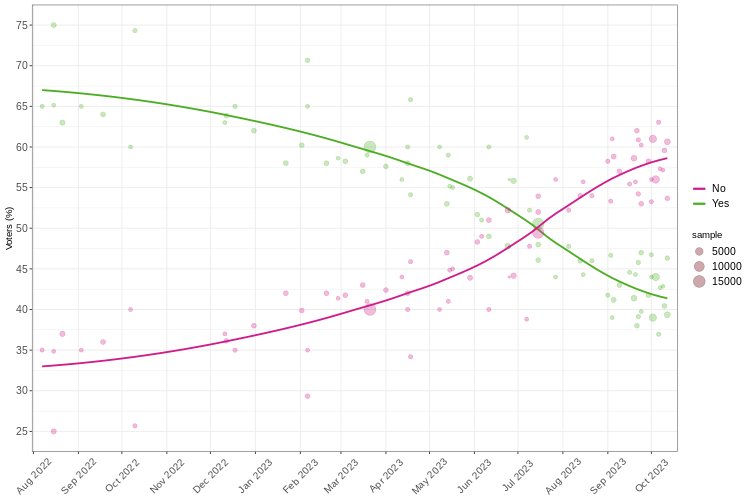
Politics is social, not political. It never works by people processing information. It's about trust. We elect people to deal with things for us. When one side opposes, No will always win, because it breaks the feeling of trust that things are being taken care of. /1 #auspol https://t.co/oOphgjJcy5
This is the real reason people say they hate 'division' in politics. Division means what they delegated has now come back to them, to try to deal with themselves. What they trusted others to do, has now been dumped back on them to do. You can see it here in the numbers. /2 https://t.co/zzJKd0cbKu
A year ago nearly 70% of Australians said they'd vote Yes in the referendum. They trusted that it was the right thing to do, because their leaders had put it forward, just as they trust a mechanic to fix their car. And then the Opposition decided to promote No. /3 https://t.co/ILrV04VQdr
What that does again is nothing at all to do with information or the details (or lack of details). The public isn't bothered with details. Trust is the currency of politics. The fact there was no agreement at the top end of politics meant that trust was broken. /4 https://t.co/QEypPr7KZF
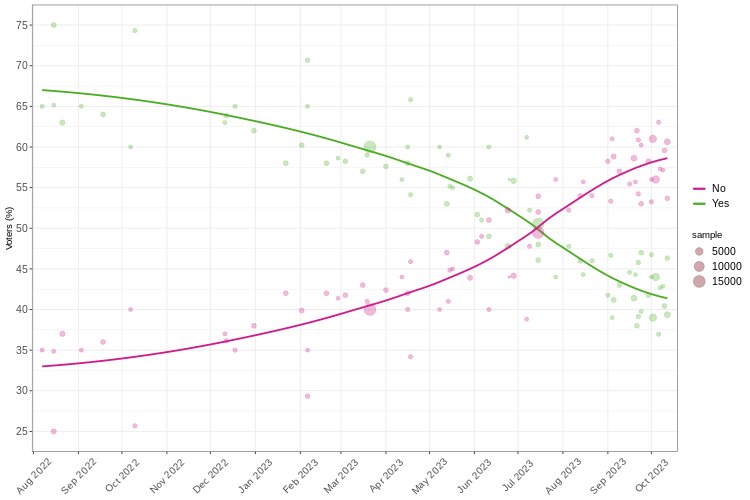
The referendum was dead from the moment that decision was made. Everybody knows referendums fail without bipartisan support. This is why, it introduces a lack of trust. Suddenly people weren't sure if they could trust this change. That's all it needed to kill it. /5 https://t.co/xukzTyHRLA
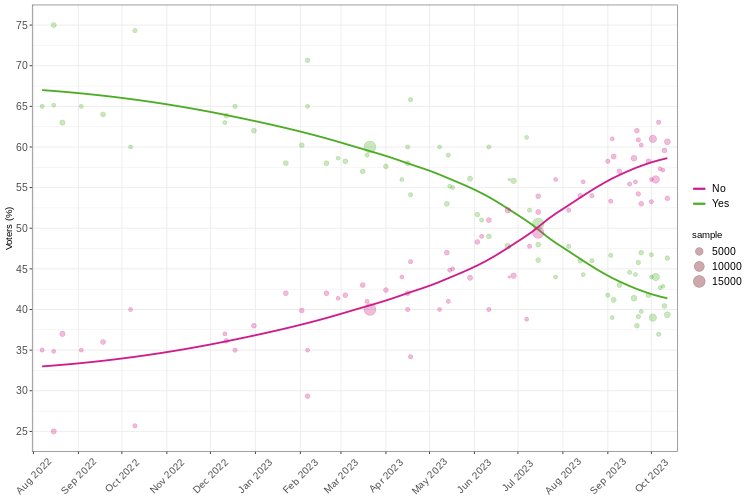
Societies only make sense socially, because that's what they are, social. The perfect symmetry of the shift from Yes to No in the data doesn't represent individuals digesting new information. That would create an erratic line. It represents the wholesale loss of trust. /end https://t.co/qhGjXfMU7N