Know that feeling of speaking into a void, with Covid? Here’s the origin of that void, in history. It’s not…
Know that feeling of speaking into a void, with Covid? Here’s the origin of that void, in history. It’s not capitalism, or neoliberalism, or any of that stuff. It’s social, cultural. And it’s about kids, and how they develop as the grow to adulthood. Bear with me. /1 https://t.co/ImJjqZnukn
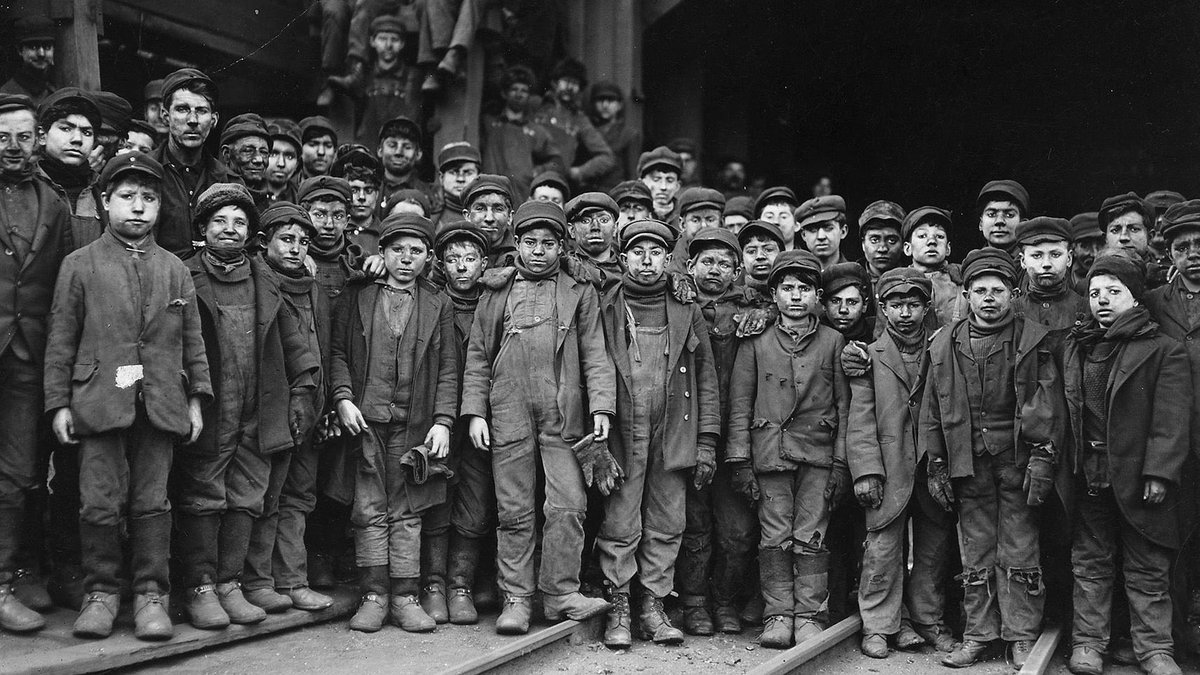
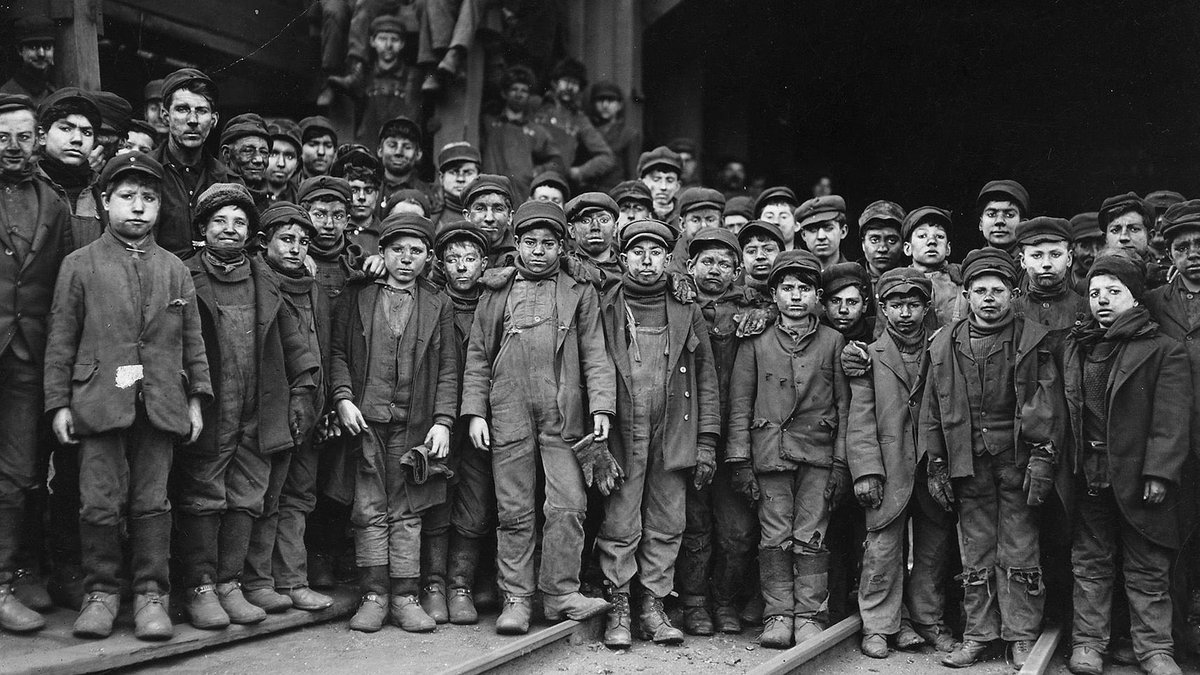
We call this ‘child labour’ now, kids working alongside adults, even in dangerous jobs. And it often was dangerous. But it was also a social and cultural arrangement that has very deep implications. Primary here is the world of the adult. Kids were seen as mini-adults. /2 https://t.co/jrkvTUaWB4
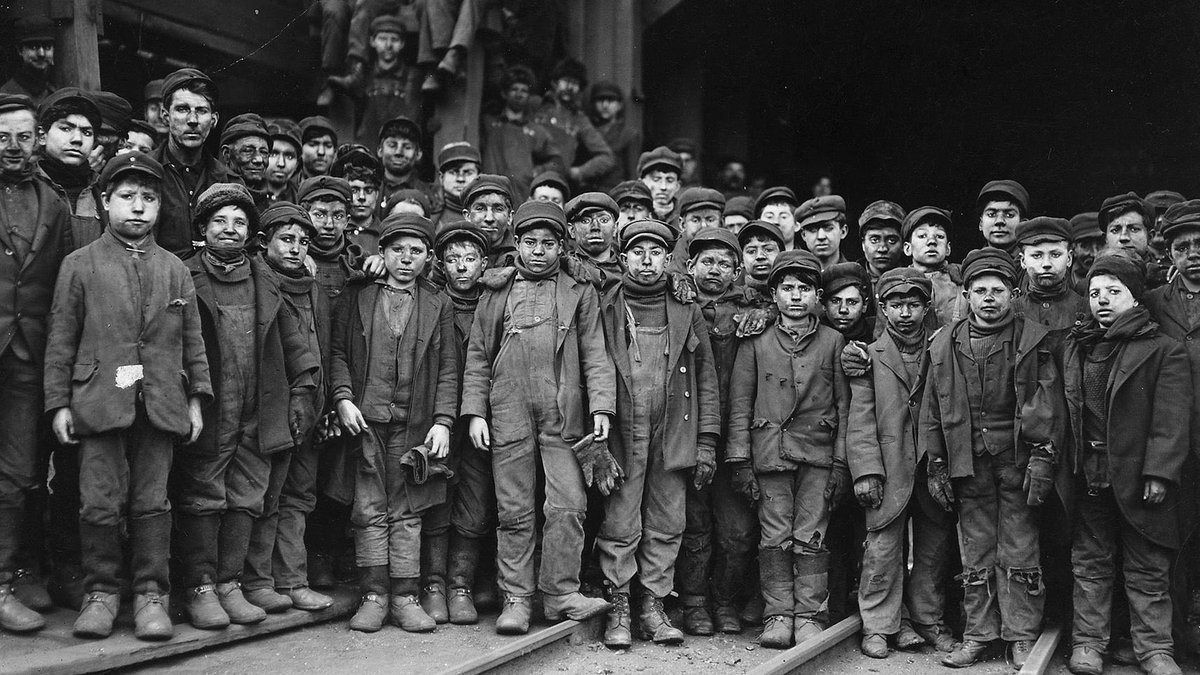
There were obviously all sorts of problems with this, particularly when the work was dangerous. But it wasn’t all bad, socially and culturally. Kids are highly suggestible, and this way they emulated adults and adult life. They do that still today, before going to school. /3 https://t.co/MH42hZWsE7
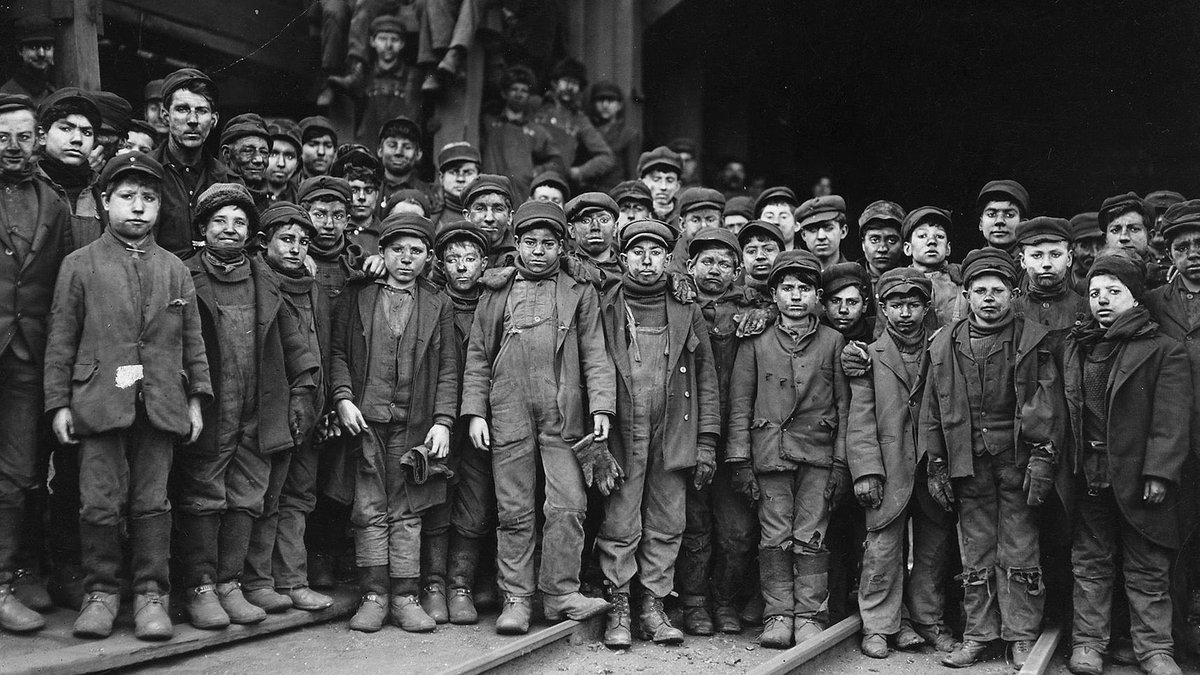
They often idolise a parent and their profession, or want to be a fireman, or doctor, or bulldozer driver (me), or any other adult roles they’ve observed. There’s a clear progression in their mind, into the adult world, in an adult role. They ‘look up’ (literally) to adults. /4 https://t.co/fntXUwc09o
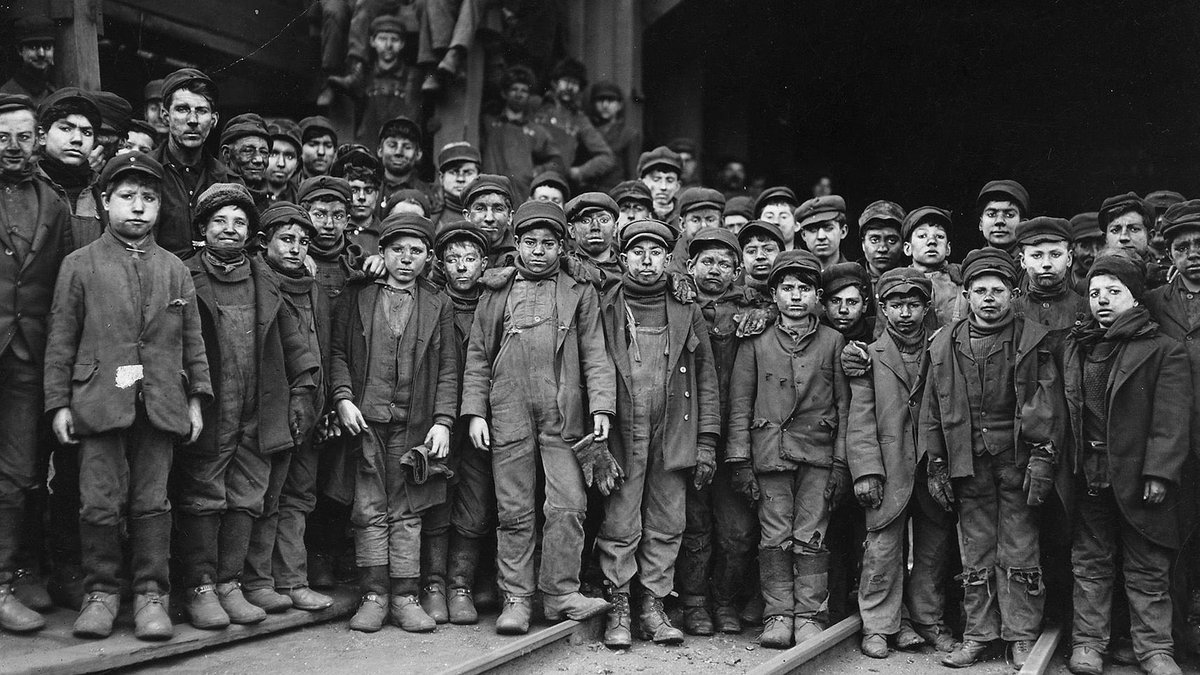
And then we did something maybe profoundly stupid. We took all kids, and isolated them from the adult world, entirely. We put them in schools. Now there’s nothing at all wrong with schooling, or knowledge, in fact knowledge is the most important thing in the world. /5 https://t.co/QGEzYEIcHO
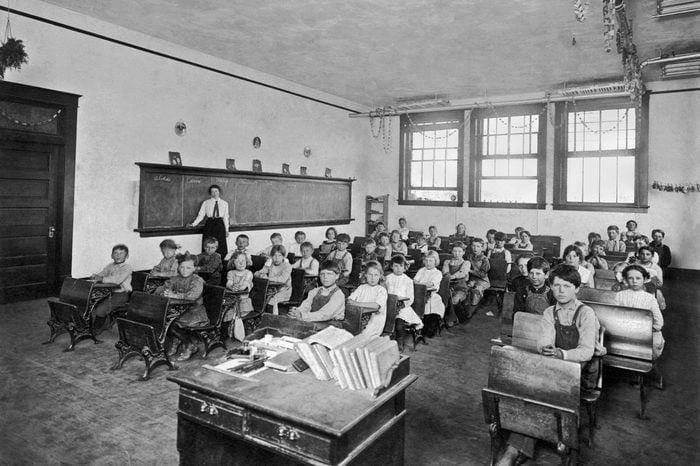
But schools are about much more than knowledge. They’re social and cultural things, predominantly. All human things are. And when we severed the link to the adult world, we changed everything about our cultures, in ways we’re only now discovering. Very bad ways. /6 https://t.co/HelO7wGTUd
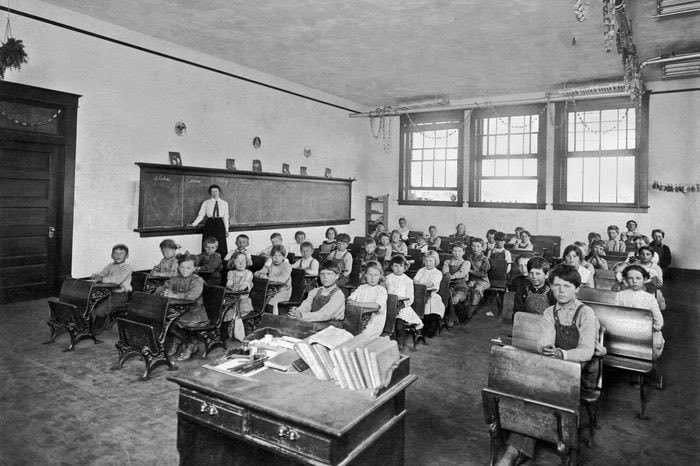
Because now kids had to emulate each other, not the adults they were working with previously. They had to set up social hierarchies within the school, to replace the hierarchies they had in the adult world of work. This is where societies were setting up social time bombs. /7 https://t.co/zF0dXGAFL1
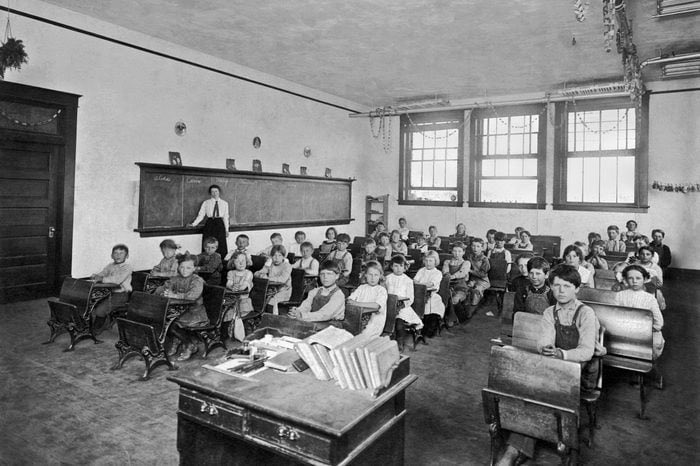
Because let this process run for a few generations, and what happens? The kids who leave school enter the adult world they’d been separated from, and rather than slot into an existing adult hierarchy, they remake that adult world in the image of their experience at school. /8 https://t.co/4f44h5Mn1K
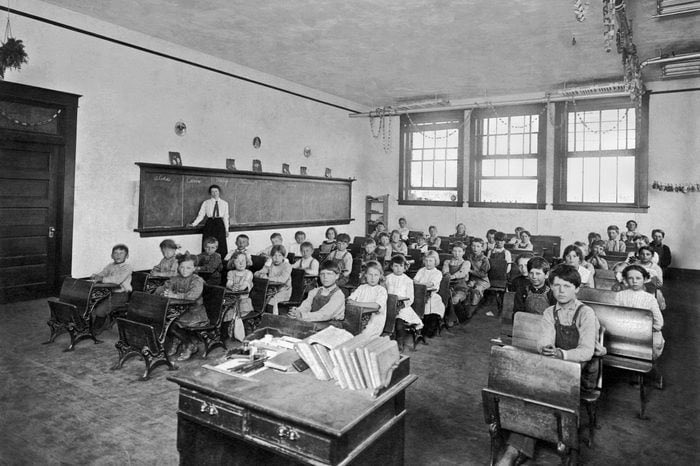
Gradually, the adult world disappears, almost entirely. The entire locus of society shifts to the culture of schools. Kids as they grow don’t reproduce and propagate adult culture, they reproduce school culture. It’s all they know. The infrastructure of adult life is there…/9
…, the technologies and workplaces etc. But the way of *socially* processing this infrastructure has shifted completely. The dominant mechanism of school culture is popularity. And that’s what now takes over the adult world. Whether workplaces, social life or politics. /10
Popularity becomes the new infrastructure of social life. Competence at a task, as in the older adult world of work, is replaced with ‘climbing the greasy pole’. ‘Networking’. ‘It’s not what you know, it’s who you know’. Etc. All schoolyard behaviours. Politics, the same. /11
Everything becomes about winning elections, the route to ultimate power. Being the most popular person. A focus on solving adult problems becomes a focus on being the person most ‘liked’ or recognised in relation to the problem, whether it gets solved or not. /12
So this is how we end up with the void, for Covid, climate and much else. Nobody is focusing on fixing the actual problem at hand, because they’re focusing on negotiating their place in popularity-driven status hierarchies. Popularity includes ‘esteem’, and ‘recognition’. /13
Grown-up sounding words to disguise the same basic underlying mechanism. We’re unable to solve anything because we replaced the adult world with a child-world. We completely flipped our cultures. If you’re looking for the grown-ups, you’ll find kiddults. /14
Nothing perpetuates all of this more and faster than social media. An economy of ‘likes’. Popularity. It took that cultural shift and pumped it full of steroids. The world burns while humans sit on these platforms all day, using imitative rivalry to try to build status. /15
All because we forgot that humans act socially, in everything they do. By fundamentally shifting how kids related to adults (i.e. hardly at all now, through schooling), we fundamentally changed our cultures. To an adolescent culture. That’s the void. /16 https://t.co/UlMa3tiY6s
Adolescents are interested in fun, travel, parties, ‘discovery’, resisting authority. Sound a bit like our adult world now? Where we travel and party and scroll through social media, while it all collapses around us? We did it to ourselves. /end