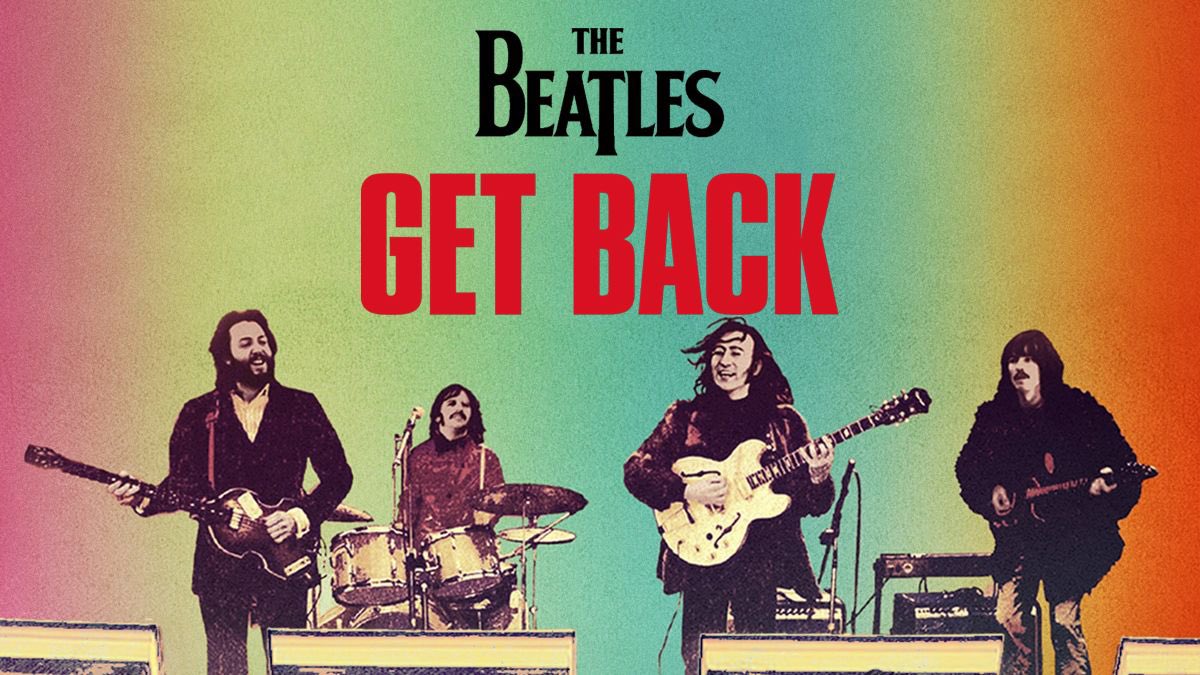
A Part 2 on Get Back. This movie is very important, and it’s irrelevant what you think about Beatles music.…
A Part 2 on Get Back. This movie is very important, and it’s irrelevant what you think about Beatles music. The beliefs that are now destroying our societies were taking root at exactly this time in history. The Beatles were a major unwitting vehicle for them. /1 https://t.co/0ARtBF0kC6
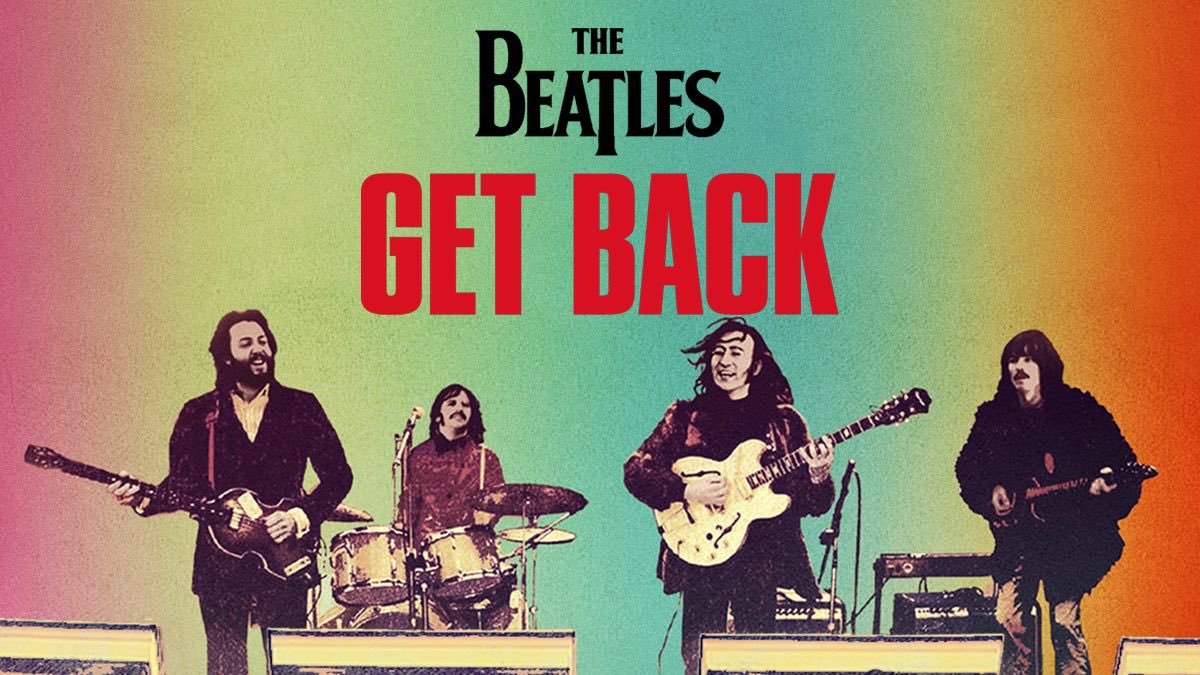
Counter-culture. An all-out assault on the culture of the time, from a generation which Bruno Latour acutely observed (he was one of them) had never experienced privation or suffering. Their parents had, in spades, in WW2. Their grandparents in WW1 and Spanish Flu. /2 https://t.co/f21zqGo8xE
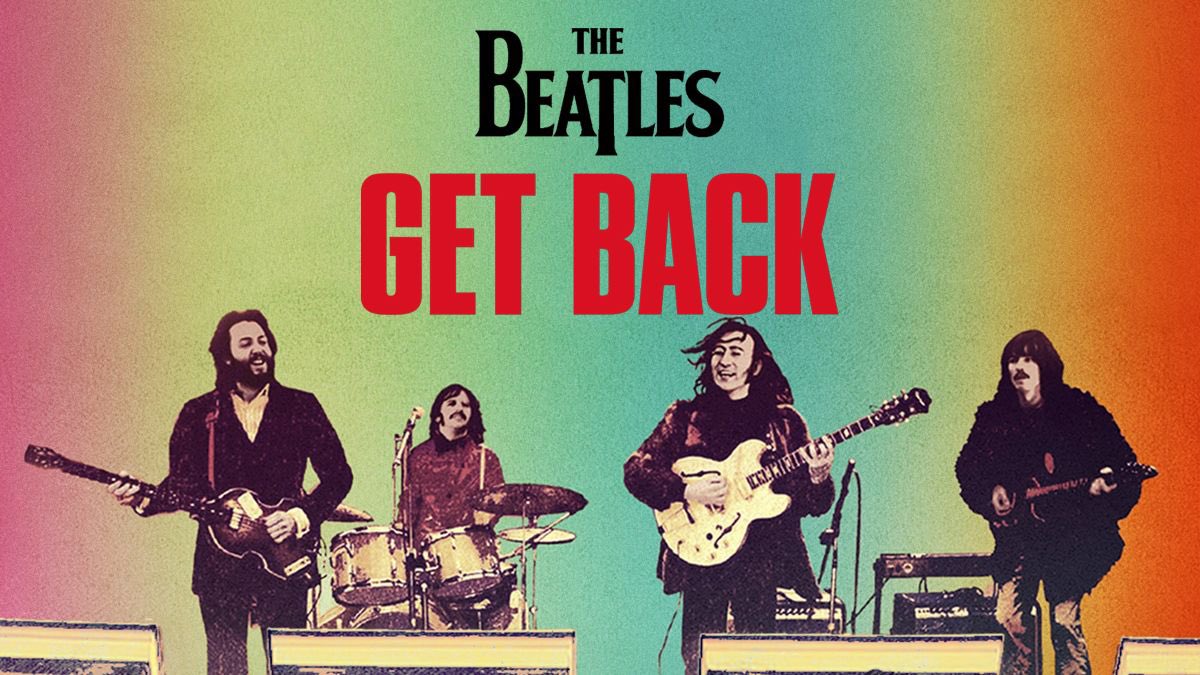
But the boomers? Nope. The world was their oyster. Caught up in the great excited relief after the war was over, everything seemed possible. The world was going to remake itself, to put all that sordid nastiness behind it. The politics of causes began. With a soundtrack. /3 https://t.co/bBzaCQFK0I
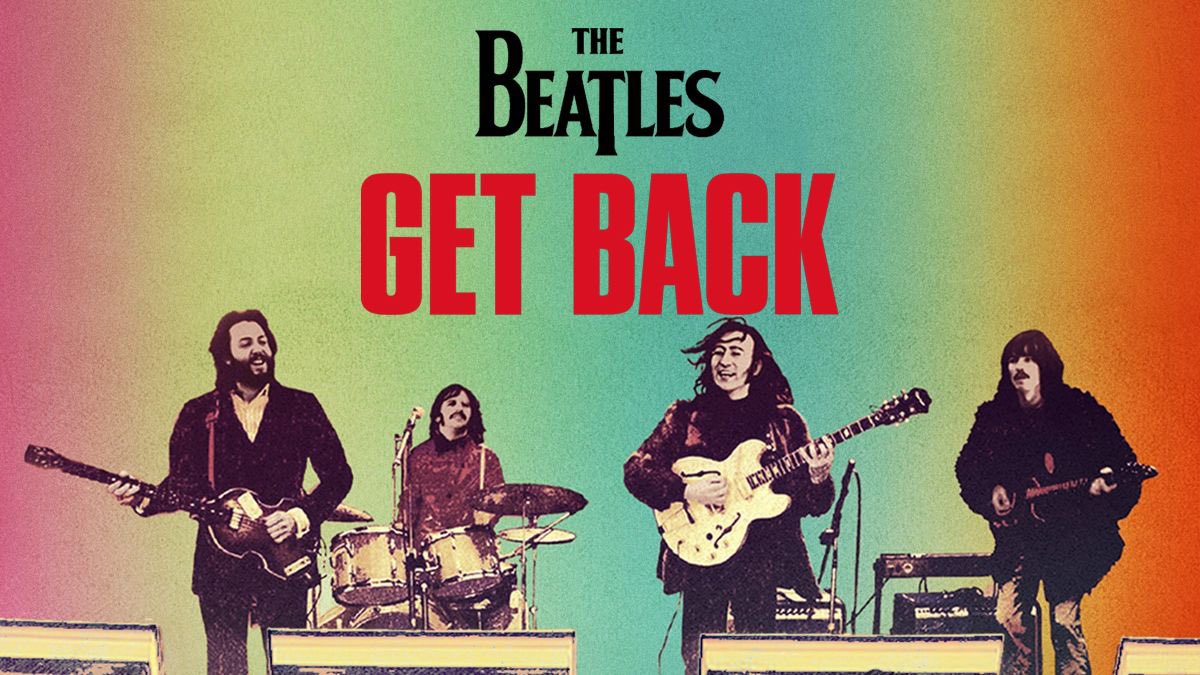
The great philosopher Michel Serres once called that age the ‘age of the shit-eaters’. By which he meant the age of the Beatles (play on words with beetles, who eat shit, if the connection wasn’t clear.) Not because he thought The Beatles were shit, far from it. /4 https://t.co/uMgPLnuoYT
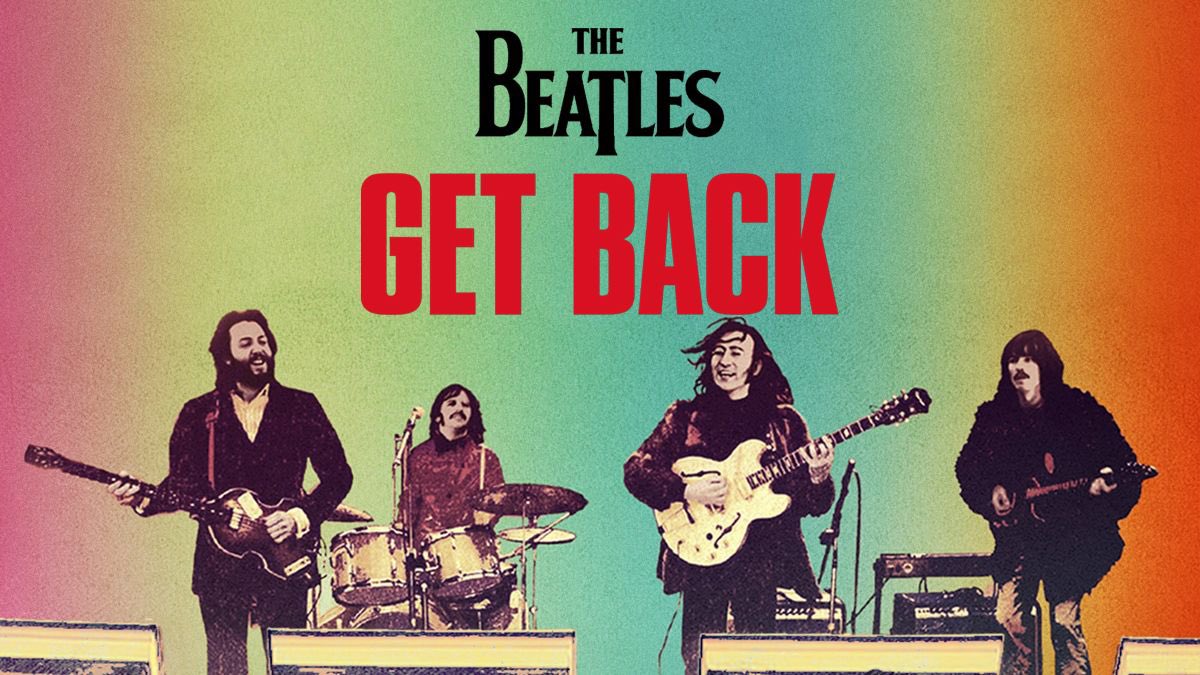
But because he saw a fundamental shift in social models taking form at that time, with music at the centre. It’s still there today. Where centuries of custom and tradition were being swept away in a range of popular fads and fashions, New Age mumbo jumbo and protest songs. /5 https://t.co/mTd3qGXWpT
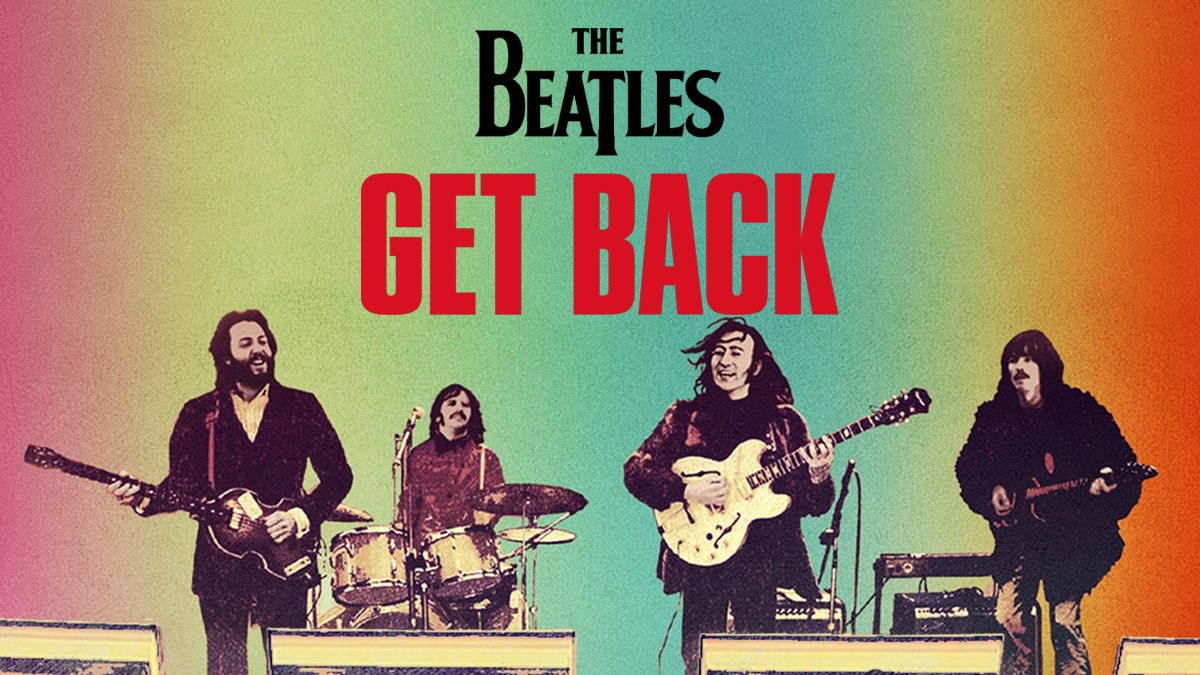
Serres believed music was a very thin gruel to be substituting for the actual physical reality of the time. The iconoclastic wave it began is still with us today, where deep distrust in anything established or institutional is a badge of honour for all sides of politics. /6 https://t.co/094uWCL5cs
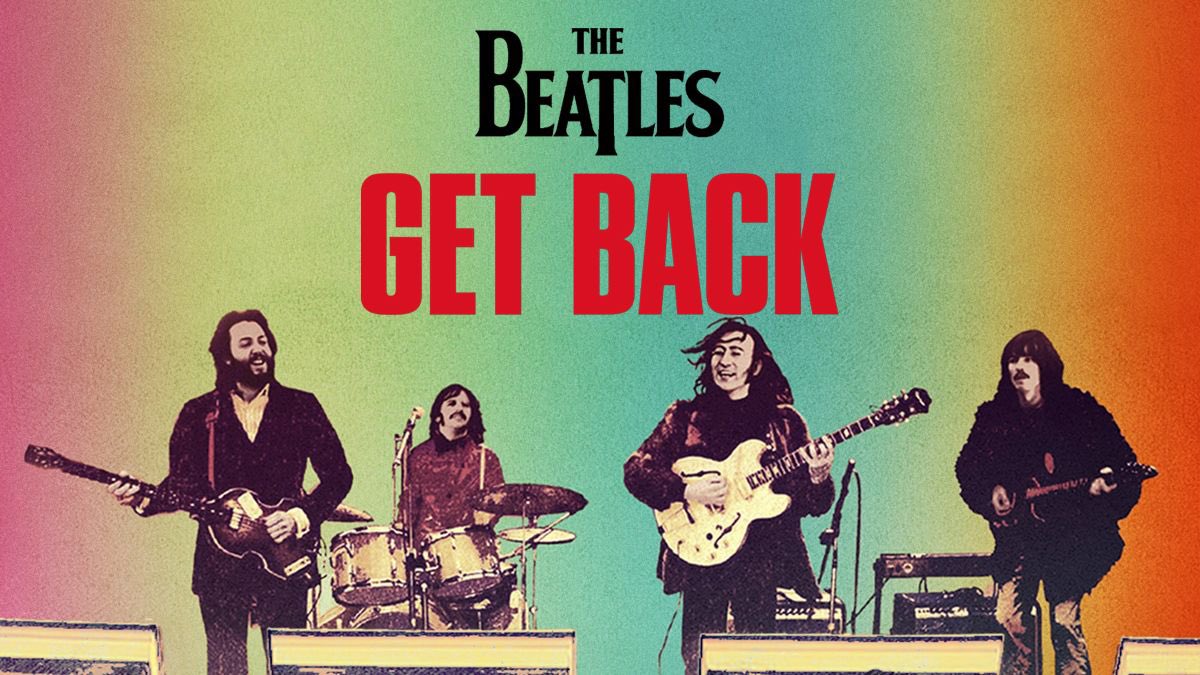
Both sides of politics occupy this same framing, without even realising it. Conservatives want to destroy government, progressives want to destroy monarchy, and also much institutional government. We’re 60 years deep into this iconoclastic movement now. /7 https://t.co/SohZAcVdv0
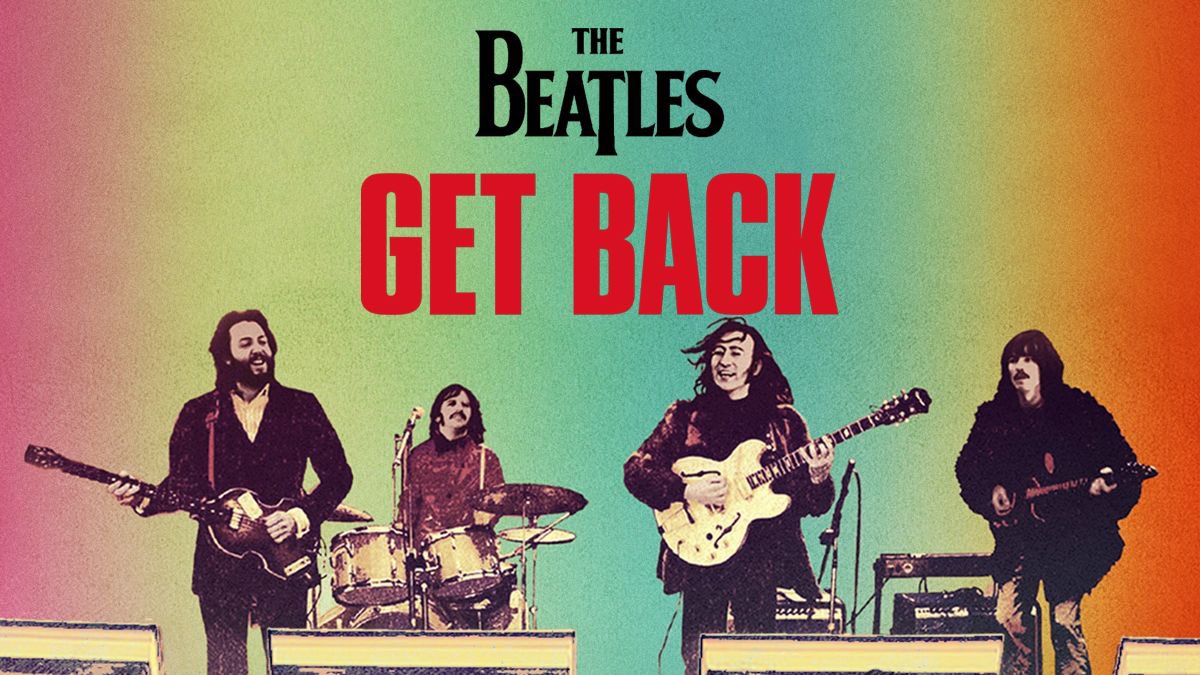
The Beatles are so important to this history because they, inadvertently in many ways, are at the vanguard of it. Beatlemania was a political (and thus social) phenomenon much more than it was a musical phenomenon. It meant something. A big something. /8 https://t.co/4nCfZy6DAB
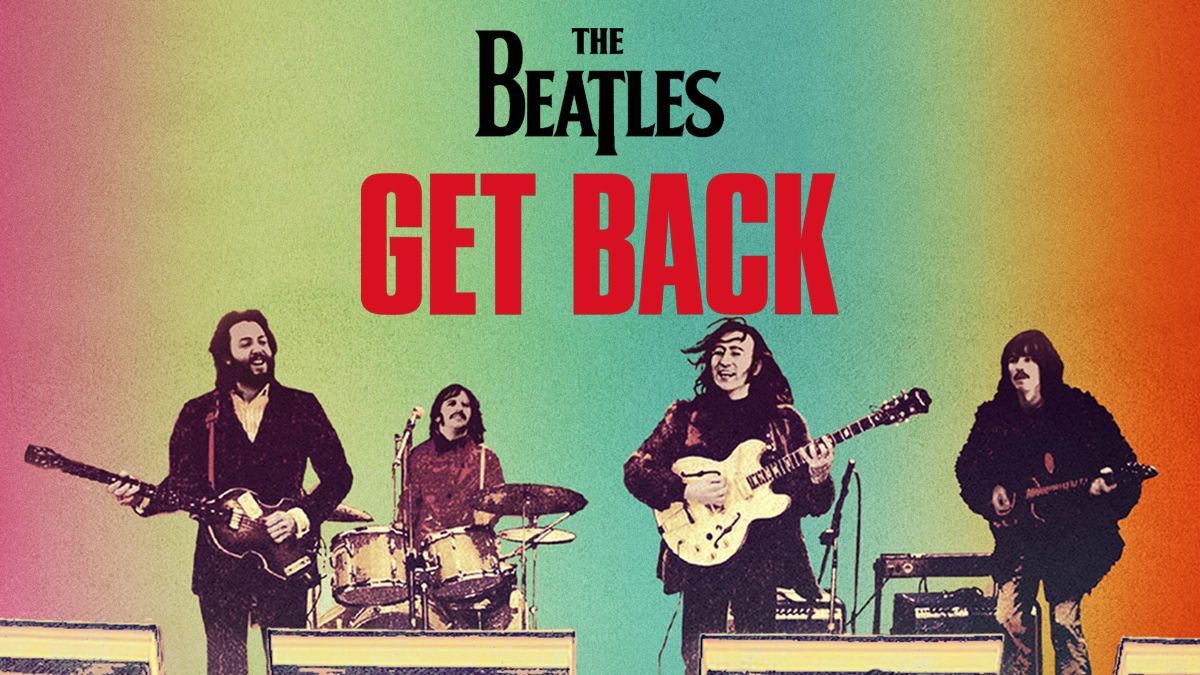
Societies were shifting their focus of importance, to widespread protest and destruction. And yes of course every age has things that NEED changing or destroying. But the magnitude of this was new. And its danger was its origin. Popularity. ‘Pop’ stars led the charge. /9 https://t.co/ANi6hb3Gl2
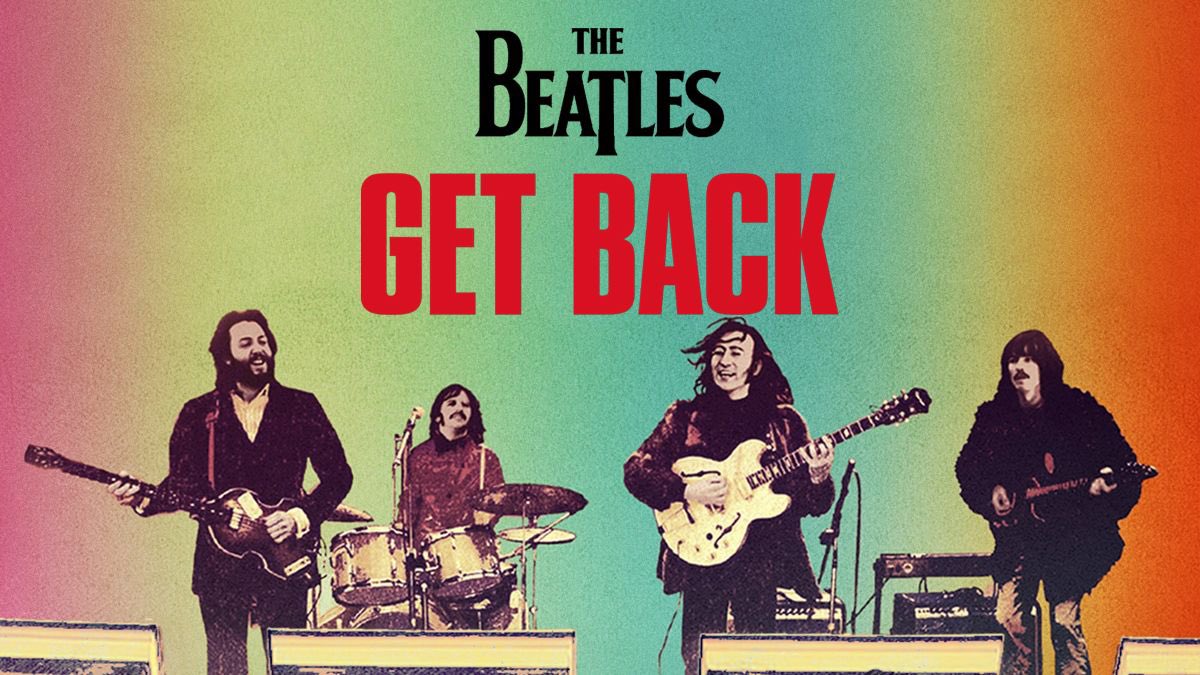
It’s in the name. Pop-ular. You can see this even within The Beatles, where McCartney for example wrote nonsense lyrics, much more interested in the music itself. Lennon was more about changing the world, about ‘meaningful’ lyrics. To this day he gets the plaudits. /10 https://t.co/WneQShd4Mz
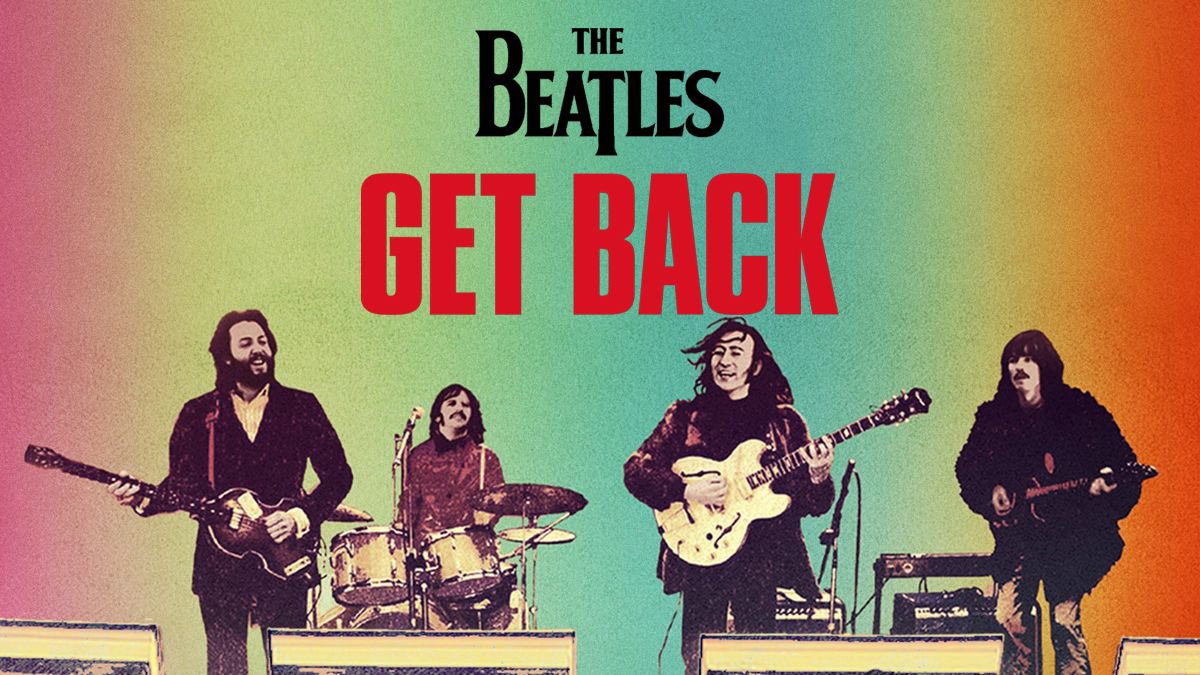
I think that’s terribly misplaced. McCartney’s instincts were much sounder. They were a band, playing songs. They weren’t equipped to change the world. And to their credit, their sense of humour and intelligence never let them get carried away with it anyway. /11 https://t.co/njwrWJ5d47
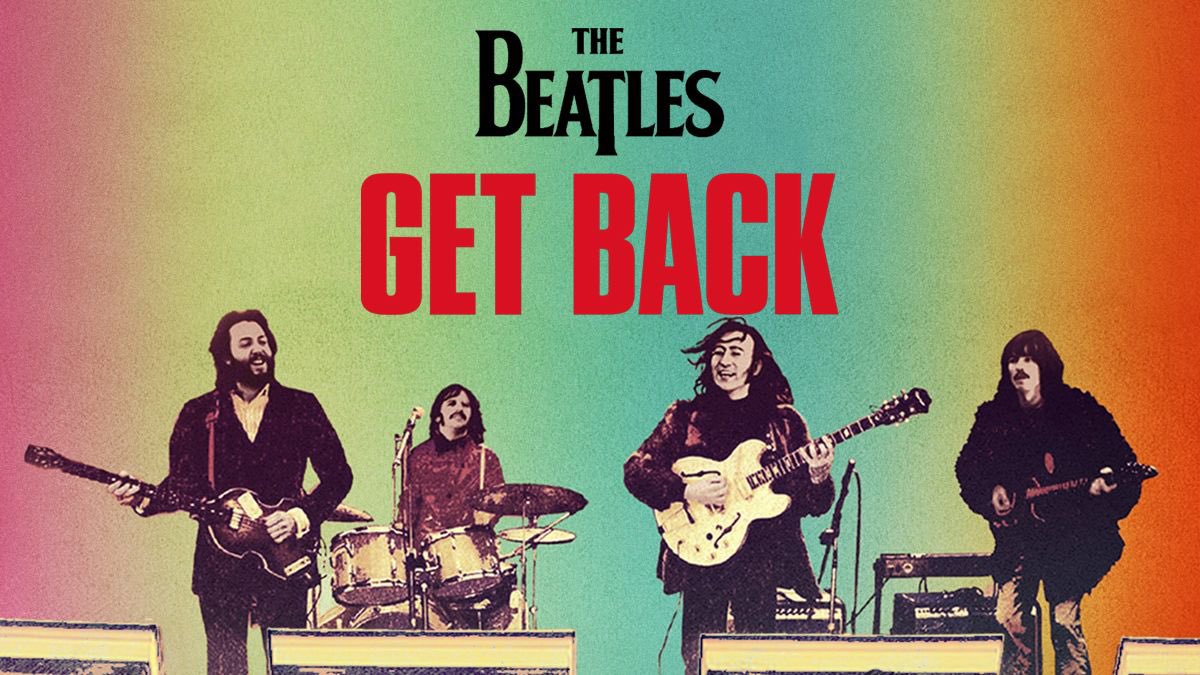
You can see it in the film, where 3 of the Fab 4 mocked their time in India seeking enlightenment. That cheeky, smart humour always brought their feet back to the ground. But the shift was on, socially. And they will always be seen as the advance guard. /12 https://t.co/HKSEpReEqT
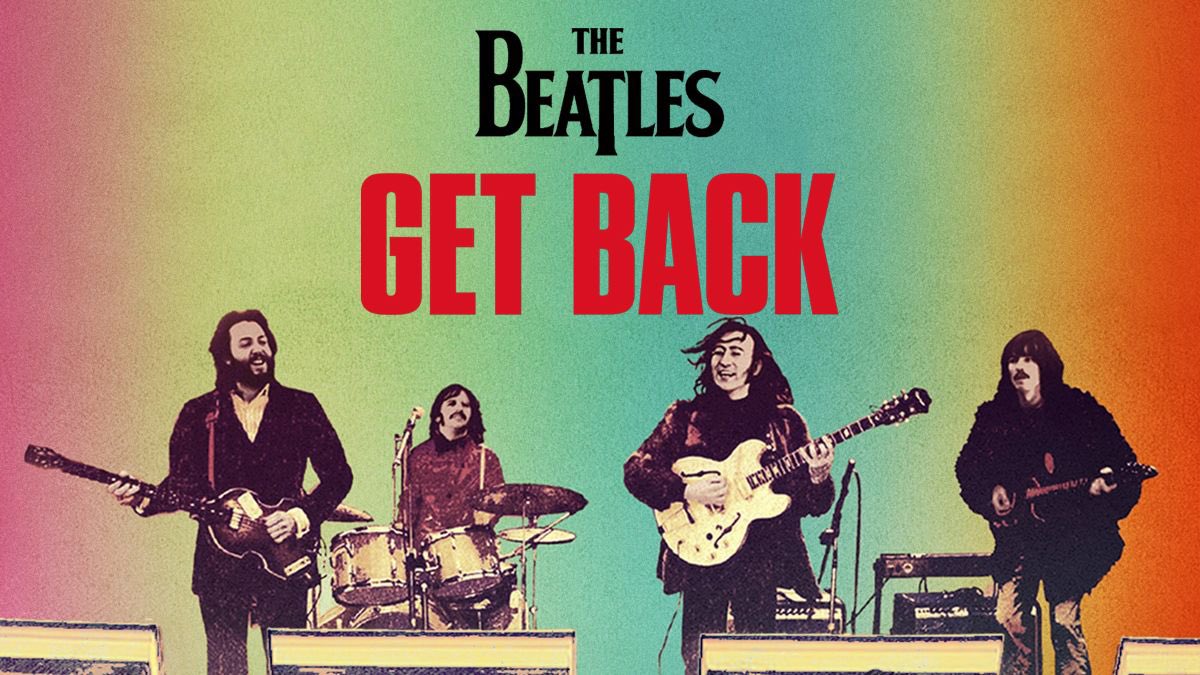
Part 1 of this thread talks a bit about how these ideas failed even inside the band itself. The idea of them all driving the band (like ‘the people’ in our ideas of democracy), ‘down with hierarchy’, led to their destruction. Fabulously wealthy and successful, and broken. /13 https://t.co/fK7fcSM4YW
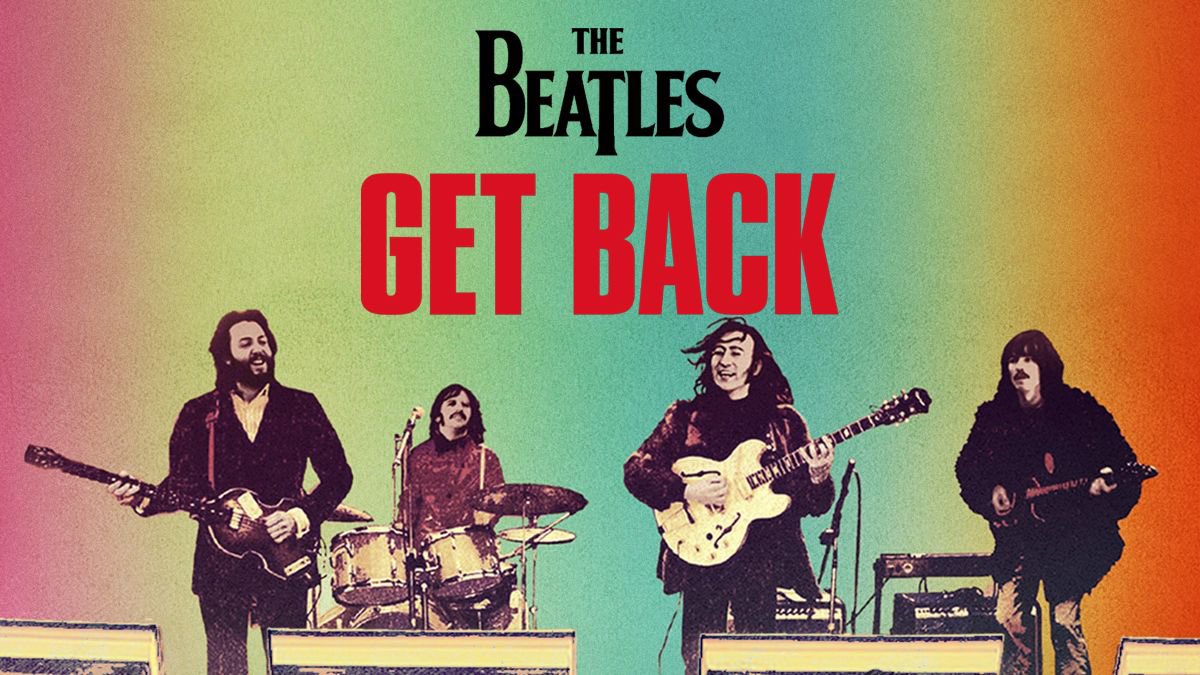
If that doesn’t describe our societies right now, I don’t know what does. /end https://t.co/Cy3VkaiCuR