If you follow urban design, ‘place making’ is a hot thing. The deliberate design and making of ‘place’. This…
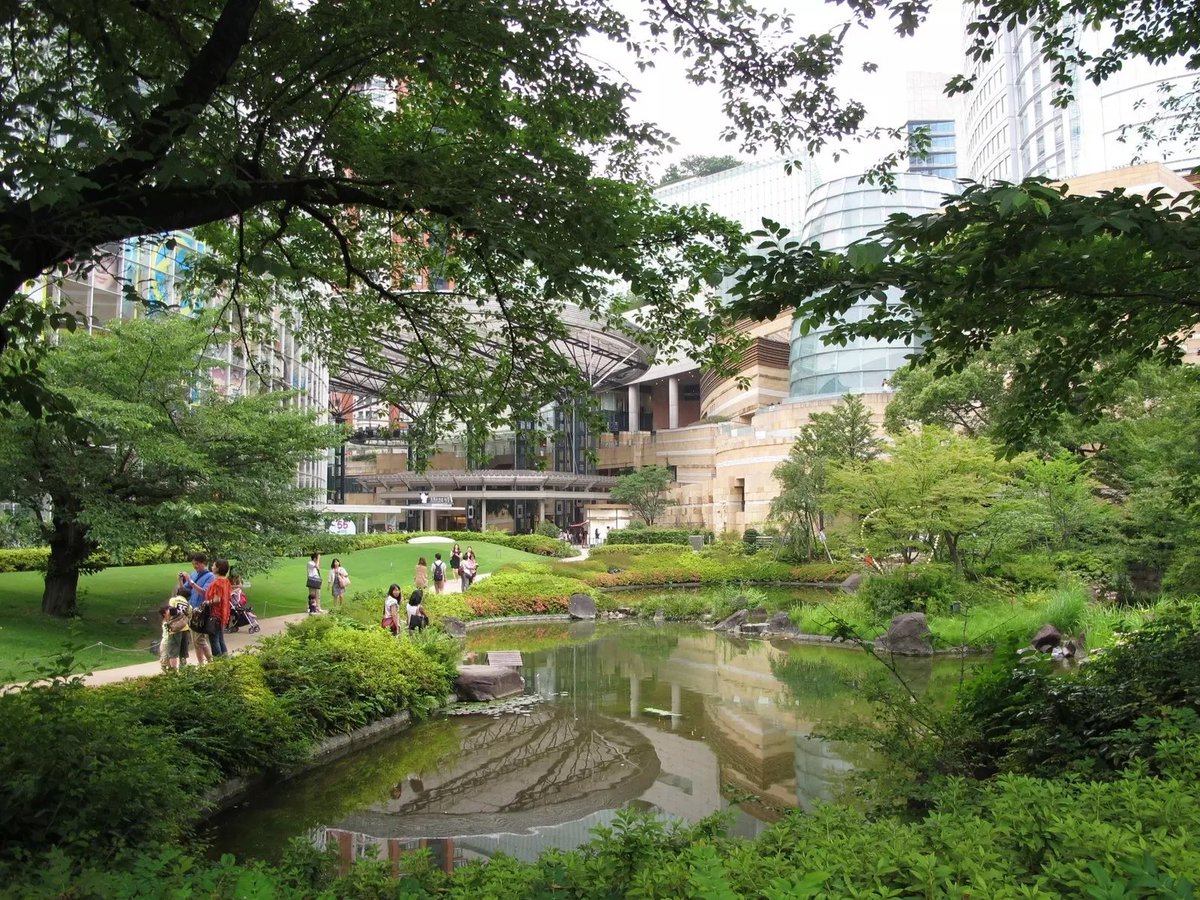
If you follow urban design, ‘place making’ is a hot thing. The deliberate design and making of ‘place’. This is Roppongi Hills, an urban development in Tokyo. Why this matters, a lot, for Covid too. As children of empire, we have a very specific relationship to place. /1 https://t.co/pXUbK9EpIL
Empires accumulate places. They’re fundamentally un-grounded. It’s like collecting stamps, we accumulated territories, and then once the empire is in place we travel through these territories, accumulating ‘sights’. ‘Sight-seeing’. That’s what our travel obsession is. /2
“The Big Lap” is the domestic equivalent. Utterly unable to understand any relationship to land or place since the day we landed here, huddled on the coast where we fly in and out in increasingly obsessive amounts on OS holidays. We compensate by big laps, accumulating sights. /3 https://t.co/zneokQR3Cr
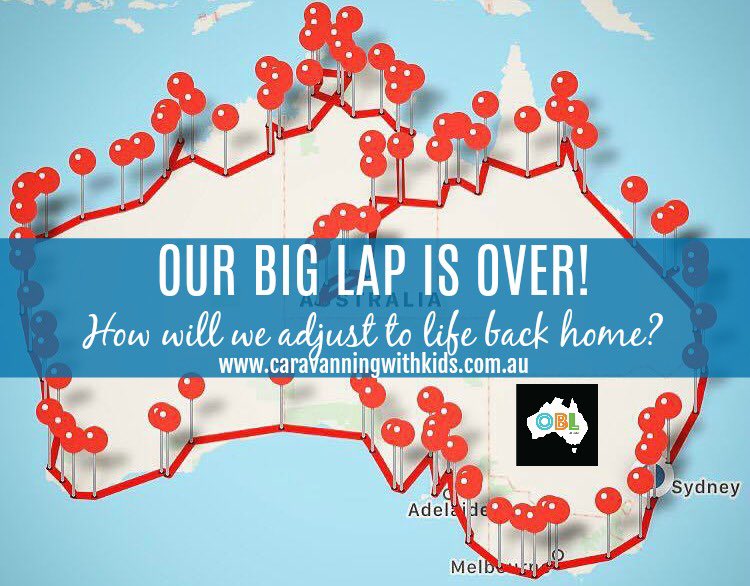
Thinking we can find some connection to place by seeing lots of places. It doesn’t work, zero multiplied by any number is still zero. I don’t think it’s remarked enough how much the Big Lap expresses our true malaise. The same malaise that makes us obsessive about travel. /4
Our empires became economies, which were really nothing more than a logical extension of the same process. To mobilise people and resources, allowing the accumulation in the centres of power and wealth. The global ‘market’ is an empire on steroids. /5
A market allows for no groundedness, no place or person is permitted any identity except as a ‘resource’ for the economy. For the market. That’s what ‘globalisation’ means, stripping away even nation states, in favour of ‘economic’ mobilisation. /6
Why does a person do a Big Lap, or travel OS continuously? They’ll tell you: to see the sights, to learn etc. Rubbish. I mean they are doing those things, but the true desire is much deeper and unsaid. Empires and economies have no concept at all of HOME. /7
The deepest concept in all of our history, which we transformed into an address. A point on a map, maps used to undertake the same mobilisation our empires and economies needed. It’s the same process. Travelling madly around the map won’t connect you to place. /8
We’ve seen this with Covid, the fight over working from home. The economy will not allow ‘home’ to have any real agency. It builds roads and other transport networks, obsessively, to ensure people cannot get attached to place. Home is the most revolutionary act, today. Place. /9
And therefore why place-making is interesting, as a shift. Place is back, we’re rediscovering it. Calling out the authoritarian world of the car, which bulldozes its way through every place and can only be resisted with a true fight. Reclaiming roads and streets for people. /10
Not as nowhere-spaces that act only as corridors to move people and resources somewhere else, for the economy. Watch the anger people feel even at basic roadworks, when their hurtling car is interrupted for a moment. The overwhelming desire to just move, to smash through…/11
…all opposition, that the economy induces in us. Children of empire, still infected by imperialism, disguised as travel brochures. Home is the revolution we need. To rediscover place. ‘Streets as Shared Spaces’, as Covid triggered even in NSW. /12
https://t.co/qYwK1ZgA3C
Even in the heartland of let it rip in Australia, the pandemic opened a window to this shift. Watch the fights in local communities as the forces of the economy clash with this new focus on place. And don’t be fooled by one other thing. /13
https://t.co/GWR8JSqIEW
The framing of this as about ‘local and global’. That’s an invention of empire, of the economy. Have Tweeted before that the distinction is a myth, the global is not added up locals. The economy invented that to minimise place. Remember Juukan Gorge? /14 https://t.co/ztR0fGwXfA
Notice that sacred Aboriginal places are not ‘local’ places. They’re universal places, that’s why they’re sacred. You don’t need to have 500 Juukan Gorge destructions to make it a significant event. Not 500 ‘local’ events. Local is just code for ‘not important’. /15
It’s the geographical equivalent of a minority. The global is the majority. Pure economic/empire politics. You’re all just insignificant places on a map. The same myth that drives people to think they need to accumulate lots of views, through protest or petitions. /16
To bring about change. The economy wants you to believe you’re just one tiny insignificant thing, that only by accumulating lots of other insignificant things can you even get its attention. Look at Juukan Gorge. Our own places should be like that. Not points on a map. /17
The most disgusting violation of this pandemic is the invasion of our own places, with a virus that was controllable. Now our own domestic universes are the scene of the fight with the virus. We privatised the lockdowns. Our greatest risk now is our own loved ones. /18
Children infecting parents and grandparents, partners infecting each other in shared beds. It’s the most outrageous violation, it should make us absolutely furious. Remember that SARS-Cov-2 itself was the product of the destruction of the places of other living organisms. /19
It’s a zoonosis. All of this is the same process, the destruction of place, of humanity’s most sacred foundation, by an empire-cum-economy. Watch this shift back to place-making. Be part of it. ‘Home’ is your most revolutionary act. It’s universal, not local or global. /end