I’m a big fan of what the Teal independents are doing. But wary we’re not understanding what’s going on here.…
I’m a big fan of what the Teal independents are doing. But wary we’re not understanding what’s going on here. As we’re seeing in the UK right now, when popularity-based politics inevitably fails, it’s usual attempt to keep going is to just diversify the popular choice. /1 #auspol https://t.co/Tv4VOUmYDP
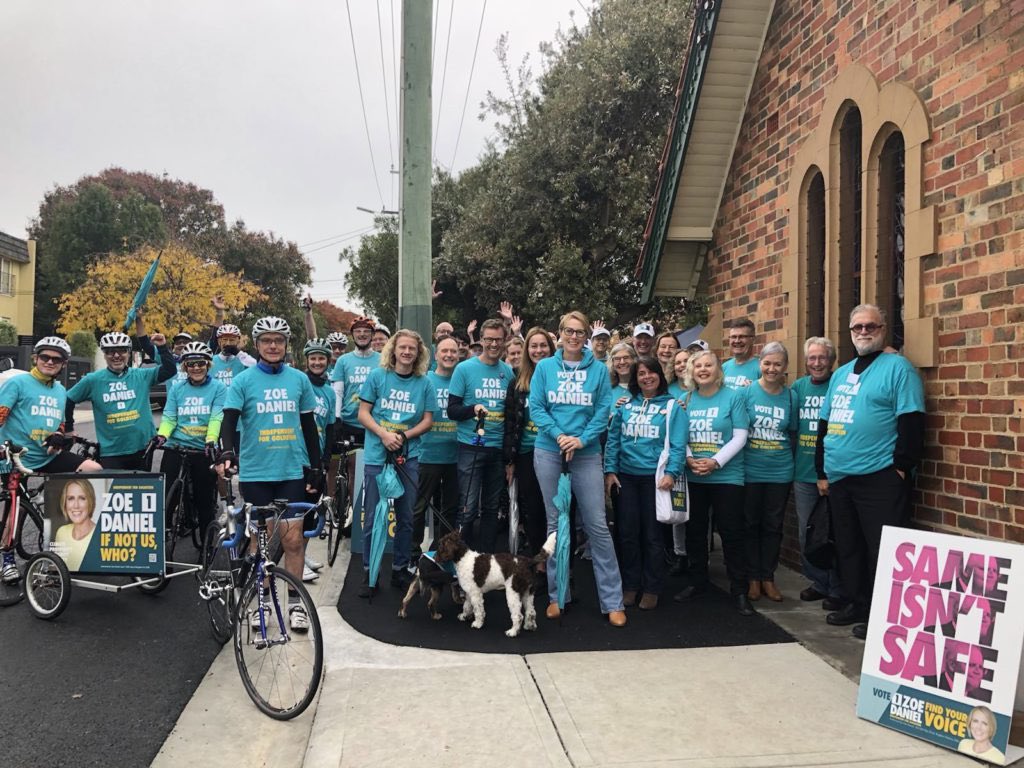
When our democracies start to fail we’re like a dog going back to its own vomit, thinking the answer is to elect better people. We ignore that trying to solve complex problems by picking the most popular person to do it has no actual logic. There’s nothing, not one thing,…/2
…that links those two things, expertise and popularity, in any necessary way. A footy team that’s popular but which never wins is a bad football team. Coming back to independents in politics, we get periodic waves of enthusiasm for independent candidates. /3
They appeal to the unpopularity of the existing populist muppets. It’s a shifting of our popular allegiance, like we shift brands of soap powder, or musical artists. Lots of talk of ‘representing the people’ better, but we should again be wary that what we might actually be…/4
…seeing is just one more basic piece of the populist machine. The constant shifting of popularity. Peter Andren was an immensely popular independent for the seat of Calare, as an example. Also a highly principled and competent politician. But the secret to his success? /5 https://t.co/8clUnbYCe6
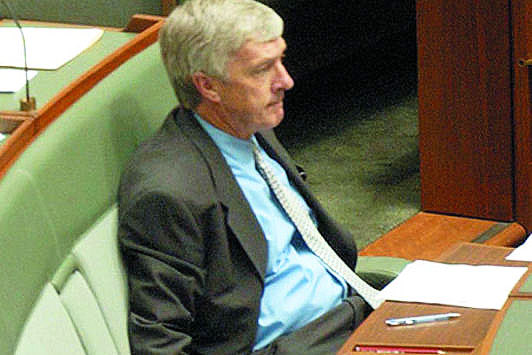
He was the local TV newsreader in the seat of Calare for years before entering politics. People knew him, liked him. He was popular. Since his sad passing, Calare has reverted to a safe Nationals seat, showing no sign at all of any remnant passion for a different politics. /6
With the Teals, maybe cars are a good way to see how the European model of a greater number of independents is really only one more permutation of populism. Take the classic Oz duopoly, Holden v Ford. Like LNP v Labor. Blue and red. /7 https://t.co/d2FPLs3PHE
For years this was the shape of the Australian car market. Most Australians bought a Holden or a Ford. Not everybody, but most. Fast-forward to today, what are Australians buying now? A whole range of cars, from a range of manufacturers. /8 https://t.co/5lJRJBJd2a
There is no duopoly left. Popular choice has fractured across a whole range of different options. Like it has for soap powders and liquids, for example. Actually many of these brands are made by the same manufacturers, as is also the case with cars. And now also with politics. /9 https://t.co/35C26HIicF
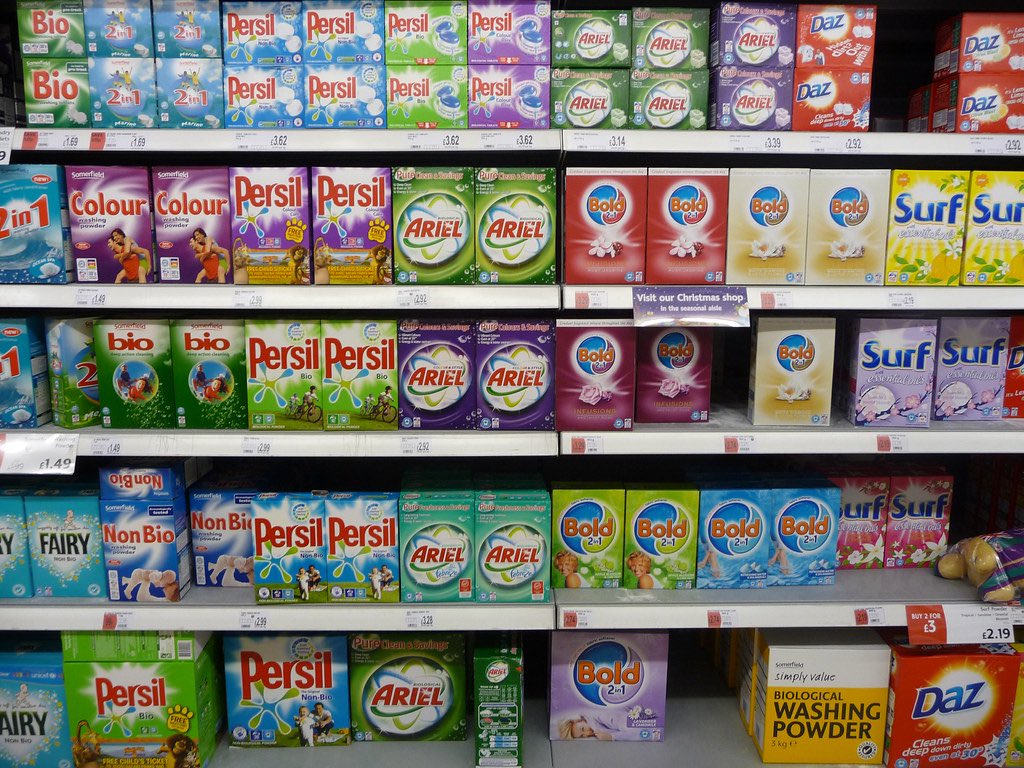
One of the oldest tricks in the marketing playbook is to diversify the sense of choice, but to keep the same underlying ‘market’, so that people will feel like they’re driving the whole show through their choice of product, even if they’re all made by the same companies. /10
I’m not saying at all that what’s happening in politics is us being played, that some mastermind is ‘manufacturing consent’ by offering us a greater range of options to vote for, while leaving everything else more or less the same. We’re doing it ourselves. While we stick to…/11
…the idea that popularity is democracy, this will be the inevitable outcome. As it is in commerce, with soap powders and cars, also based on popularity. The expanded number of independents in a parliament doesn’t represent any fundamental shift in the way populism works. /12
It’s the natural evolution of all popularity-based processes. To diversify the popular choices available. To save democracy we need to bypass popularity entirely, not diversify it. As with Peter Andren, or before him Ted Mack, little lasting change is brought to politics by…/13
…brief flirtations with diversified choice of who to vote for. Voting is not democracy. Populism has made us think that, but it’s just factually incorrect. Democracy is rule FOR the people, not BY the people. Rule by the people is only a popularity contest. Eternal school. /end