There’s a secret love affair between Covid and the Economy. An incestuous one. Both are exponential…
There’s a secret love affair between Covid and the Economy. An incestuous one. Both are exponential functions, they’re siblings. Why the Economy refuses to fight the pandemic. Short thread to explain this idea. /1 https://t.co/1Ab04DnZId
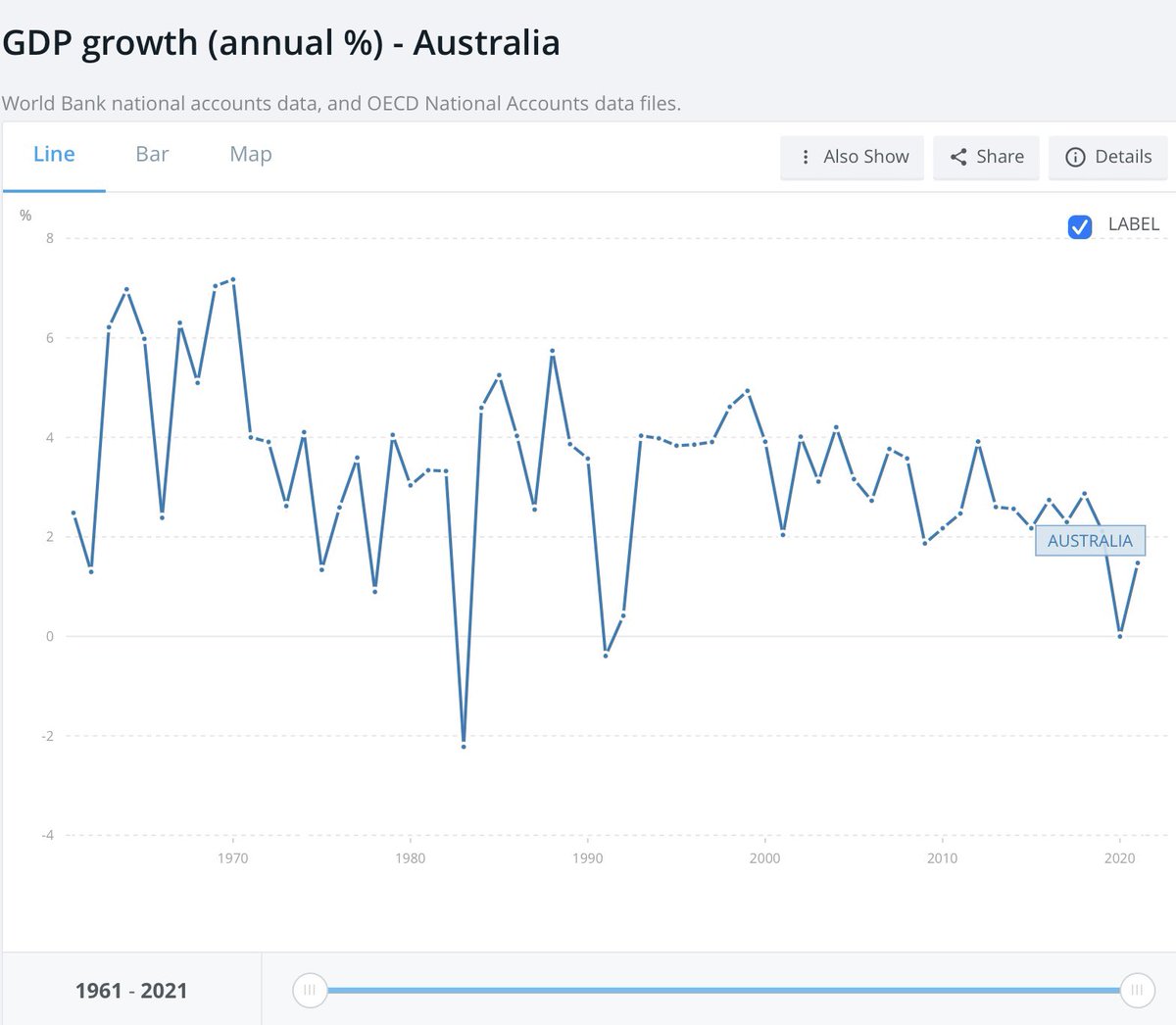
This is the history of GDP growth over the past 60 years in Australia. A proxy for the ‘Economy’. (All things about the Economy are proxies, because it doesn’t exist.) See that up and down, recurring pattern? It looks a bit familiar, like an epidemic curve. Not a coincidence. /2 https://t.co/4u7oOfXbhq
All ‘economic growth’ is exponential growth. Even a 1% compounding return on a child’s saving account is exponential growth. We base our entire society around an exponential function. I thought of this in recent days because of stories about how Australians need to keep their…/3
…nerve with their superannuation investments, that you have to think of the ‘longer term’ in your investment decisions. There will be ups and downs, the wisdom goes, but in the longer term, it’s all up. Unfortunately, as the GDP shows, that’s bollocks. /4 https://t.co/XnhbRRgldK
It’s an infinite epidemic of booms and busts, fortunes and bankruptcies, while you retain an exponential growth function as the engine room of your society. But society has figured out one way to moderate this roller coaster. It’s called existential disaster. Wars and plagues. /5
Have a look at GDP across the entire last century in Australia. Before the big world wars, there’s that cycling boom and bust, very dramatic. But then after the wars, a miracle. Decades of continuous prosperity, with only one bar below the line. How did we do it? /6 https://t.co/pHVroK7WMs
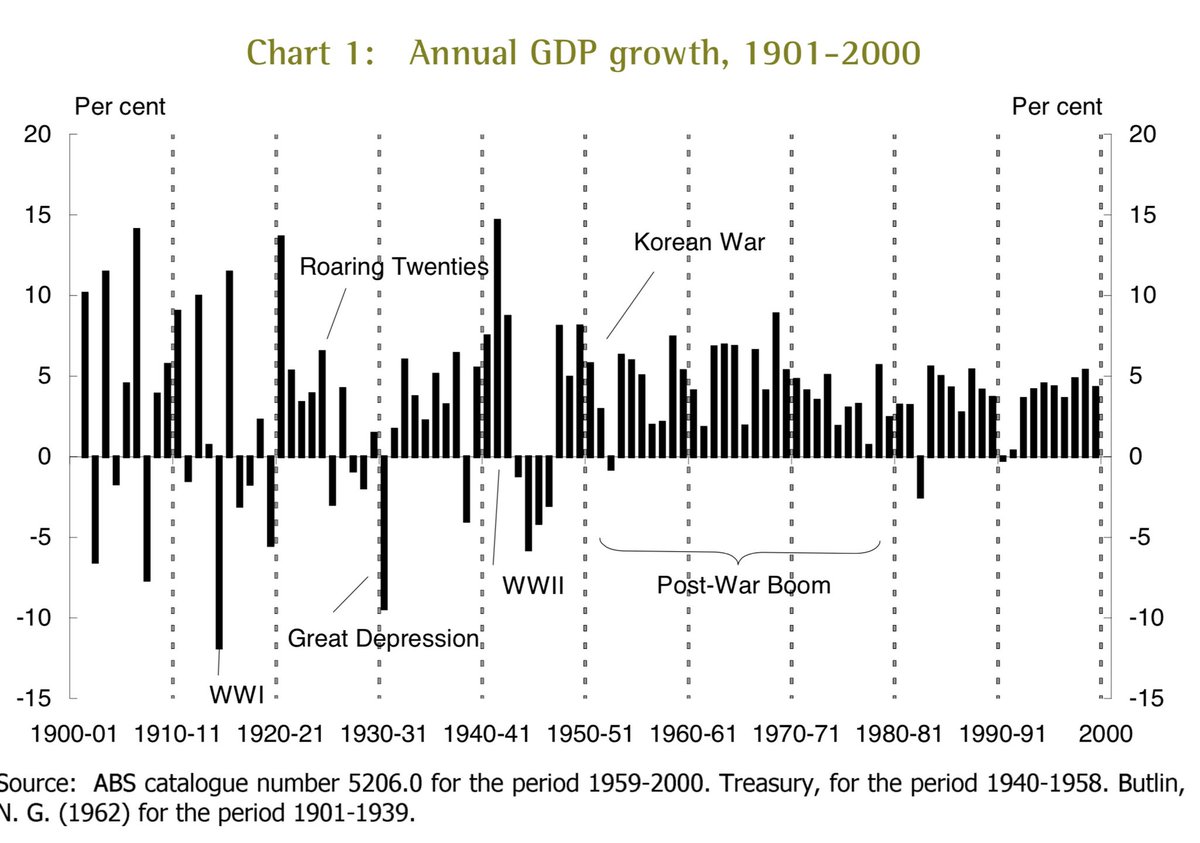
We did it with massive collective intervention. By governments. Fuelled by their massive war efforts, the legacy industrial capacity from the wars was turned into the production of peacetime goods. Society discovered by accident that massive collective mobilisation, massive…/7
…INVESTMENT, to some great extent tames the economic epidemic curves. Welfare states in particular, huge redistribution mechanisms to level out some of the booms and busts. You can’t ultimately tame an exponential function, the first graph shows you still get booms…/8 https://t.co/8dmZhjE5Xu
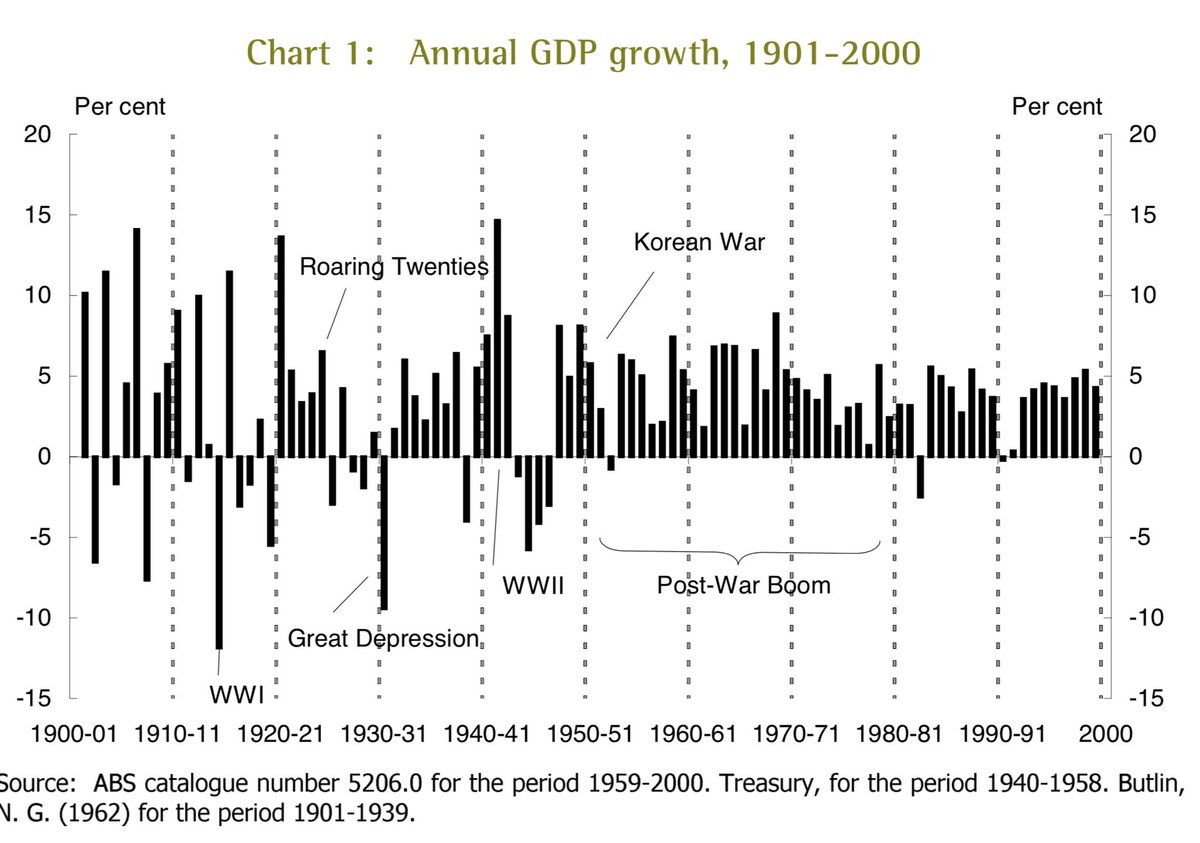
…and busts. But they’re mostly above the zero line, GDP slows rather than declines. So…lessons from this pandemic? In Australia, the ‘lockdowns’ were akin to the big wars, with big government intervention. Deeply alarming to the political libertarians… /9 https://t.co/7uu1qVLB2v
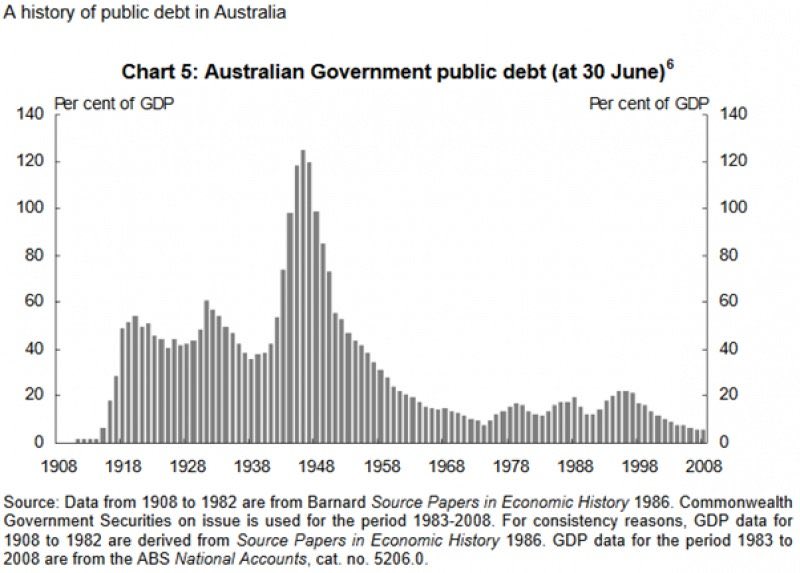
…and not surprising at all to the economic historians. Still much lower spending than in the wars, and with death rates now equalling or exceeding those of both wars. The need is obviously there. And public investment needed should fuel another few decades of prosperity. /10 https://t.co/JqgjdE4A13
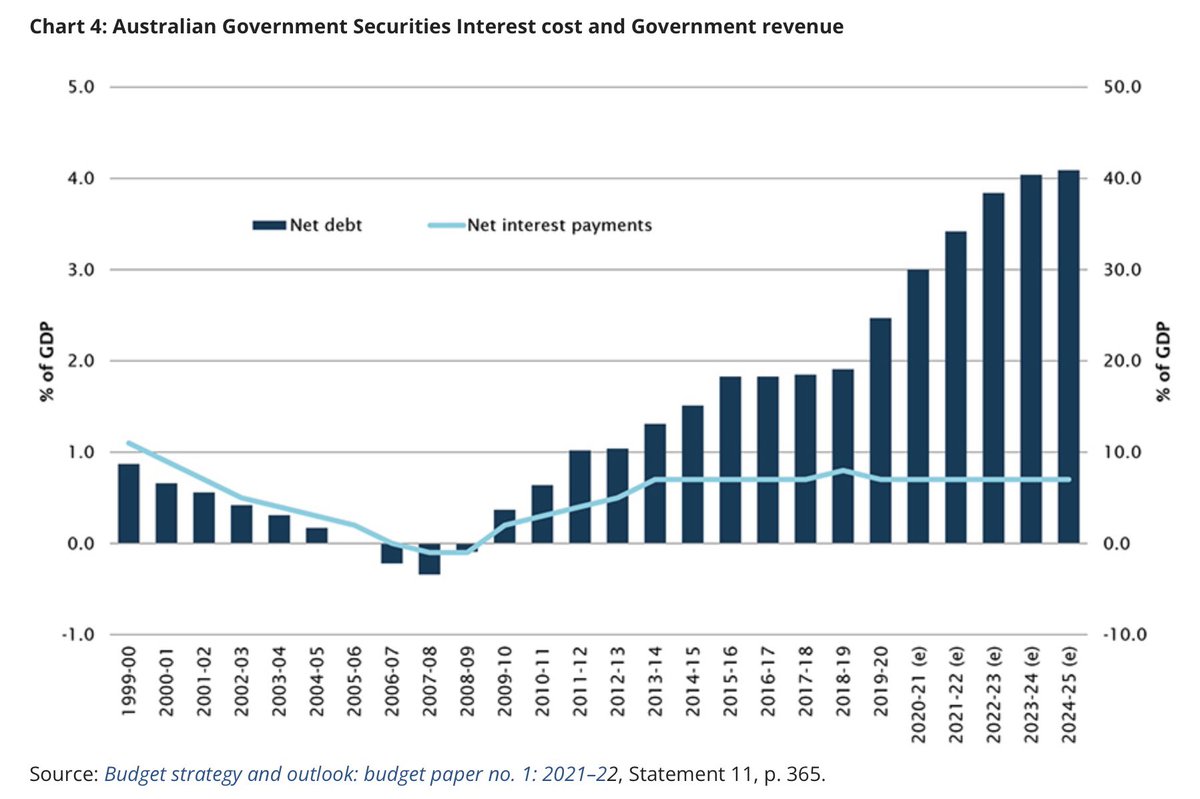
But I’m less confident that will happen, with the political libertarian/neoliberal fantasies in dominant position. That framework of lunacy sees all this investment as a dire, State-sponsored assault on our freedoms. As always, they love to free ride off the good times, off…/11
…past massive public investment, and then circle the wagons around their accumulated wealth when the next exponential existential disaster hits. We could abandon exponential functions as the basis of a society altogether, but until we do it will need recurring catastrophes…/12
…to force changes as we saw after the wars. Whether we get that correction after this catastrophe will also depend on whether we stop the bloody catastrophe. We’re not seeing much appetite for that, from behind the circled wagons. /end