Severity is the magic key that unlocks all of the politics of the pandemic. Using polio again as example,…
Severity is the magic key that unlocks all of the politics of the pandemic. Using polio again as example, which was mostly mild, in the majority of people who contracted it. Covid the same. But both are public health emergencies. /1 #COVID19 https://t.co/PlhsecDduJ
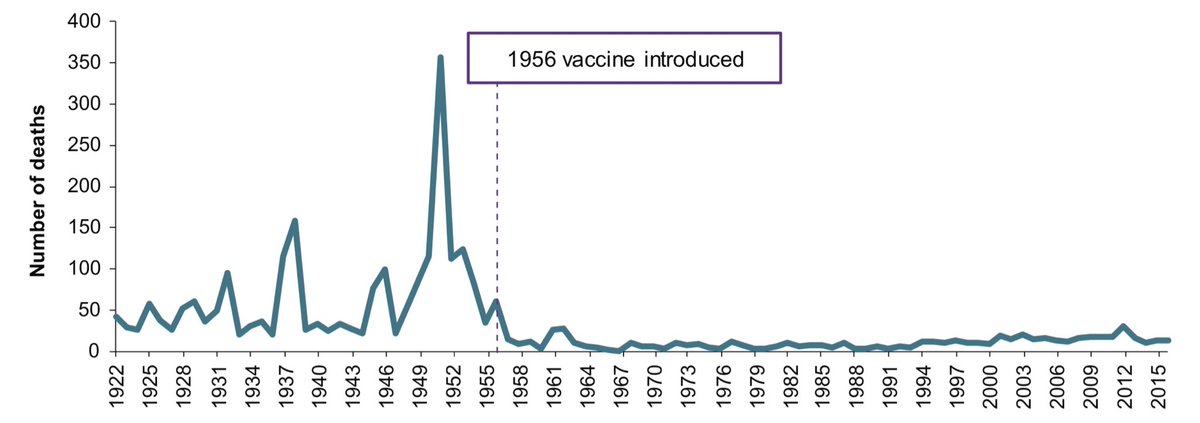
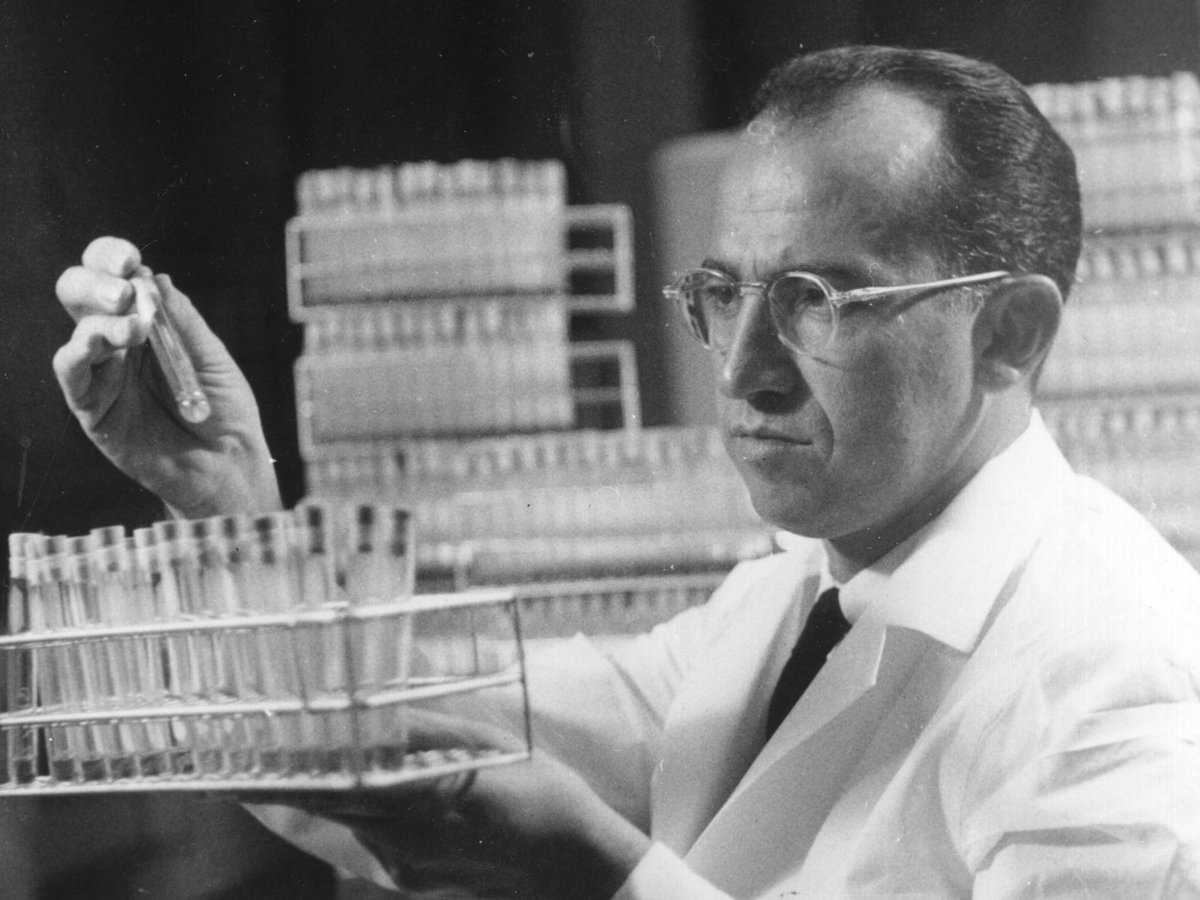
Those early 20th century deaths from polio in Australia were low, many more people likely died from falls, or car accidents. And yet polio was a global health scourge, for thousands of years. Salk was a global hero when he developed an effective polio vaccine. Why? /2 https://t.co/hn38ElhWzr
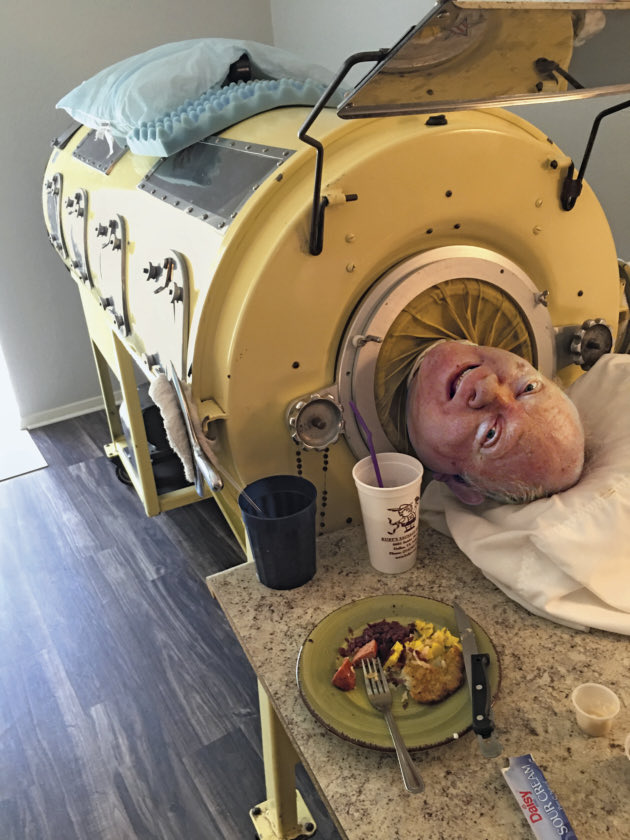
It’s a bit sad that we even need to ask. People saw that tiny few who suffered terribly from and even died from polio, often children, and saw it as a tragedy. If they survived, a life in an iron lung? Horrible to even think about. /3 https://t.co/QSDNseth4o
And this is where I think severity is a window into 2022. Because libertarians define severity statistically. How many people get severe illness, how many die. Not the fact that people die, or get seriously ill. How many. Not the fact it may be children, either. Accountancy. /4
Not a tired narrative about bean-counters, but about individuals and communities, and how their relationship is understood. Because despite the rhetoric of libertarians about the primacy of individuals, they mean a statistical individual. Not a living, fleshy individual. /5
This is the crazy paradox of libertarianism. Promoting itself as being about individuals, but reducing those individuals to statistical, featureless points. Severity is how many points are impacted, not the impact on a given individual. /6
The barely-concealed lie of political libertarianism is that those who advocate for it do actually cherish that fleshy, lived reality of actual individuals - themselves. That’s the individuals they look after. The rest of us are the statistical points. If billions of…/7
…individuals have competing interests, as they inevitably will, what will decide it is the statistics. Majority rules. The majority is the libertarian substitute for the community. This is what populism is, replacing community with the majority. (Also what we disastrously…/8
…think democracy is, showing just how successful libertarians are in framing public discussions). So if a ‘minority’ of people develop severe Covid, the disease is ‘mild’. Compare that to pre-libertarian times, with polio. As above, nothing to do with how many suffered,…/9
…but to do with the magnitude of the individual (the real, fleshy individuality) tragedy. A *community* (rather than majority) is actually defined around that calculus, of real, individual suffering. Communities look after people because the community defines individuality. /10
A community forms when people think ‘shit, that’s horrible, let’s fix that’, when they see others suffering. ‘We can sacrifice to fix that, if needed’, etc. The essence of community is empathy, where each imagines that suffering…/11
…as happening to them. No statistical summing of individual viewpoints to decide what to do, but a universal humanity residing in every individual. ‘That could be me’. Every individual is a community, because of that universal view they each hold. That suffering…/12
…only makes sense in the context of a community, when they imagine it. The community life being denied that individual, the loves - all socially defined. Majorities and minorities are counting artefacts, not lived realities. There’s nothing to weigh here, or balance. /13
The ‘greater good’ is the universal humanity shared by every individual. Not a count of votes. Democracy isn’t about majorities or minorities, in a counting sense. It’s about prioritising that universal sense of being a person. In a community. /14
In sane societies a majority derives from the universal shared humanity, in each voter, who will then vote for that humanity. Populist libertarians decouple the vote from the humanity, their spin seduces people into substituting sport for politics. Who wins the most votes.../15
…becomes an end in itself. Once the decoupling is done, insert any actual content into the vote that you like, the focus is on the numbers. My side or your side. And govern for the majority. The minority, if only a few get severe Covid - they’re expendable. /end