29 July
29 July · 21:36 UTC
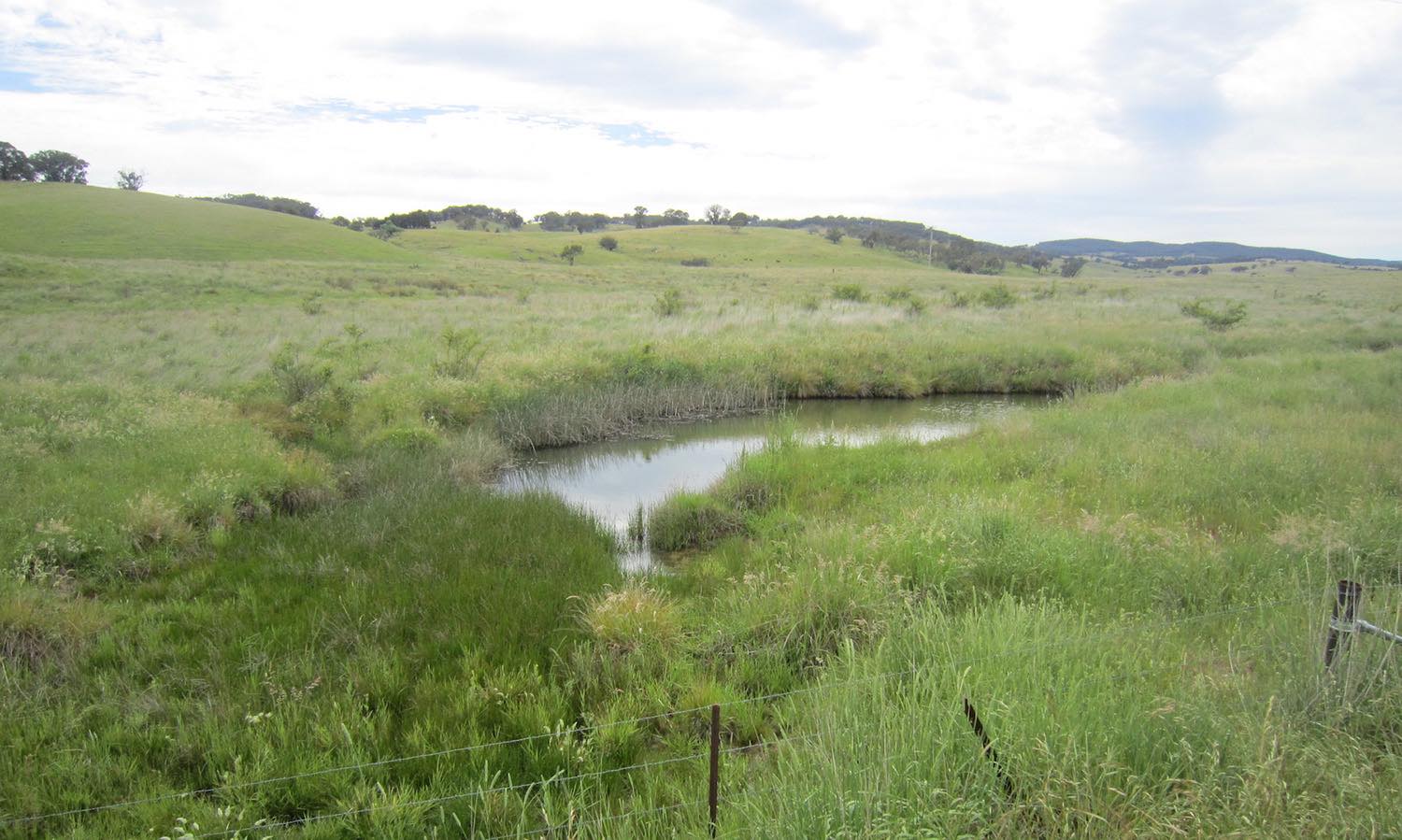
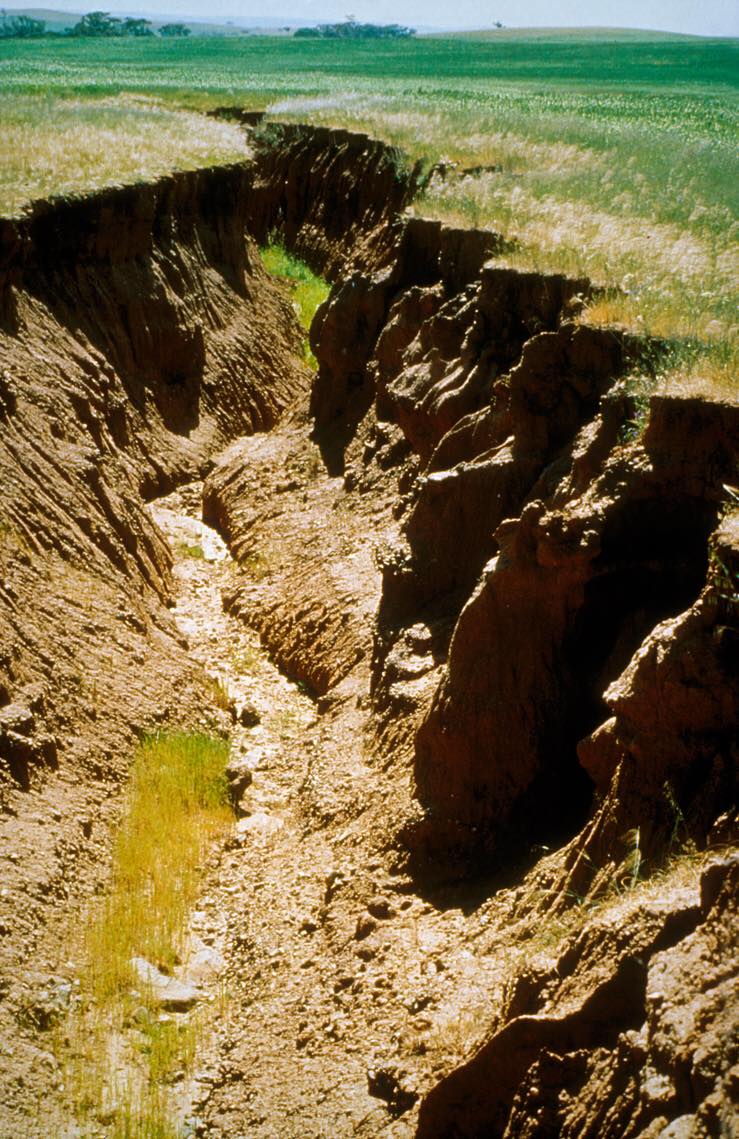
When Charles Darwin visited Bathurst in 1836, he made this fascinating comment about the Macquarie River: "The Macquarie figures in the map as a respectable river, and it is the largest of those draining this part of the watershed; yet to my surprise I found it a mere chain of ponds, separated from each other by spaces almost dry." He'd made similar comments about a river he'd found at Wallerawang. To me this is fascinating because this is how many rivers were in Australia, before European settlement - chains of ponds where the water spread into the surrounding soil and was stored there. Billabongs were also part of these systems. It was European landscape management that converted these chains of ponds, through 'incision', into huge gulleys and flowing streams - basically big drains that empty the water from the landscape (Darwin even uses the word 'draining'). You can still find some of these chains of ponds, but you'll find a lot more rivers, streams and gulleys where water drains out of the land. Europeans have several of their own upstream 'discontinuous watercourses', like swamps and bogs, so it's surprising they didn't see the connection. The answer to our water and even climate change problem is at least partly to re-vegetate the landscape and slow the water down so it can be stored in the soil again.