10 August
10 August · 21:15 UTC
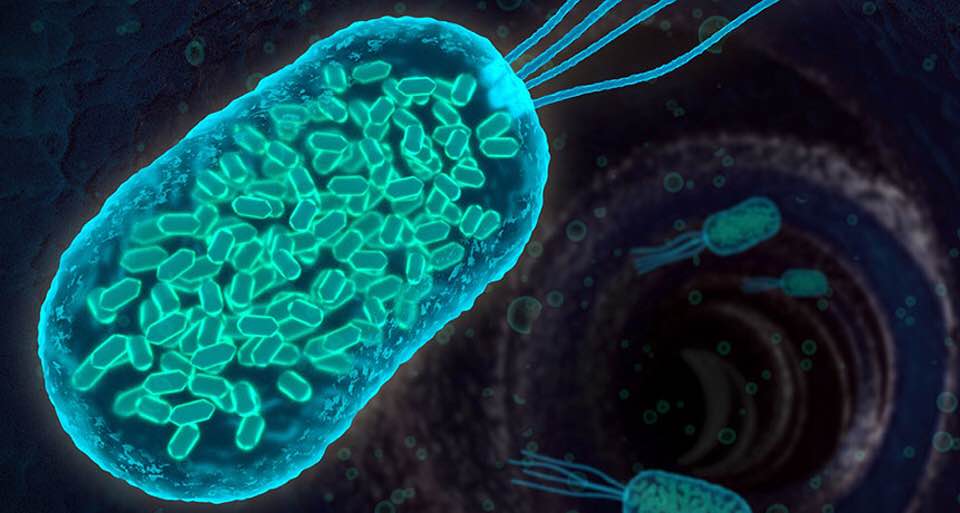
Bacteria can swim like animals, photosynthesize like plants, and cause decay like fungi. One or another of these microbial geniuses can detect light, produce alcohol, waft hydrogen and fix nitrogen gas, ferment sugar to vinegar, convert sulfate ions or sulfur globules in salt water to hydrogen sulfide gas...The smallest of them have a diameter only a thousand times greater than a hydrogen atom...Bacteria have already mastered nanotechnology, already miniaturized, they have control of specific molecules about which human engineers dream. Far more complex than than any computer or robot...bacteria propel themselves by flagella, corkscrew-shaped spinning protein filaments attached to living motors in the membranes of their cells. Complete with rings, tiny bearings, and rotors, they are called 'proton motors' and spin at around 15,000 rpm...The entire planet is bacterial. Human technologies and philosophies are permutations of the bacteria. Eating, infecting, and irreversibly merging with one another, bacteria spun off powerful new prodigies: the protocists, fungi, plants, and animals - all of which keep alive the metabolism and movement of the bacteria from which they derived. Lynn Margulis and Dorion Sagan, What is Life?