29 November
29 November · 18:55 UTC
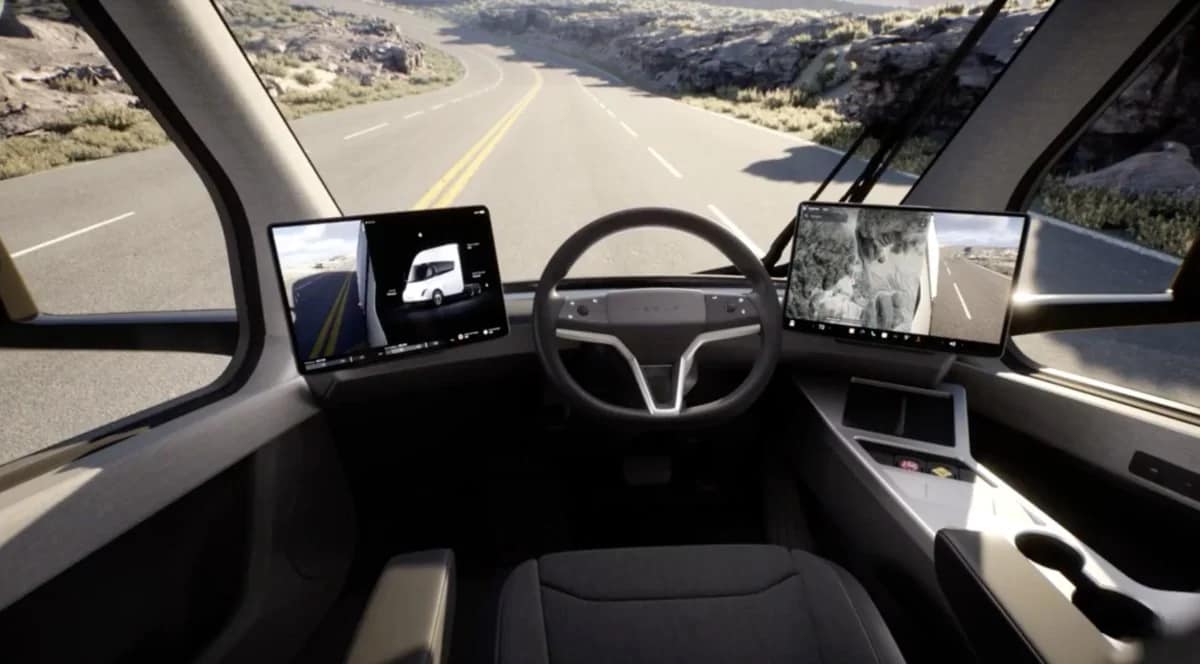
Tesla semi again, so many amazing stories about this one. The engineers designed the truck to drive just like a car, so that (get this) the truck is less likely to disrupt other traffic. They recognised that a lot of road accidents happen with people trying to get around slow trucks. Traditional semis are very slow from a start, say at a red light, and also up hills. Because electric motors have maximum torque from a standing start, this truck doesn’t have those issues. When you hook a 30-tonne load to this truck, the driver doesn’t even notice the load has been added when the truck sets off. There’s no difference to the performance, it gets up to speed the same way as it does unloaded. Traditional semis have 10-18 gears, to get the torque and power at every speed, like I post about a lot (the gears make the engine rev, to get power and torque, they have no grunt at low revs). Not on this truck. It has no gears, because like all EVs it has maximum power and torque at every speed. Also down hills, traditionally dangerous times for a fully-loaded semi, the Tesla truck uses no brakes at all, like a train it converts all of the downhill into energy to recharge the battery. So the brakes can’t fail, it’s not even using any. It’s also just as quick up hills as a car, so won’t hold up traffic. Finally, another window into the detail they went into. The average age of truckers in the US is over 50. A crisis. Normal semis need a lot of practice at double-clutching and gear-changing (you can hear trainee drivers crunching the gears around towns). EV trucks don’t need gears, gears are only needed for weak engines, so there’s no need to train younger drivers in those skills. They just hop straight in and drive.