10 January
10 January · 20:26 UTC
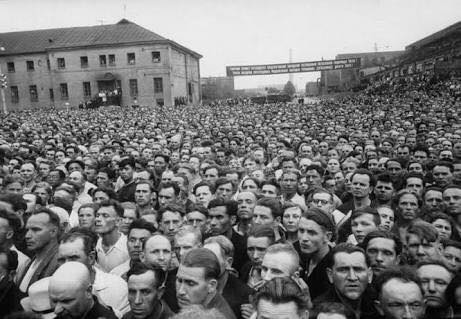
The Big and the Small, Part 2. A crowd, a public, flocks of birds, staff in an organisation. Large groups. A common way to explain these groups or crowds is that the individuals in the crowd each do their bit, and then you add up all these individual bits and what you end up with is a group, acting in some way. The individuals are the small bits, and the crowd is the big outcome - the people or animals are like LEGO blocks, added together to give you a whole. The ‘big picture’ is only at the crowd level. But in reality this isn’t how groups or crowds work. Every single one of the individuals involved has a ‘whole’ view of the entire situation. They all have their own big picture, and use it to guide their actions. When they come together as a group, what happens is that they each decide, using their own big picture, how to act, and what compromises to make with others. The group you end up with is that constant process of negotiation and compromise between all the big pictures. The people or animals are not ‘bits’ that add up, it’s the wrong metaphor. The big picture is everywhere, at every point or level. (I don’t need a link to Python’s “yes, we are all individuals”, they misunderstood crowds too, seeing them as made up of dumb separate bits.)