28 November
28 November · 20:42 UTC
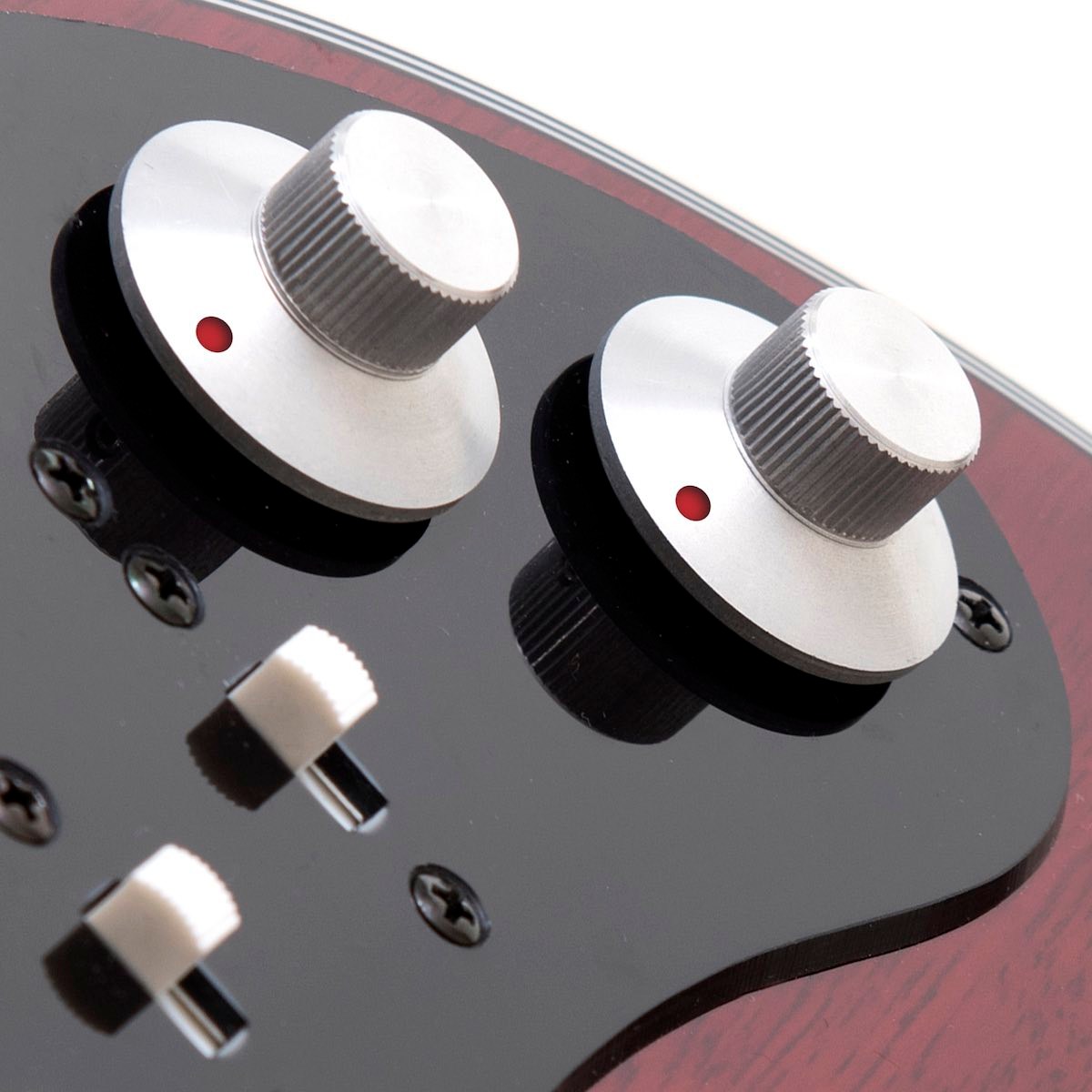
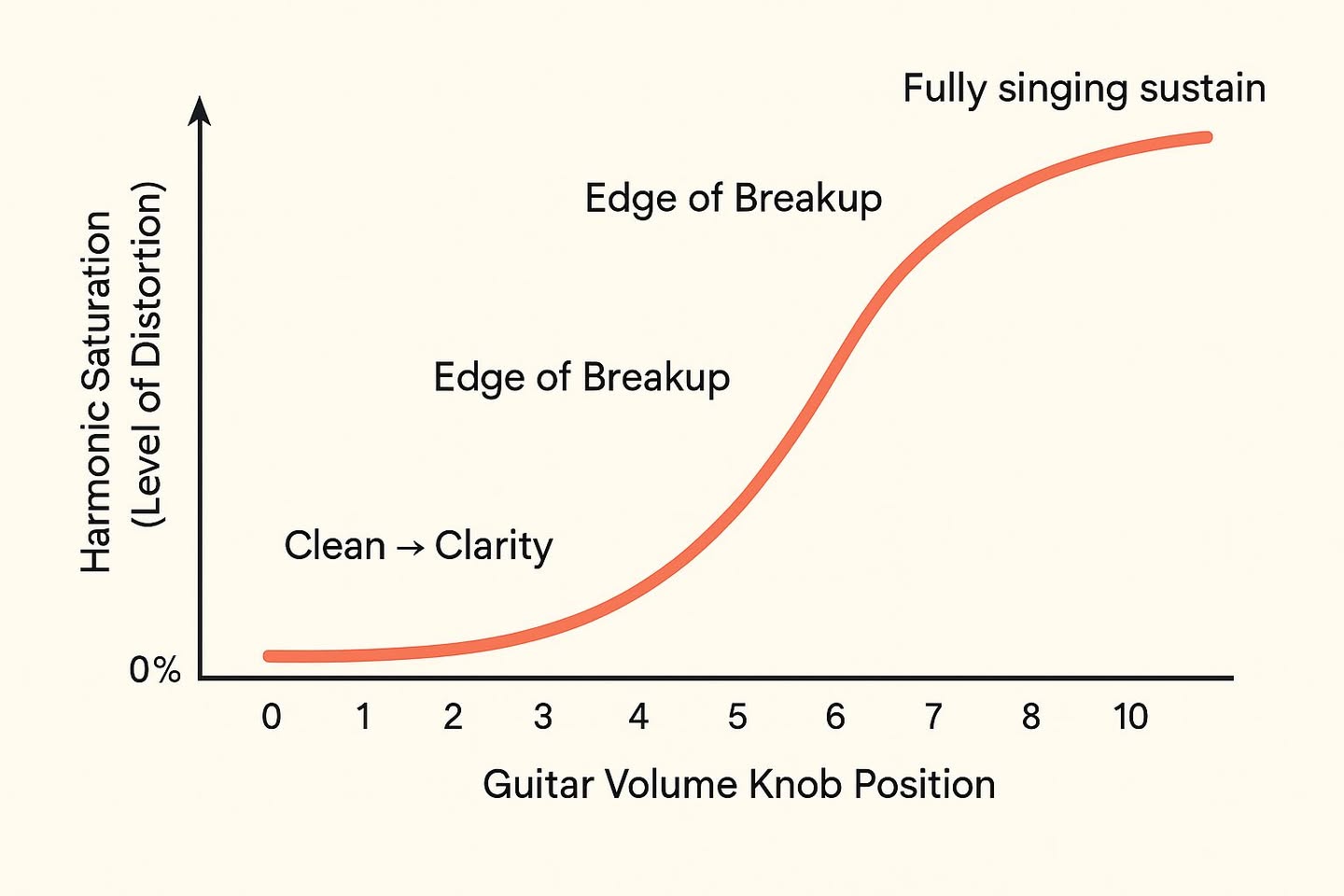
Brian May talks now about being in the autumn years of his life. To me he’s an example of how genius is mostly misunderstood, because that’s what genius actually is - something too difficult for most to understand. (The term ‘genius’ applied to popular things is meaningless - by definition genius will never be popular. It will be incomprehensible to most people.) I could write a book on May’s specific genius, but to be brief - he solved the problem of rock guitar tone. The industry is mostly stupid, so doesn’t understand this, they just call it the ‘Brian May sound’, like it’s a personal idiosyncracy of his, or a new flavour of ice cream. But he solved what seemed the impossible problem, of how to make an overdriven guitar still be harmonically rich, so you could ‘hear all the notes’ even with complex chords, and get an overall harmonic resonance that is beautiful and not jarring, and musical. When you distort a guitar tone, by definition you’re creating a distorted sound. Really those are just extra harmonics being added to the sound, but in an uncontrolled way. You need to find a way to make them *resonate*, harmonically and therefore musically. Nobody had ever solved this, until May came along. It was thought to be impossible. His entire rig of guitar and gear is designed to create a resonant tone, at all stages of the continuum from clean to distorted. See the graph. There are no gaps, all other rigs have gaps in that continuum, and the distortion tends to arrive abruptly and go into mush, that only sounds great with simple power chords. But even more than that (true genius here), to create that resonance in the sweet zone of the human ear, in the voice frequencies of 1-5 kHz. Why May’s guitar sounds like a ‘voice’. The combination of actual acoustic feedback in his semi-hollow bodied guitar, Tri-Sonic pickups on the guitar (resonance ~1.8–2.2 kHz), treble booster resonance (~2–4 kHz), EL84 vacuum tube even harmonics in the Vox amp (2nd harmonic emphasis), and Alnico Blue cone speaker resonance in the Vox amps (~2 kHz & ~4 kHz) creates a self-reinforcing harmonic bloom — the guitar seems to “come alive.” You can’t achieve that plugging just any old guitar into a treble booster and Vox AC30 either, it will lack key dimensions of the harmonic resonance. Why his hand-built guitar is so crucial to the full sound. The ultimate visibility of that genius is in how May controls where the guitar sits on that continuum of clean to overdriven, in a particular song. He just turns the volume knob on his guitar. That single knob controls the entire resonant connected architecture, of guitar plus treble booster plus amp. Compare and contrast with the sort of rig many other players use, in the other picture. Players obsessed with gear, and not tone. Eddie Van Halen was a similar great, obsessed with tone and totally indifferent to gear. But May achieved what Eddie looked for his whole life, almost before Eddie was born. I stopped playing overdriven electric guitar because I got sick of the mush sound, losing the distinction between notes in everything except the simplest power chords. And the lack of harmonic resonance, the tone was just ugly, except for harsh metal music. Brian solved that. He won’t be recognised for it because most of the industry is too stupid to ever understand it. And he’s too polite to force the issue, too gentle.