17 December
17 December · 19:43 UTC
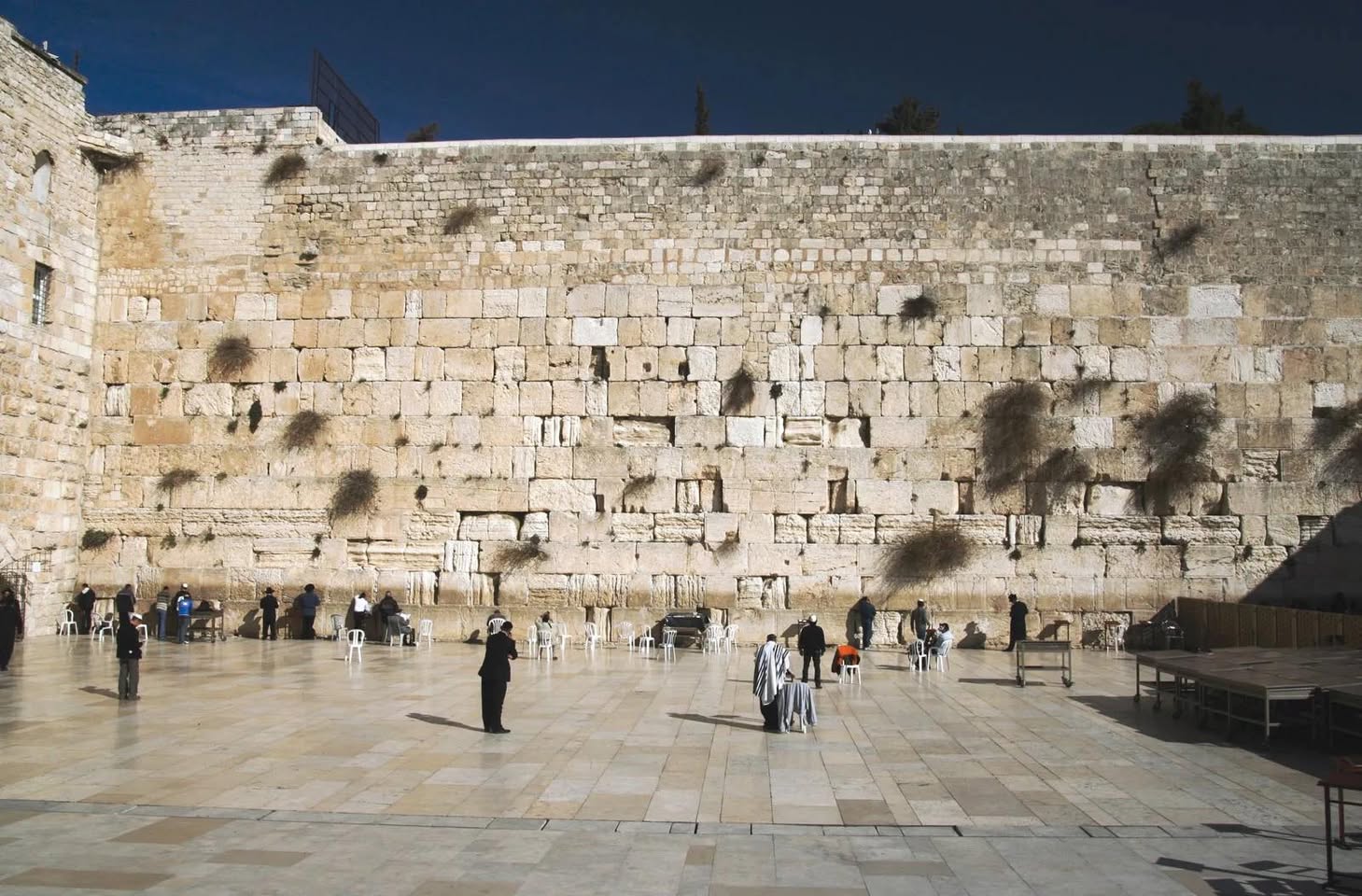
What to do, in the face of horrible events like Bondi this week? To me the answer is always the same. Think. Learn. Don’t try to find a team to ‘stand with’, our usual populist kidult response to everything now. This isn’t a football league. I would encourage everybody to learn more about Judaism, as a first response. Judaism is a tradition almost unique in history, that puts thinking at the centre of human life. Jews love to think, it’s glorious. The greatest respect we can offer Jewish people is to think in return, to emulate them. Judaism historically refuses totalising argument and totalising politics. I’ve used the Western Wall as a picture here to highlight how profound that shift is. (Very happy for my Jewish friends to add depth or corrections to my post!) The Western Wall is the last remnant of the Second Temple in Jerusalem, which the Romans smashed to pieces in the Roman-Jewish war in 70 AD (CE). How Judaism responded to this is historically unprecedented. Rather than try to re-build a Jewish HQ, as it were, a new temple, a new centralised home for Judaism, it decided to decentralise the tradition. To make Judaism itself a civilisational operating system largely without sovereignty. An operating system that opposes totalising in all of its forms. In religion, in politics, in society, a tradition that places the continuous interpretation of Jewish law (the Talmud) at the centre of all life, led by Rabbis, who are like judges in our common law tradition. The Talmud contains generations of Rabbinical interpretation, of the Torah, the first 5 books of the Hebrew Bible (what we call the ‘Old Testament’), the foundation text for Judaism itself. The important thing I think for today’s strife is to understand an essential tension in the heart of Judaism. Between this de-centralised, knowledge-led operating system, and the desire of some Jews to restore some sort of homeland, some form of State, for Judaism itself. Israel. In its stronger form often called Zionism. The current Israeli government is very strongly Zionist, very much about creating a strong Jewish State of Israel, in the way the rest of us live in nation States already. That creates a real tension inside Judaism itself, between the de-centralised, Rabbi-led knowledge society, and this muscular push for Statehood, which is often totalising in its belief and actions, particularly under the current Israeli government. This is hotly debated within Judaism itself. The current PM of Israel is himself under a cloud of corruption, within Israel, and you need to understand how much violation of law is central to older Judaism, and the tension modern populist Zionism (more Trump-like) introduces into Judaism itself. Much of the violence we’re seeing against Jews in the wider world right now is a response to this internal debate within Judaism. A response to the muscular Zionists, rather than Judaism as a whole. And yes, alongside antisemitism, though the Zionists are very keen to evoke that as cover for their actions. I think caution is needed there. It’s not even clear either ‘side’ of this debate within Judaism is right or wrong. Some argue the de-centralised Rabbi-led model hasn’t worked, and Jews need a strong Israeli to survive. That may be true. Or the older Rabbinic tradition may be the more sophisticated and ultimately durable tradition, not basing Jewish survival on the existence and strength of a nation State of Israel, but allowing a more nuanced and flexible Talmud-based operating system to operate anywhere. We have similar debates about the powers of common law (judges) versus populism (electoral power) in other nations.