22 August
22 August · 19:39 UTC
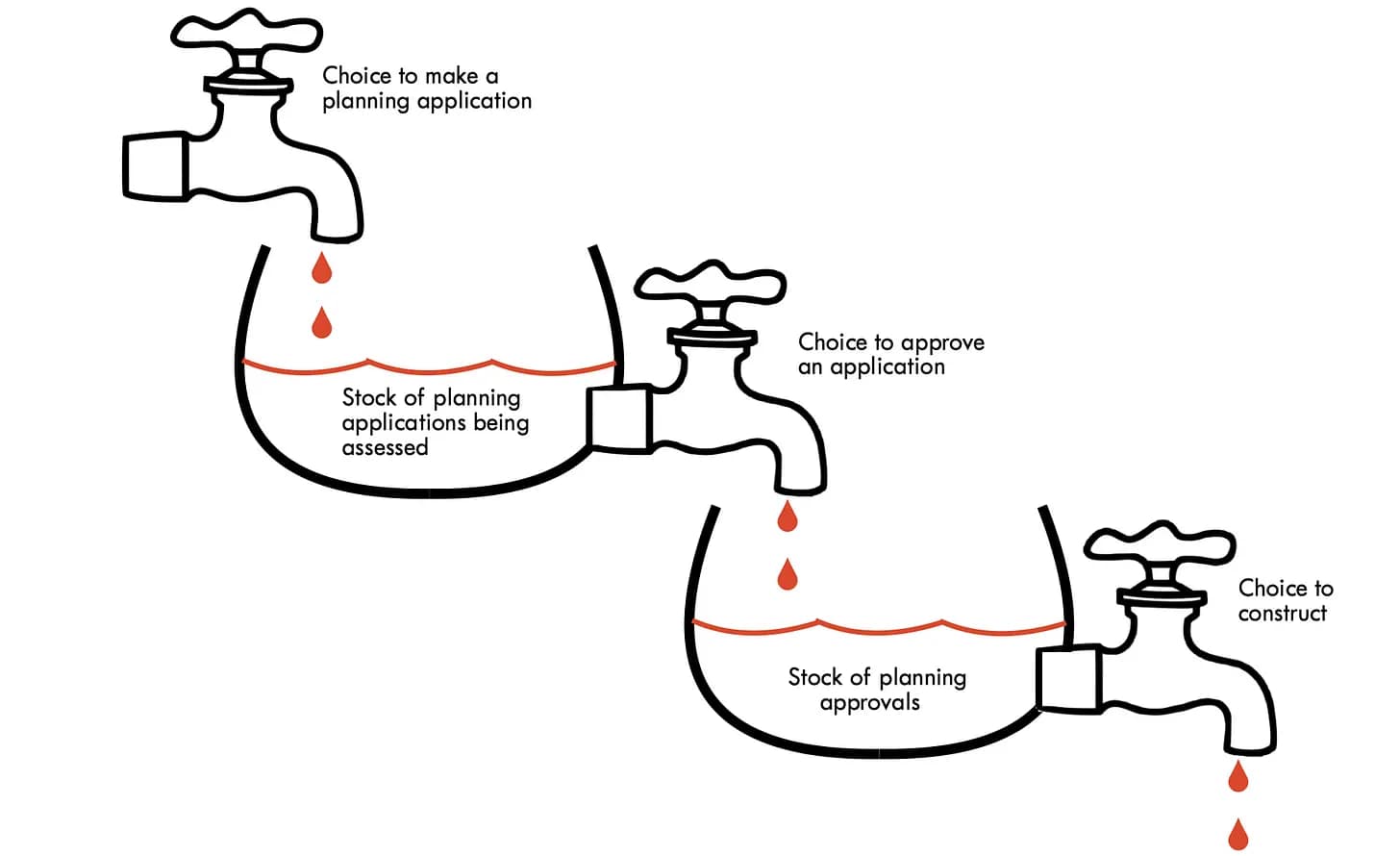
There are many more homes approved than are ever built. In the industry it’s called ‘land banking’, where developers get a lot of building approvals, and then don’t move to construction until they feel they’ll make the highest return. That includes by preventing construction, to keep supply low, driving prices up. And right now at the endpoint there, ‘choice to construct’, there are big shortages of both builders and supplies. In history the only way housing has ever been both widely available and affordable is when this entire process has been managed by governments. Just as they manage water (and have been forced to again in the Murray-Darling, after decades of pilfering by irrigators). And electricty, again notice prices are out of control there, because the industry was privatised. The private sector nearly always runs essential services inefficiently, and causes big increases in price and reduction of quality of service. It’s mostly economies of scale, only government is large enough to create them. It will also pass savings on to the public. Those who don’t believe this need to explain water, and electricity, and housing, clear empirical examples of what’s happened.