2 August
2 August · 20:40 UTC
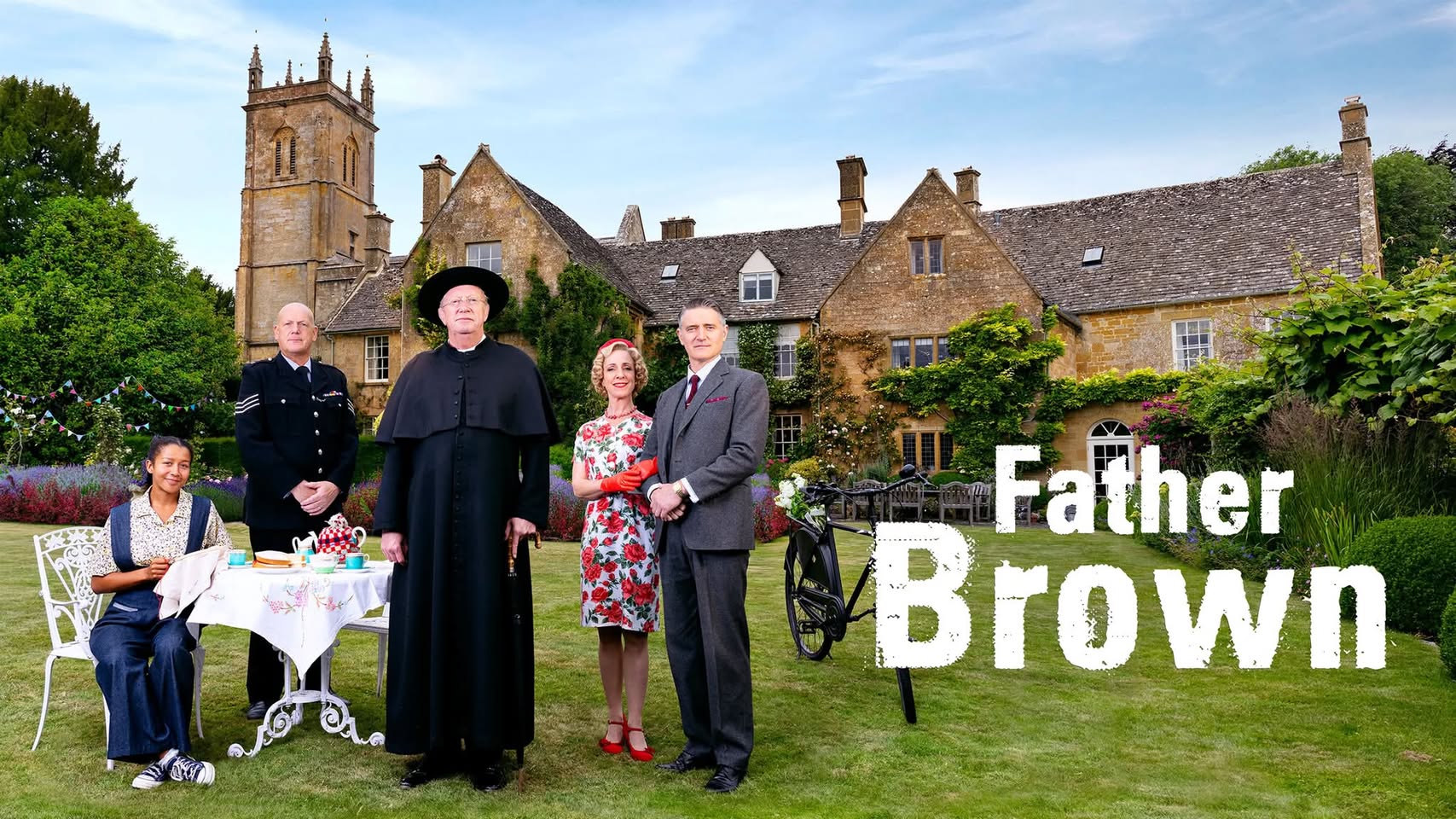
Father Brown was one of those shows I always saw in the options on streaming platforms, and never dipped my toe in. I thought it must be one of those innocuous Brit shows that offered pretty views of the UK countryside and an idyllic view of old village life. Harmless but dull. And then I noticed the stories were originally written by G.K. Chesterton. Chesterton was one of the big literary names and thinkers of the late-19th and early 20th century. That made me stop and think, why would Chesterton write detective stories, starring a dorky priest with an umbrella and a bike? The answer is another fascinating thing. Chesterton was living at the time Sherlock Holmes stories first appeared and became hugely popular. Detective fiction became a smash hit. He was a big fan of that fiction, at a time other writers had retreated into romanticism and navel-gazing introspection (escapism, narcissism). Detective stories dealt with all the messy reality of life, but more than that they offered a moral narrative of the possibility of both understanding and having some control over that messy life. They kept alive the passion for understanding what is good, and fighting what isn’t. But Chesterton was a giant, so it went beyond even that. Because he thought traditional detective stories treated crime like a board game, like puzzles to be solved. Chesterton saw crime as part of the wider human condition, and believed religions had evolved as easily the most in-depth tradition of understanding that condition. While walking with a friend who was a member of the clergy, recounting in general terms the sorts of horrors they’d hear in confessions and in dealing with their flock, he realised priests had the most in-depth exposure to the true breadth of human experience that it was possible to have. And so he made his detective a priest. Father Brown solves crimes not only by looking at clues, but by assessing the full human condition of the context of the crime. While police officers and others in the stories get distracted by puzzling clues, Brown knows who’s guilty simply by using an understanding of the humanity in play. He very often sits with an accused, talks for a while and says ‘ok, you’re not guilty’. That’s due to a sophisticated assessment of the person’s character and knowledge of how humans behave and feel and think, through years of hearing confessions and tending to people’s emotional and other needs. More broadly again, Chesterton saw crime as a rupture in the moral fabric of life. He wasn’t some moralist imposing rules, it was much more sophisticated than that. He saw morality as the measure of life functioning as it should, an entirely practical thing, something the scientific positivism of the time (and of our time) couldn’t understand. Religions evolved, like cities. They were the emergent product of what worked, to stop violence and crime and death. Later people projected human debates about the existence of God onto them, but they weren’t really about that. They were the operating system of how societies can work, sustainably, at that time. Father Brown was written to make that operating system visible.