29 January
29 January · 18:29 UTC
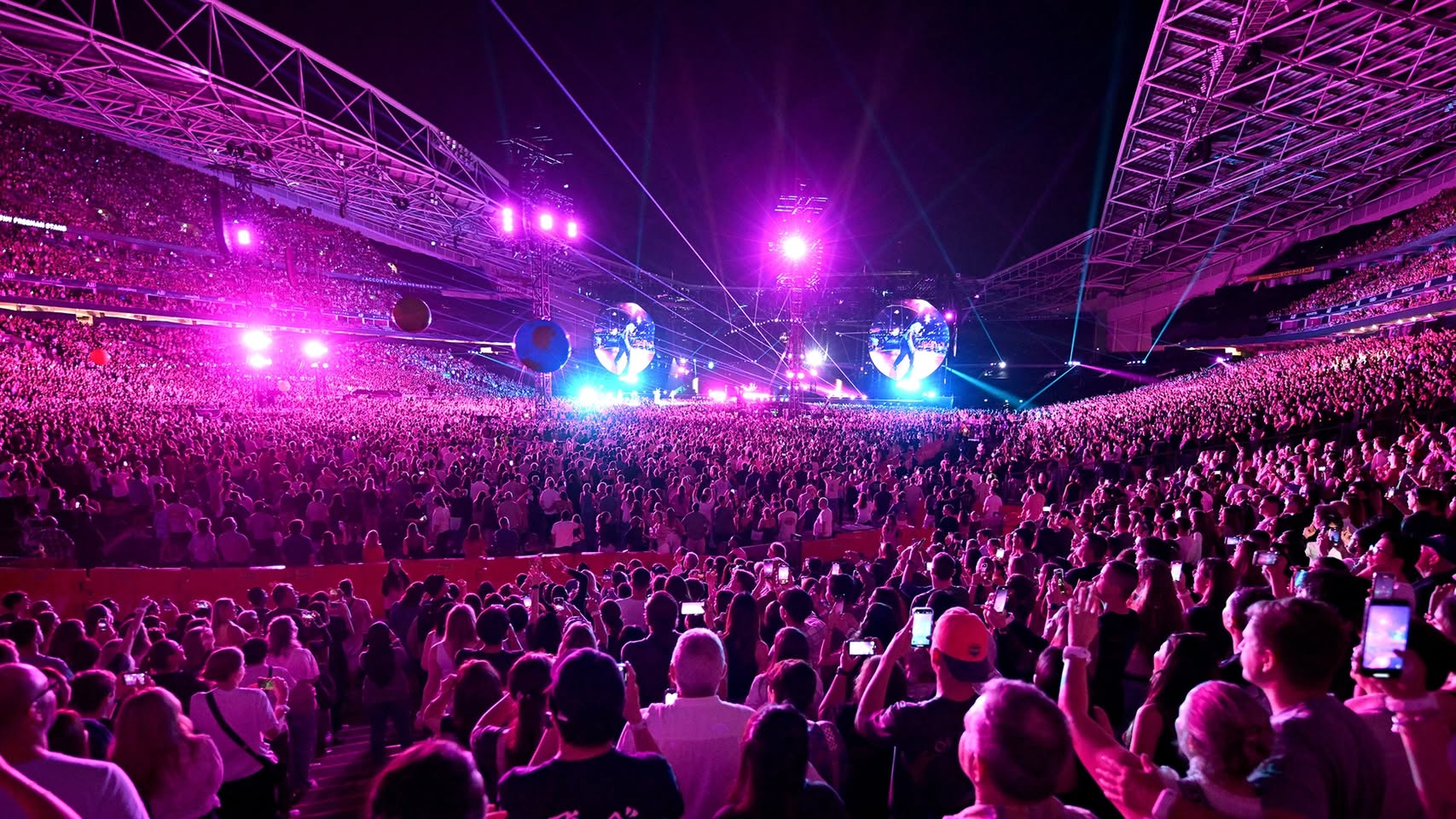
I talk a lot about imitation and imitative rivalry. Imitation (copying) is the centre of human life. Rivalry (Rene Girard studied this) comes because to imitate another person is one of the most hostile or aggressive things you can do. If somebody constantly mimics you, it will quickly seem a hostile act, like they’re mocking you. That’s because in some ways they’re capturing your identity, who you are. Just imagine somebody mimicking everything you do for even 10 minutes - you’ll want to punch them. Imitation becomes rivalry and dangerous when it’s between equals. When it’s not, such as when we imitate or emulate people of high status (experts, leaders etc.), imitation structures our societies, it provides the guide for how to think and act. But when we assemble huge crowds, and this loops back to gig culture I talk about, we create the conditions for intense rivalry, hostility and violence. Because crowds make everybody equal, and it’s imitation between equals that is lethal. I’ve seen people describe large gigs or other events as humans having some sort of numinous togetherness, an ancient thing. A load of bollocks, sorry. If you work on a large event like this, the very FIRST thing that is done is ‘crowd control’. Everything is done to prevent the crowd having the opportunity to form a crowd - queues, reserved seating, minimisation of dead times where the crowd could get bored and turn on itself for entertainment etc. It’s an entire science. You can even see the contrast between seating (more controlled) and standing (mosh pits as the most strong crowd). A mosh pit is a crowd unleashed, what all crowds would become without crowd control.