4 March
4 March · 20:53 UTC
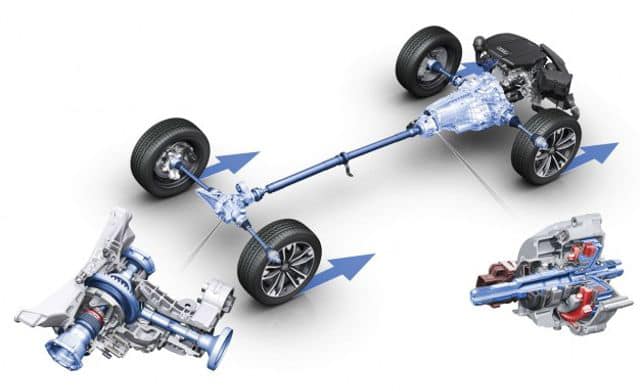
Torque vectoring is sophisticated engineering that varies the amount of torque (turning force) going to the wheels of a car, depending on conditions. This means the car gets optimum grip and drive, because unlike a standard car where the power or torque is applied to the front or rear axle, and then you just have to hope the wheels will have enough grip to meet the conditions you’re driving in, with torque vectoring each wheel can be powered a precise amount to meet the exact conditions it’s facing. (Each wheel in any car will have entirely different forces acting on it, even doing something basic like going around a corner.) AWD cars are an outcome of this technology, modulating the torque to each wheel according to its current condition on the road. 4WD is a much less sophisticated thing that just drives all 4 wheels simultaneously. This is another way though that EVs will change driving enormously. Torque vectoring on an EV is about 10,000 times faster than on an AWD. Instant response to conditions, because you don’t have to modulate the power through a drivetrain and clutch. This produces insane amounts of grip and stability. You’ll be able to corner faster than ever before, and with more safety and stability to boot. Off-road driving will be revolutionised, because all 4 wheels can be independently torque vectored, and 10,000 times faster than any AWD. In fact the distinction between on-road and off-road driving will probably disappear. All EVs can be masters at both.