25 November
25 November · 18:24 UTC
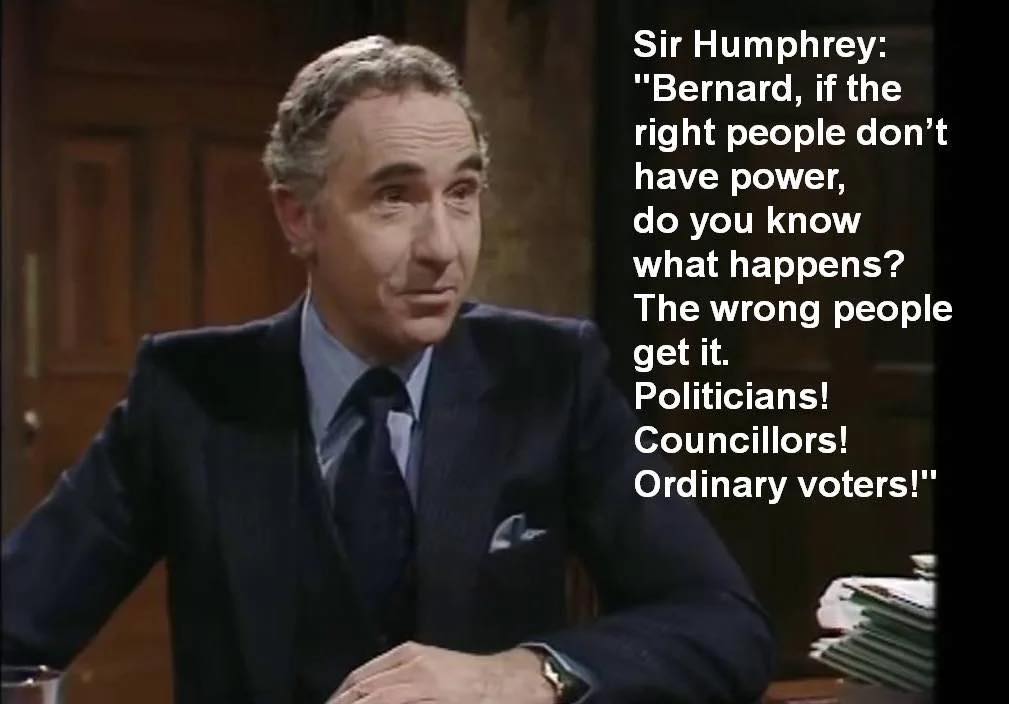
Yes Minister and Yes Prime Minister are masterpieces, but are also terribly understood in what they show. Humphrey is almost universally understood through a modern American lens, as ‘red tape’ bureaucratic obstruction. This fundamentally misunderstands the character, and what the show is about. The English, of all modern democracies, are unique in operating still strongly via custom and tradition. The UK has no written constitution. Humphrey’s inertia IS that custom and tradition, operating on the crazy whims of politicians and the public in the present. Resisting fads and fashions, in favour of long-term stability. Stability is Humphrey’s god, and the key to the historical relative peace and pragmatism of UK life. Other nations like the US and France, and China and Russia, come from revolutionary backgrounds. After their revolutions, social chaos reigned, so they quickly installed universalist creeds, like declarations of independence and liberties. Enshrined in written constitutions, which become like their Old Testament and its universalist commandments. The universalism was the urgent attempt to contain social disorder, with universal principles. The revolutionary nations operate under continuous debate and contestation, around the universalist principles. Unlike the calm, multi-generational customs and traditions that guide UK life. Revolutionary nations are unstable, seeking the stability that only custom and tradition can provide, and which only evolves over centuries or even millennia. I would say most would be horrified by the ‘anti-democratic’ quote by Humphrey in the meme. But his view there is much more profoundly democratic than the feverish gibberish we get from post-revolution nations, with their endless and repeated revolutions in the name of ‘the people’.