30 June
30 June · 20:30 UTC
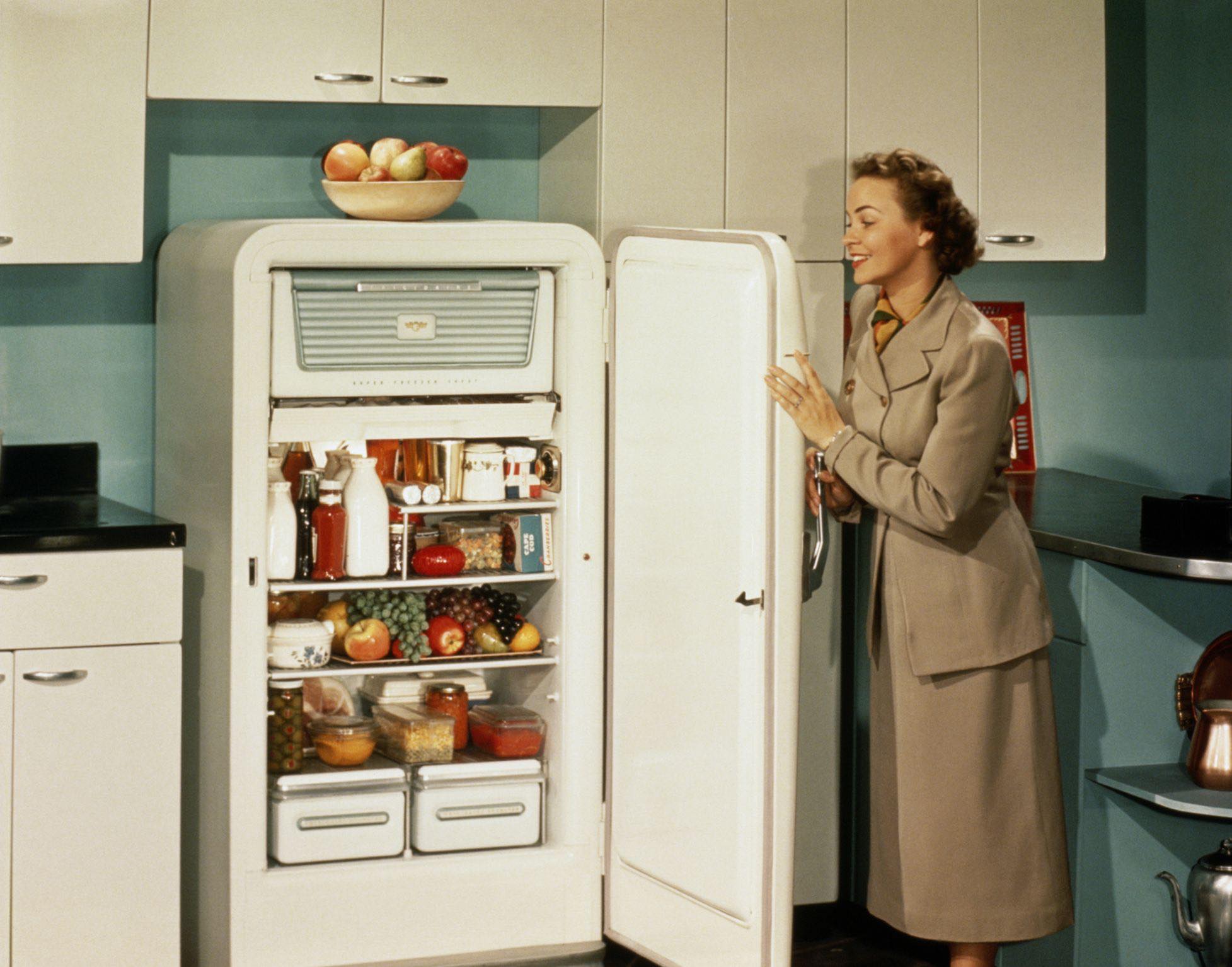
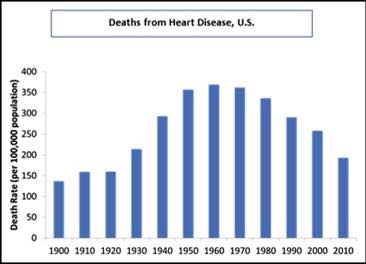
Very few people died of heart disease before the 20th century. And then quite suddenly, nearly everybody did. See the graph. Medicine has no idea why, it usually says fat and salt are to blame, even though we ate even more of both of those before the 20th century. There’s a possible simple explanation. Refrigerators. They became widespread from the 1930s, and that’s exactly when heart disease took off. Before fridges, we often preserved food using fermentation. We were eating shed loads of good microbes. Then we stopped, because of fridges. Suddenly our guts and bodies had this much more impoverished environment, with very few microbes, which allowed the nasty ones free reign. Heart disease is likely a chronic infection, that’s why it took off so fast and started to kill so many. Fridges were a big part of that, I’d wager.