25 June
25 June · 00:44 UTC
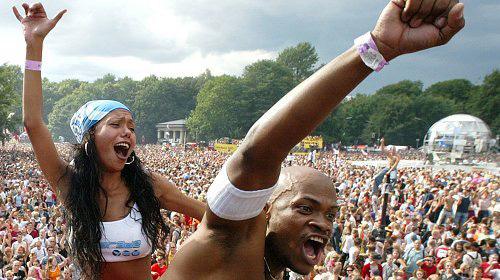
I think the single most dangerous belief humans have is that their desire to form groups and crowds is benign. That it's a warm and cuddly desire to connect and be together. Let's talk about Love Parade 2010. In reality humans form groups for the same reason some animals do. For protection. Being part of a group makes them feel more secure and safe. In the animal kingdom most animals are solitary. But animals with weaker defences tend to form flocks or herds, to help defend themselves. Membership of a group happens through imitative behaviour, to identify members and distinguish them from those outside the group. Flocks of birds, herds of cows and sheep, schools of fish, human crowds, etc. It makes people feel safe and secure, which is why they also look happy. The glue that holds the crowd together is rivalry, rivalry for membership of the group and position within it. Not always obvious, when the crowd is well managed i.e. the level of imitation is controlled. Then it just looks like everybody is there to have a good time. Love Parade as a music festival was shut down after 2010. No bad eggs ruined it, everybody was full of peace and love. But the dynamics of the crowd crushed 21 of them to death, and injured more than 500 others. The rivalry between people generates panic in the right situation, and they will literally trample each other to death to escape the crowd. In this case many died of 'compressive asphyxia' i.e. they were suffocated where they stood, through pressure from the people around them. People will say this was an exception. And it is, mostly this doesn't happen. But not because crowds are benign, but because professional event organisers implement a large range of 'crowd control' measures. You don't need to control peace and love. But you do have to control imitative rivalry. That's where all groups of people come from, imitative rivalry. All groups and all crowds are dangerous, unless controlled. Sociality is violence.