29 March
29 March · 18:43 UTC
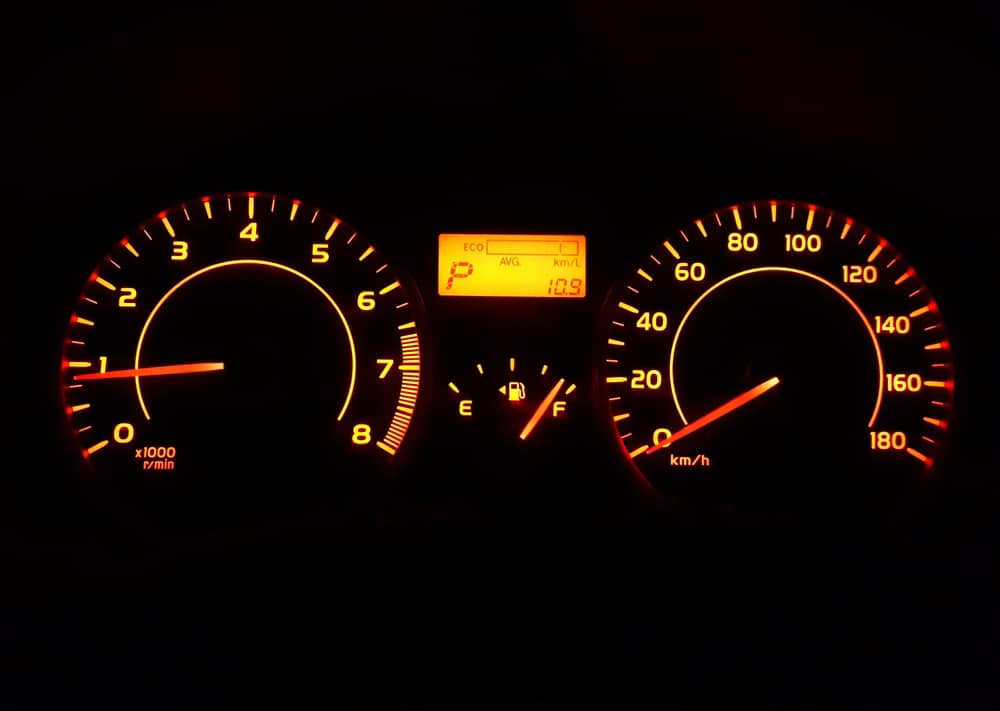
A nice way to see the inefficiency of combustion engines is idling. An engine will easily do 1000 rpm while sitting at a red light, idling. The pistons in your engine are going up and down 17 times per *second*, while you sit there not even moving. But it gets even funnier, because technically the speed of that rotating crankshaft at 1000 rpm if translated directly to your wheels, would make you go about 120 km/h, if the transmission hadn’t decoupled the engine from the wheels when you stopped. But the car is just sitting there. The engine is competely gutless, at those revs. It has no power, even though the pistons are going up and down like mad, faster than your eye could track them. Why we need gears, like you do on a bike going up a hill. Try heading off from a red light in 3rd or 4th gear. The engine stalls, because it has nowhere near enough power to get you moving. Using an EV or hybrid though is entirely different. Electric motors give you maximum torque from 0 rpm. I sit at traffic lights listening to the cars around me idling, their cylinders flying up and down 17 times a second, chugging through fuel, and going nowhere. My car is competely silent, no motor is running. Then when the light goes green, the electric motors kick in and give me instant torque, pushing me back hard in my seat. While the cars around me rev like mad up through the gears, to get to the revs they need to produce any power. At the number of revs that gives combustion engines peak power, around 4000 rpm or above, if the crankshaft/pistons were connected to wheels directly, it would produce a speed of over 800 km/h. That’s how fast those pistons and crankshaft are spinning. But the engine is not producing anywhere near that much power, which is why you need a gearbox (transmission), to again stop you stalling, at those higher revs.