15 October
15 October · 09:06 UTC
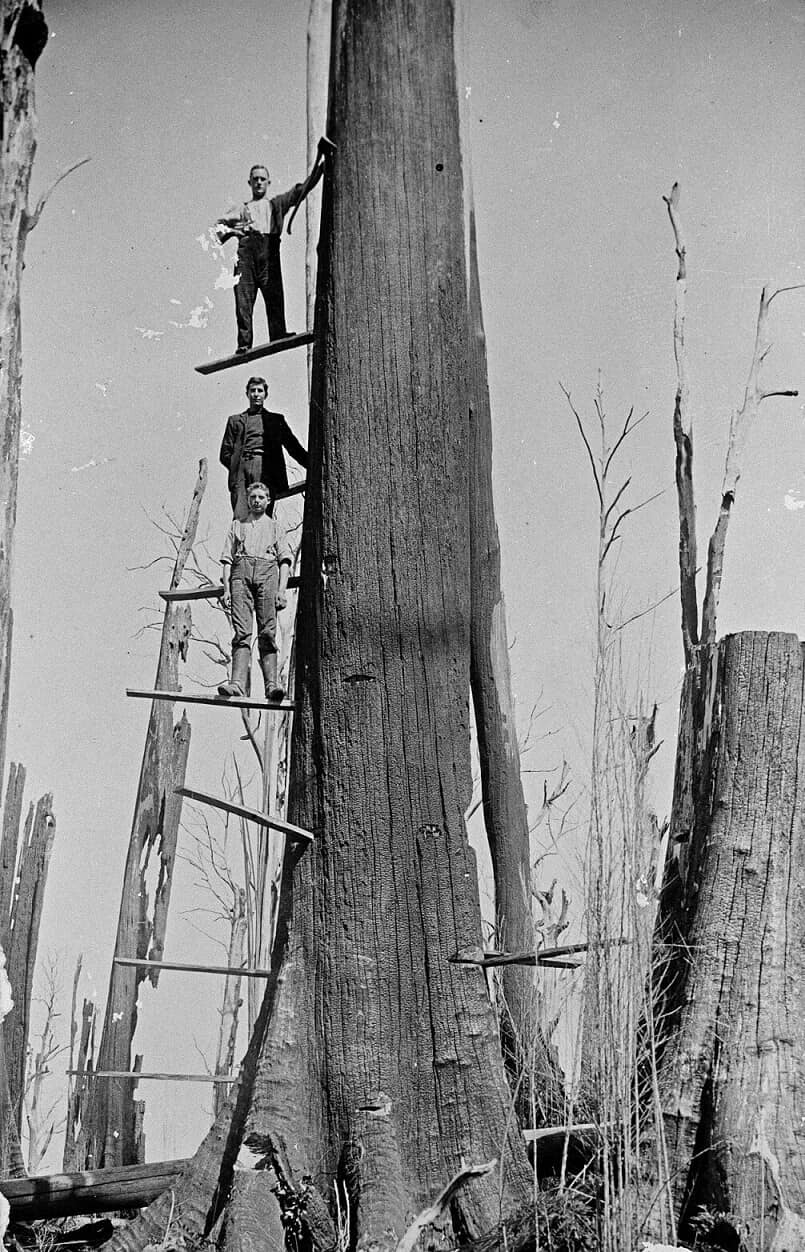
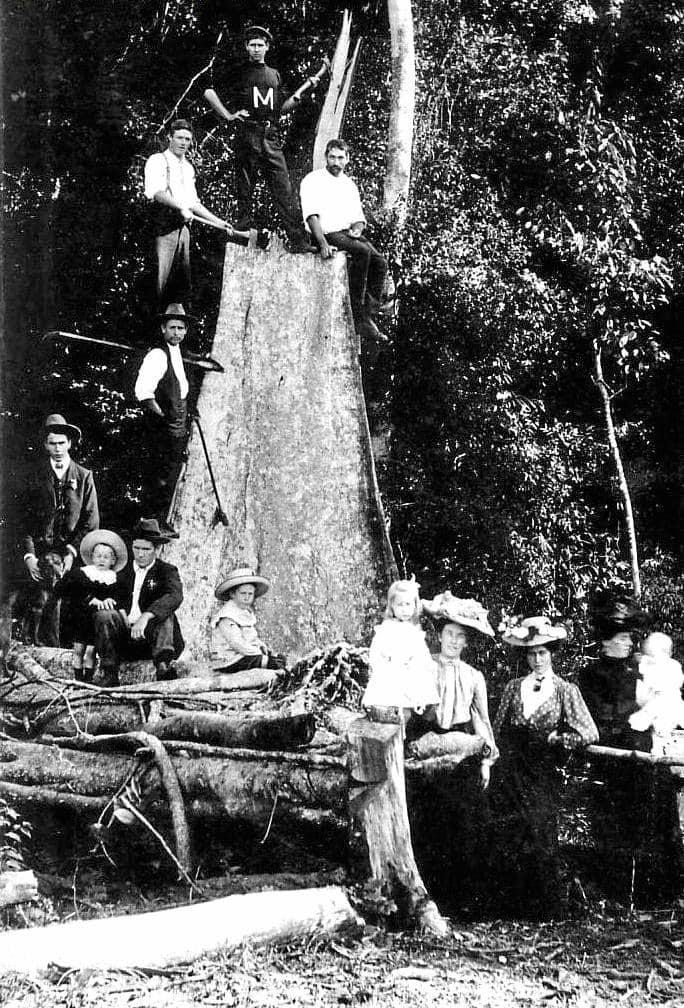
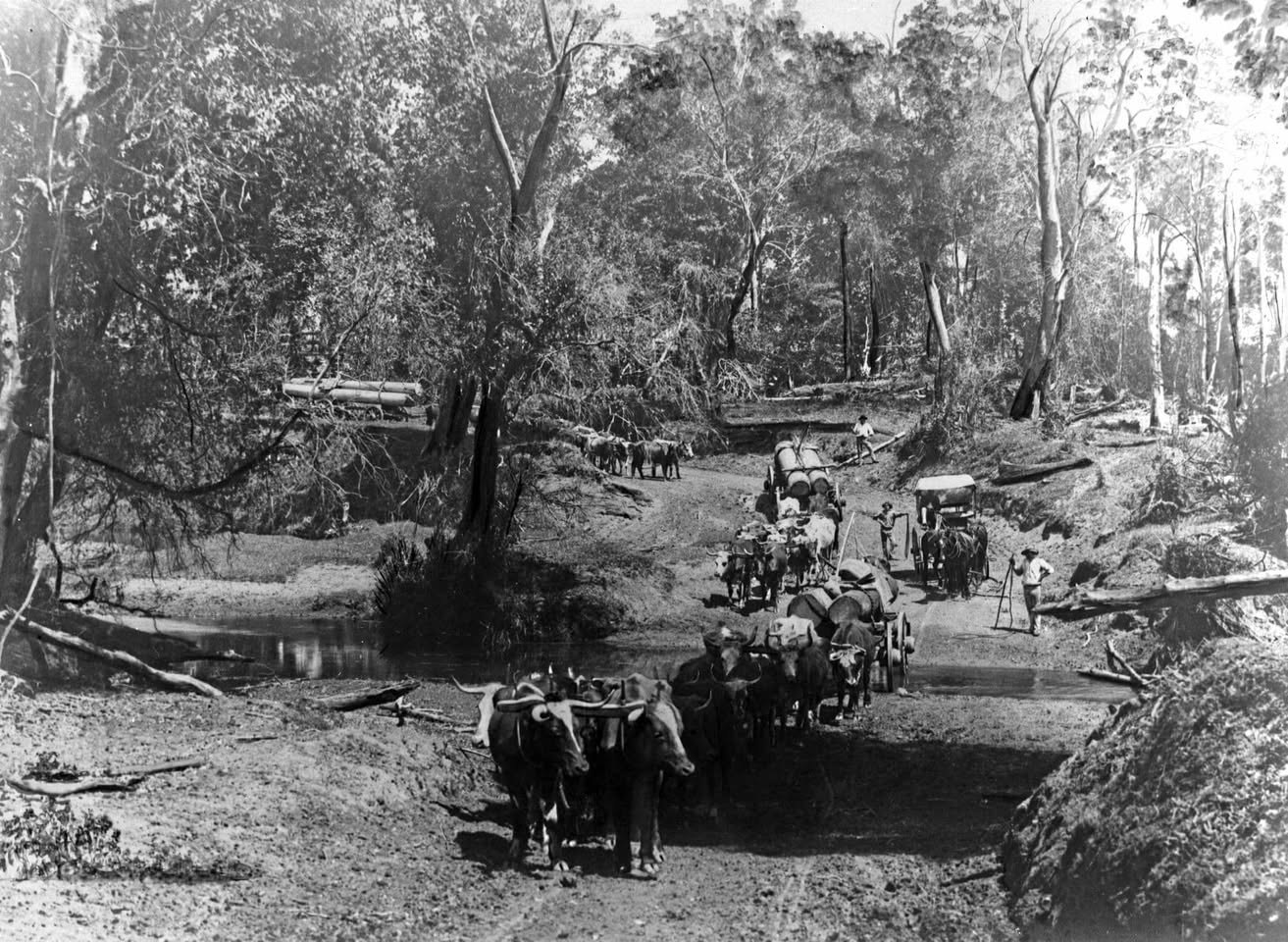
The late-18th century was when the First Fleet arrived. But it was the 19th century when the wider settlement of Australia happened, a history only now starting to be really told. It was an uncontrolled expansion into the inland to take land and exploit it for riches. The Brits lost control of this rush. Like the timber-fellers, who plundered most native forests in search of red cedar (really a mahogany). Most of it was gone before 1880. Nearly 90% of what was felled was wasted, left to rot in the forest, far too heavy for them to move even with bullocks. To give a sense of the numbers, Melbourne households burned up to 450,000 tonnes of firewood per year. Timber was also used for building, including ships. This is the settlement history of Australia, a permanent gold rush of get-rich-quick schemes, most of which failed. The destruction was almost total. Much of the work was done by Aborigines, as slaves. Labour hire slaves still do much of the work in inland Australia today. Farming, mining, forestry. Extractive industries. Most Australians don’t live inland, then or now. It’s a place we plunder, still clawing each other’s eyes out to acquire ‘real estate‘, grow cash crops, cut and sell timber, look for gold and minerals. The brutal frontier ethos survives, settler culture is still rampant, particularly in Queensland. The sugar cane crops that have polluted the Great Barrier Reef for decades began in these settler times, more get-rich-quick, copied from earlier Brit colonialism in the West Indies.