2 September
2 September · 20:16 UTC
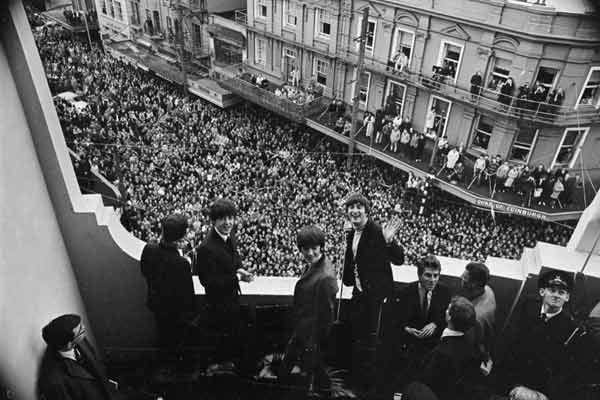
Is our taste in music ‘purely subjective’? Researchers tested this in the early 2000s. They set up a music market of unknown songs and got about 15,000 students to rate them in one of two ways. The first got to rate them purely individually, while the second got to see what others’ preferences were before making their choice. What did they find? Two fundamental things. Firstly, that the group who got to see what others were ‘liking’ overwhelmingly converged upon a handful of artists. Those artists became the Beatlemania of the market. In technical terms, it created an information cascade, where people mass-imitated one another. Beatlemania was an information cascade. Secondly, they found that which songs became popular was separated entirely from any objective measure of quality, in the ‘social’ group. The artists people liked were the artists other people liked. That was the only criterion. Allow people to socialise, and they will always do two things. Mass-imitate one another, and form enormously unequal status hierarchies, with a tiny number of people at the top. That’s our social media world today. Notice how many touring artists now generate a mania (i.e. information cascade)? Taylor Swift, Dire Straits and ABBA years ago, Pink etc. etc. We flock to them in our millions. Our taste in things is mostly our desire to be part of a social group, even though it will feel the most subjective individual thing. Watch mass concerts (or mass anything), how many are actually listening. Most are there to be part of the crowd, of the imitative information cascade.